
Summary
- European data centres already account for around 3% of electricity demand, according to the IMF analysis reported by Reuters.
- Frankfurt, London, Amsterdam, Paris, and Dublin are among the markets where additional AI-related load could intensify grid constraints.
- The IMF is calling for stronger cross-border energy infrastructure alongside measures intended to spread the economic gains from AI.
The International Monetary Fund has warned that rapid artificial intelligence adoption could put additional strain on European electricity networks, with the continent’s largest data centre clusters already accounting for a material share of power demand.
An IMF paper prepared for European Union finance ministers said AI could lift European productivity by around 1% over five years, but identified electricity infrastructure as one of the physical constraints that could determine how evenly those gains are distributed.
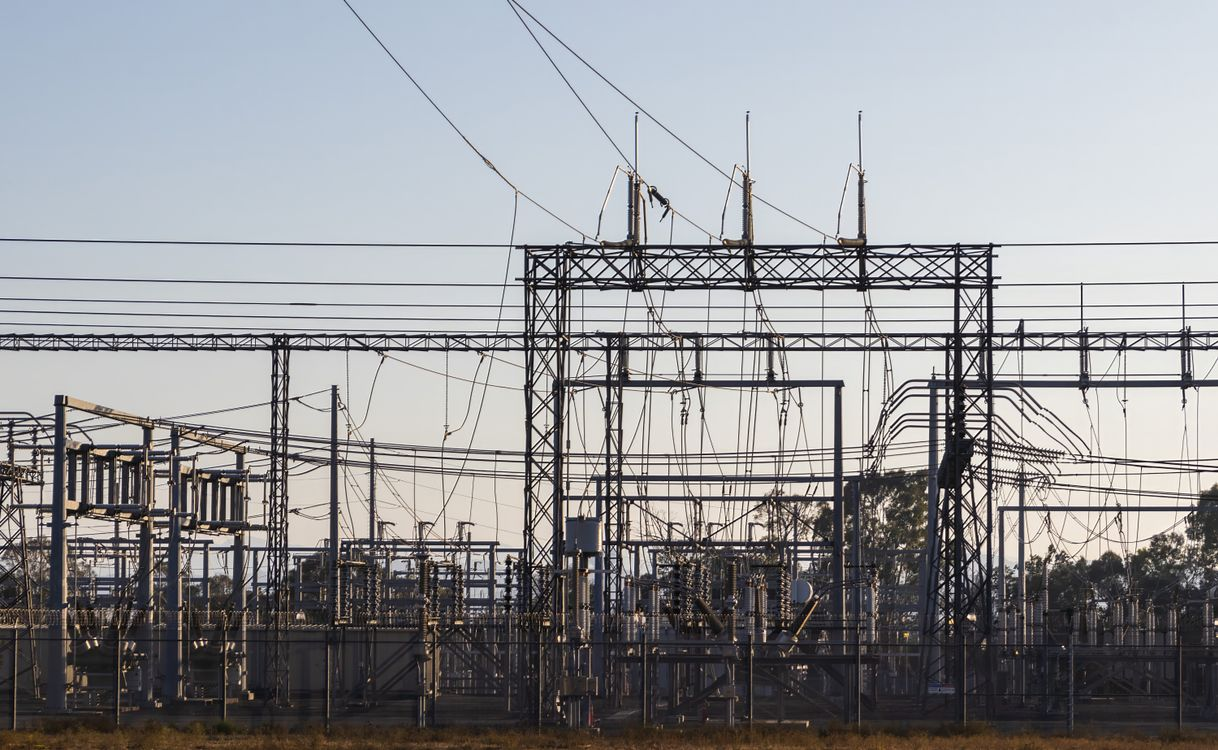
Data centres already consume around 3% of European electricity, according to the analysis reported by Reuters, with concentrated demand in established infrastructure markets including Frankfurt, London, Amsterdam, Paris, and Dublin. Further deployment of high-density AI computing is expected to increase the load placed on grids that in several markets are already struggling to accommodate new large connections.
The IMF is arguing for greater investment in cross-border energy infrastructure as part of a wider package intended to deepen the European single market and reduce differences in AI adoption between countries.
The warning puts electricity networks alongside labour skills, access to capital, and dependence on foreign technology as constraints on European AI development. Around 60% of workers in advanced European economies are in occupations considered highly exposed to AI, according to the fund, while the gains from adoption are likely to differ according to countries’ existing digital and physical infrastructure.
The power constraint is particularly visible in the data centre sector because new AI campuses can require electricity connections measured in hundreds of megawatts rather than the tens of megawatts associated with many earlier developments. Connection availability can therefore determine where capacity is built long before servers arrive on site.
That pressure has already begun to push European development away from the most established metropolitan clusters. Developers are increasingly evaluating secondary and tertiary markets where power, land, and planning capacity can be secured more quickly, even where those locations are farther from traditional enterprise and connectivity hubs.
The IMF has previously identified energy and grid capacity as potential limits on the economic gains from AI. Its earlier research found that the effect of data centre expansion on electricity prices and emissions depends heavily on the pace at which generation and transmission infrastructure can be added.
The latest intervention broadens that concern from individual power markets to European economic policy. A data centre may be a private investment, but much of the infrastructure required to serve a large new load sits within regulated electricity systems where transmission reinforcement, generation additions, and connection rules affect other users.
That creates a sequencing problem for European governments. Policies designed to accelerate AI investment can produce little physical capacity if planning approval runs ahead of grid reinforcement, while network investment made against speculative demand carries its own cost and allocation risks.
Europe’s established data centre hubs illustrate the problem. London and Frankfurt remain large markets because of their concentration of customers, fibre routes, cloud regions, and skilled labour, but neither customer proximity nor land ownership creates electricity capacity. Dublin and Amsterdam have also shown how infrastructure pressure can bring new scrutiny to large developments.
The IMF’s emphasis on cross-border infrastructure also reflects a broader mismatch between digital demand and national energy systems. AI workloads may be commercially mobile, but transmission networks, substations, generation fleets, and planning systems remain geographically fixed and slow to expand.
Europe is therefore likely to see greater competition between locations able to combine available electricity with credible development timelines. The economics of AI may remain dominated by chips and computing performance, but the rate at which new European capacity can be delivered will increasingly depend on substations, network investment, and the rules governing access to them.

