
Summary
- LG's new air-cooled centrifugal chiller is available from 480 to 600 refrigeration tons per unit.
- The system uses an oil-free magnetic-bearing compressor and refrigerant free cooling.
- LG claims energy savings of up to 30%, based on its own simulation rather than independently verified operating data.
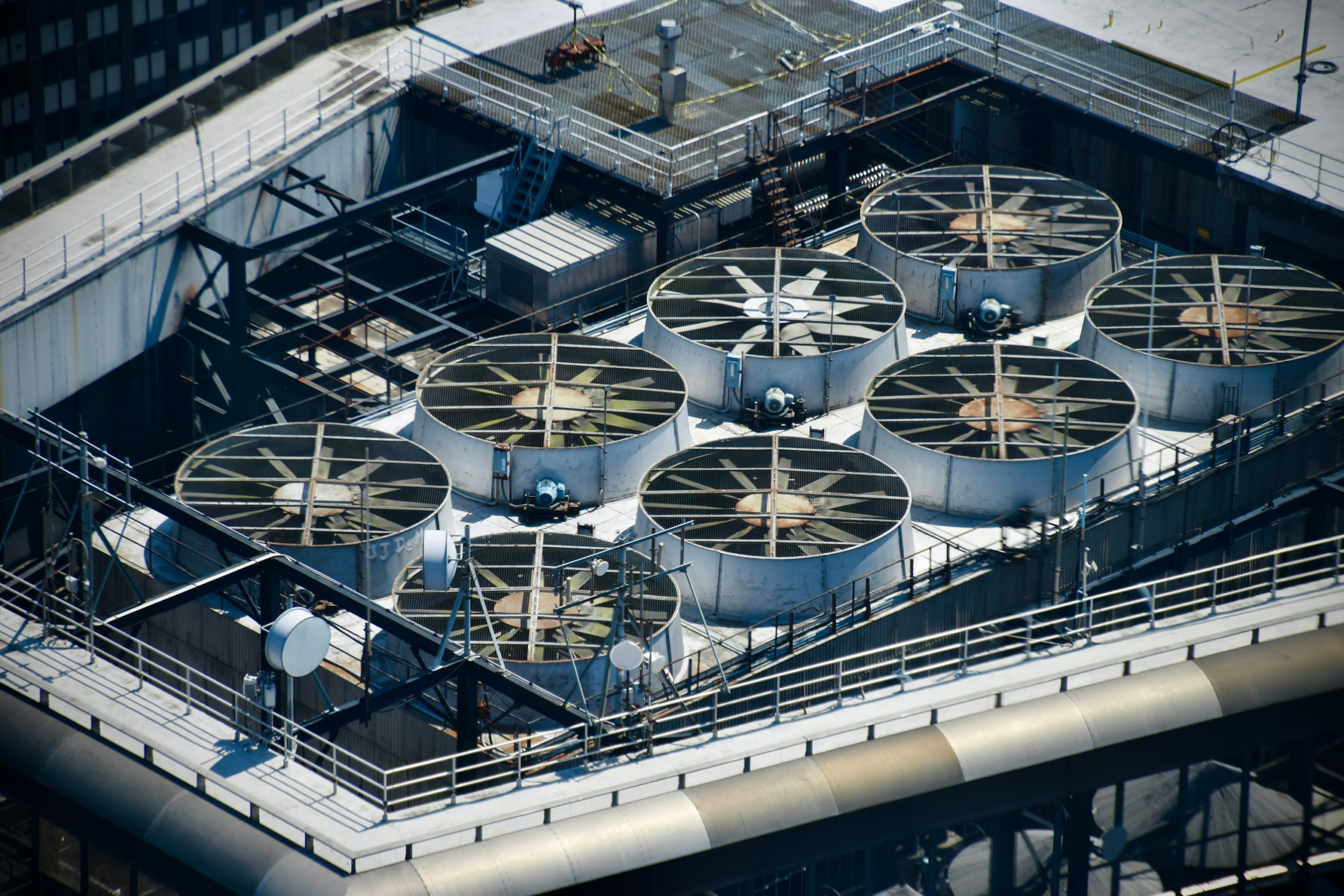
LG Electronics has launched an air-cooled centrifugal chiller for AI data centres using an oil-free magnetic-bearing compressor and refrigerant free cooling as suppliers adapt central cooling plant to higher-density computing.
The new system is available in capacities from 480 to 600 refrigeration tons per unit. Its compressor uses magnetic force to suspend the rotating shaft without conventional physical bearings, removing the need for lubricating oil within the compressor mechanism.
That design can reduce mechanical friction and remove maintenance associated with the lubrication system, although actual lifecycle performance will depend on the operating conditions and wider plant design.
LG has paired the compressor with a refrigerant free-cooling arrangement. When outdoor conditions permit, refrigerant can circulate without relying on normal compressor operation, reducing the amount of mechanical cooling required.
The company claims the system can use up to 30% less annual energy than traditional free-cooling configurations that use an intermediate liquid loop. The figure comes from LG’s own simulation and should not be treated as independently verified field performance.
Climate, load profile, chilled-water temperatures, control strategy, and operating hours can all materially change the amount of useful free cooling available at a particular data centre.
The launch reflects how AI hardware is changing the role of central cooling plant. Direct-to-chip cooling removes heat much closer to processors, but that heat still has to travel through coolant distribution units, facility water systems, and ultimately heat-rejection equipment.
Higher coolant temperatures can improve the opportunity for compressor-free operation in some climates. They can also change chiller selection and the balance between chillers, dry coolers, and other heat-rejection technologies.
This means liquid cooling at the rack does not remove the need for efficient infrastructure outside the data hall. As rack densities rise, central mechanical systems have to handle larger total heat loads while preserving redundancy and maintainability.
LG is also developing modular hydronic infrastructure intended to combine components such as pumps and thermal storage into prefabricated packages. Factory assembly can reduce work on site, although those systems still need to be integrated with controls, electrical systems, and the wider cooling network.
Prefabrication is becoming increasingly common as data centre developers try to compress construction schedules while dealing with limited engineering and commissioning resources.
The new chiller is being positioned globally rather than against a specific European project. Its compliance with European requirements gives it a potential route into the regional market, but LG has not announced a European data centre deployment for the product.
The technology is therefore best treated as another indication of how the cooling supply chain is changing around AI density. The useful comparison will come when operating data from live facilities shows how much of the advertised energy saving can be reproduced under real European conditions.

