
Summary
- Scantinel has introduced an external laser small-form-factor pluggable module for co-packaged optics.
- The module uses the core photonic platform behind Scantinel's FMCW lidar architecture.
- MicroVision is discussing licensing and development partnerships; no volume data-centre deployment has been announced.
MicroVision has moved photonics technology developed by its Scantinel subsidiary into AI data centre networking with an external laser small-form-factor pluggable module for co-packaged optics.
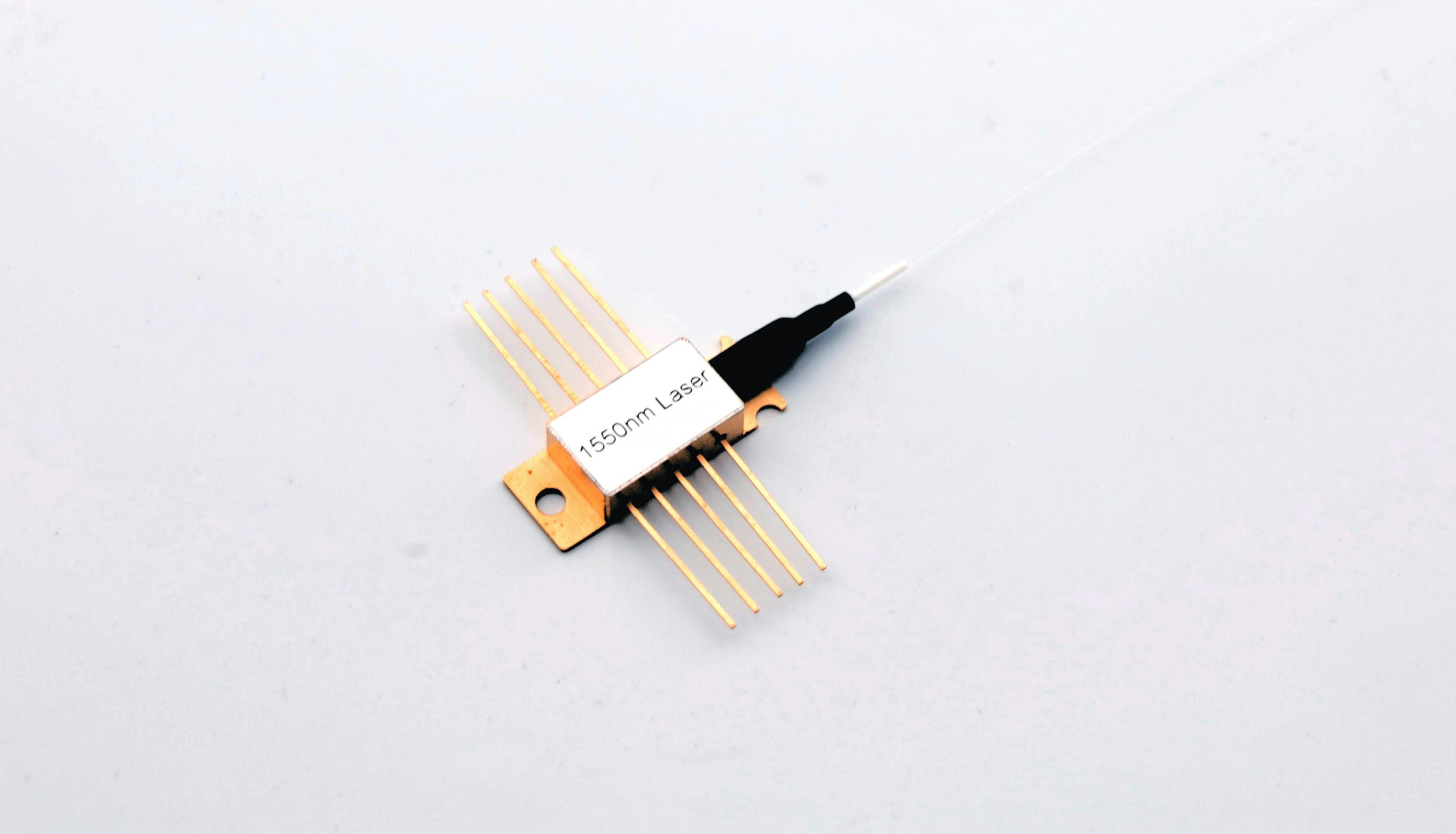
The ELSFP module was introduced during the European Conference on Optical Communication in Málaga and is intended to provide a centralised, serviceable light source for co-packaged optical systems.
MicroVision says the module uses the same core photonic integrated circuit platform developed for Scantinel’s frequency-modulated continuous-wave lidar architecture.
The move takes technology originally developed for sensing into one of the harder physical problems around AI infrastructure: moving increasing volumes of data between processors, servers, racks, and switches without allowing interconnect power and bandwidth to constrain the compute cluster.
Traditional pluggable optics place optical modules at the front of a switch. As speeds increase, the electrical connection between the switch silicon and optical module becomes harder to manage because of signal loss and power consumption.
Co-packaged optics brings the optical conversion closer to the switching silicon. External laser modules can then provide light to those optical engines while remaining accessible for servicing rather than placing every laser permanently inside the package.
MicroVision says Scantinel’s architecture is intended to centralise and optimise the laser source. Claims around improved power efficiency and economics remain company assertions until the design is qualified in production systems.
No hyperscale deployment has been announced. MicroVision says it is in discussions with potential licensees and development partners as it considers routes to commercialisation.
That gap between introduction and deployment is important. Optical components used inside large AI networks have to pass demanding qualification around reliability, temperature, signal performance, manufacturing consistency, and interoperability.
The infrastructure opportunity is nevertheless substantial. AI clusters are increasing traffic between accelerators much faster than conventional server workloads, forcing switch and optical suppliers to push towards higher bandwidth per lane and greater faceplate density.
Networking can therefore become a facility problem as well as an IT problem. Higher-capacity switch systems consume more power and create additional heat inside already dense rows of compute equipment.
ECOC’s expanding focus on AI interconnects reflects that convergence between photonics and data centre engineering. Optical components that once sat primarily within telecom networks are becoming integral to short-reach links inside large computing clusters.
MicroVision now has to demonstrate that its lidar-derived photonics technology can meet those requirements at commercial scale. A licensing agreement, qualification programme, or named data centre deployment would mark the next substantial step beyond the product introduction.

