
Summary
- NCC and ASP DC Pori have agreed a SEK260 million programme of preparatory construction works in western Finland.
- The contract covers earthworks, foundation engineering, piling, excavation, and construction access roads.
- Preliminary works are scheduled for completion in spring 2027, with the main facility construction and eventual computing capacity unconfirmed.
NCC has secured a contract worth approximately SEK260 million for preliminary construction works at Pori Copper Industrial Park in western Finland, advancing a proposed data centre development without yet committing the full facility to construction.
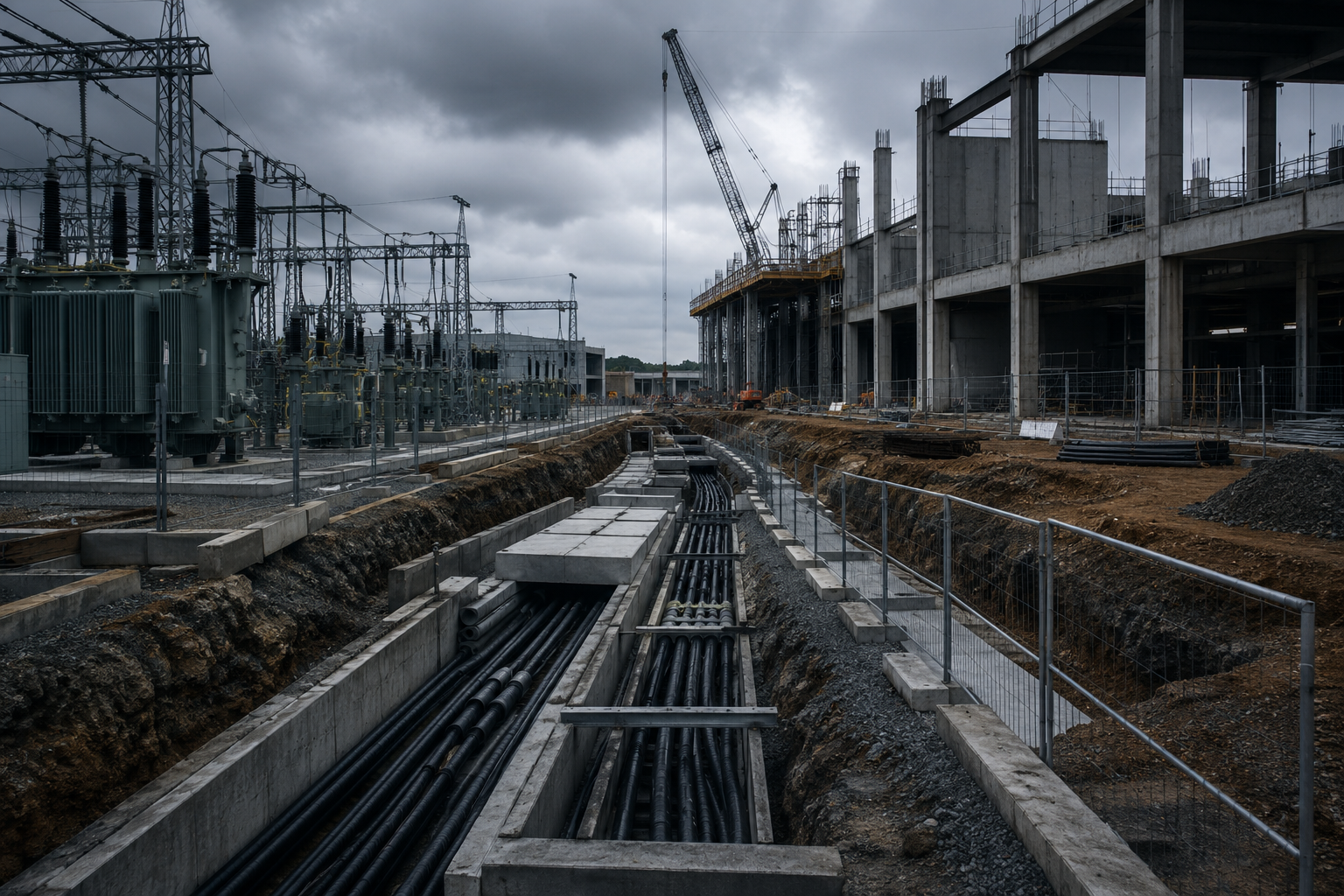
The agreement with ASP DC Pori covers earthworks, foundation engineering, piling, the removal of excavated material, and the construction of roads for site traffic. NCC expects the work to begin in autumn 2026 and finish in spring 2027.
Its contract will be recorded in the Building Nordics business area during the fourth quarter of 2026. NCC has been involved in developing the project for an extended period, working with the various project owners before the latest construction agreement was signed.
Construction of the data centre buildings themselves will follow a separate process. NCC has not disclosed an agreed contract for that phase, the planned IT load, the site’s electrical connection capacity, or an anticipated date for commercial operation.
The distinction is substantial. Preparatory engineering can represent a significant construction commitment while leaving decisions about the eventual buildings and technical infrastructure outstanding. The SEK260 million contract therefore establishes the value of NCC’s defined civil engineering works, not the total cost of the proposed data centre.
At an industrial location such as Pori Copper Industrial Park, foundation and excavation work must be designed around the structures that will eventually occupy the site. The specified contract indicates that the development has progressed to physical preparation, although it does not establish the condition or suitability of every existing utility connection.
Foundations before computing capacity
Data centres require foundations capable of supporting buildings containing substantial electrical, mechanical, and computing equipment. Structural loads, plant locations, service corridors, and the arrangement of access routes influence the early engineering design, even where the exact equipment specification remains commercially confidential.
Piling provides a way of transferring structural loads into suitable ground conditions where the foundation design requires it. Excavation and removal of material prepare the site for subsequent works, while construction roads provide access for heavy machinery, materials, and the large equipment that can be needed during later installation phases.
The works have to be coordinated with the intended building layout. Changes to the location of technical plant or structural elements after foundations are completed can introduce additional engineering work, cost, and programme disruption. NCC’s earlier involvement in project development may provide continuity between design decisions and their execution on site.
Nevertheless, the scope disclosed on 4 November does not identify the intended cooling system, electrical distribution arrangement, or building configuration. There is consequently no evidence for assigning a particular rack density or computing capacity to the proposed facility.
Those specifications affect more than the equipment installed inside a data hall. Higher electrical loads can require substantial distribution infrastructure, while the cooling system determines the space, pipework, water arrangements, and plant needed to reject heat generated by computing equipment.
The relationship between a completed building and usable computing capacity is therefore not automatic. Even after the structure is ready, operators require electricity, network connectivity, functioning mechanical systems, operational controls, and commissioning before customers can use the facility.
Industrial land and project delivery
Finland continues to attract data centre development interest, including at existing industrial locations. Such sites may offer established transport access and utility corridors, but an industrial history does not guarantee that a proposed data centre can obtain the electricity capacity or resilience it requires.
Grid access remains a separate project requirement. The capacity available to an existing industrial customer may differ from that required by a modern computing installation, particularly if a developer intends to operate large numbers of high-density servers or accelerators.
Site preparation can also proceed before all commercial decisions about a development have been finalised. Developers may undertake early engineering to establish a buildable site while arrangements for later construction, technical fit-out, financing, and customer occupation continue.
Catarina Molén-Runnäs, Head of NCC Building Nordics, said the agreement followed the company’s extended involvement in developing the project and represented progress towards realising the Pori facility.
NCC’s immediate responsibility is the contracted preparatory programme through spring 2027. Subsequent milestones will depend on the separate construction process and the disclosure of the electrical, technical, and commercial arrangements needed to turn the prepared industrial site into an operating data centre.

