
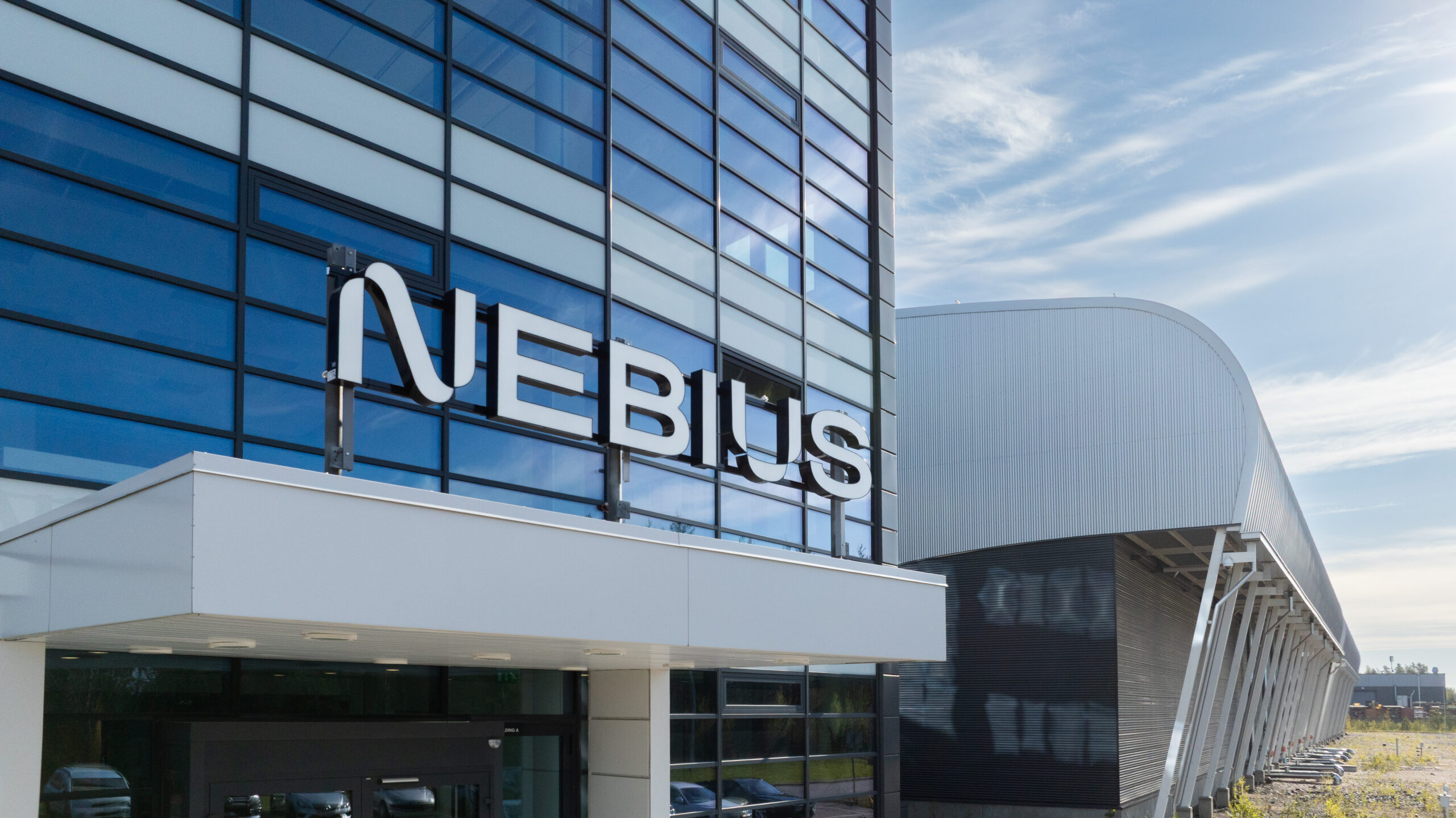
Summary
- The senior secured facility matures in October 2030 and is priced at SOFR plus 2.5 percentage points.
- Installed GPU infrastructure and revenue from an investment grade customer support the debt.
- Repayment depends on the complete operating chain around the hardware, including power, cooling, networking, uptime, and customer performance.
Nebius has raised approximately $775 million through its first senior secured debt facility, using deployed GPU infrastructure and contracted revenue from an investment grade customer to support further AI capacity growth.
The facility matures on 31 October 2030 and carries interest at the Secured Overnight Financing Rate plus 2.5 percentage points. Nebius says the debt and cash flow from the underlying customer agreement cover more than the capital expenditure required for the financed GPU deployment.
MUFG acted as structuring agent, sole bookrunner, and underwriter. ABN Amro, Bank of America, Deutsche Bank, and HSBC joined as mandated lead arrangers, while Citi, Crédit Agricole CIB, ING, Morgan Stanley, Goldman Sachs, and other institutions participated in the syndicate.
The customer contract is already in service, allowing the proceeds to fund capacity for other AI and enterprise customers rather than only reimbursing the original hardware purchase. Nebius says the financing was significantly oversubscribed.
Compute joins the infrastructure debt market
Conventional data centre finance is commonly secured against land, buildings, long leases, and contracted colocation income. GPU debt requires lenders to assess equipment that is expensive, mobile, and exposed to a faster technology cycle than the physical facility containing it.
Accelerators can produce substantial revenue while utilisation remains high and the hardware remains competitive, but their residual value can decline quickly when newer systems enter the market. The strength of the customer contract therefore carries more weight than the potential resale value of the equipment alone.
Nebius has linked the deployed hardware to cash flow from a customer with investment grade credit. That structure gives lenders a defined repayment source and reduces exposure to capacity sold through short, variable commitments.
Asset level borrowing can also reduce the amount of corporate equity needed for each deployment. The approach allows a provider to recycle capital from an operating cluster into additional capacity, provided customer contracts are long enough and strong enough to support the debt term.
Nebius says it has more than $40 billion of additional contracted revenue from investment grade customers including Microsoft and Meta and expects similar structures to support future deployments. Each financing will still depend on the customer, jurisdiction, hardware, site, and contractual protections involved.
The collateral cannot operate alone
Although the GPUs support the security package, their revenue depends on a wider physical system. Electrical distribution, cooling, network fabric, storage, controls, firmware, maintenance, and facility uptime determine whether the equipment remains available for contracted use.
A failure in a relatively low value component can strand a much larger compute investment. A coolant leak, switchgear fault, network outage, controls error, or delayed replacement part may interrupt the revenue used to repay the loan even when the accelerators themselves remain undamaged.
Lenders assessing future transactions are therefore likely to examine facility redundancy, utility power, cooling architecture, spare parts, maintenance, insurance, cyber controls, and the ability to relocate or replace equipment. Contractual service credits and termination rights will also affect how much interruption the financing can tolerate.
Customer concentration presents another tension. A large agreement improves immediate bankability, yet it can leave the debt dependent on one counterparty’s continued performance and renewal decisions. The contract must allocate responsibility for hardware refresh, service levels, capacity expansion, and changes in technical specification.
The maturity date extends across several likely accelerator generations. Nebius will need to keep the financed equipment commercially useful while customers increasingly ask for newer processors, higher memory capacity, faster networks, and more efficient systems.
Hardware refresh can be managed through secondary workloads, upgrades, or redeployment, although each route affects the expected cash flow and collateral value. A lender may require limits on moving equipment or replacing it with assets that have not been included in the original security package.
The transaction shows that large banks are prepared to treat contracted AI compute as financeable infrastructure when the hardware, customer, and revenue stream are clearly linked. It does not make every GPU deployment equivalent to real estate backed data centre debt.
European AI infrastructure providers could gain access to a broader pool of capital if the model proves repeatable. In return, lenders will demand detailed evidence that the complete operating chain — from utility connection to cooled processor — can support revenue throughout the life of the facility.

