
Summary
- Nscale and Anthropic are discussing an additional computing agreement potentially worth $45 billion.
- A second Monarch facility could provide around 460MW of capacity using Nvidia's Vera Rubin architecture.
- The negotiations are separate from the existing $44.6 billion arrangements, and no new contract or completed facility has been confirmed.
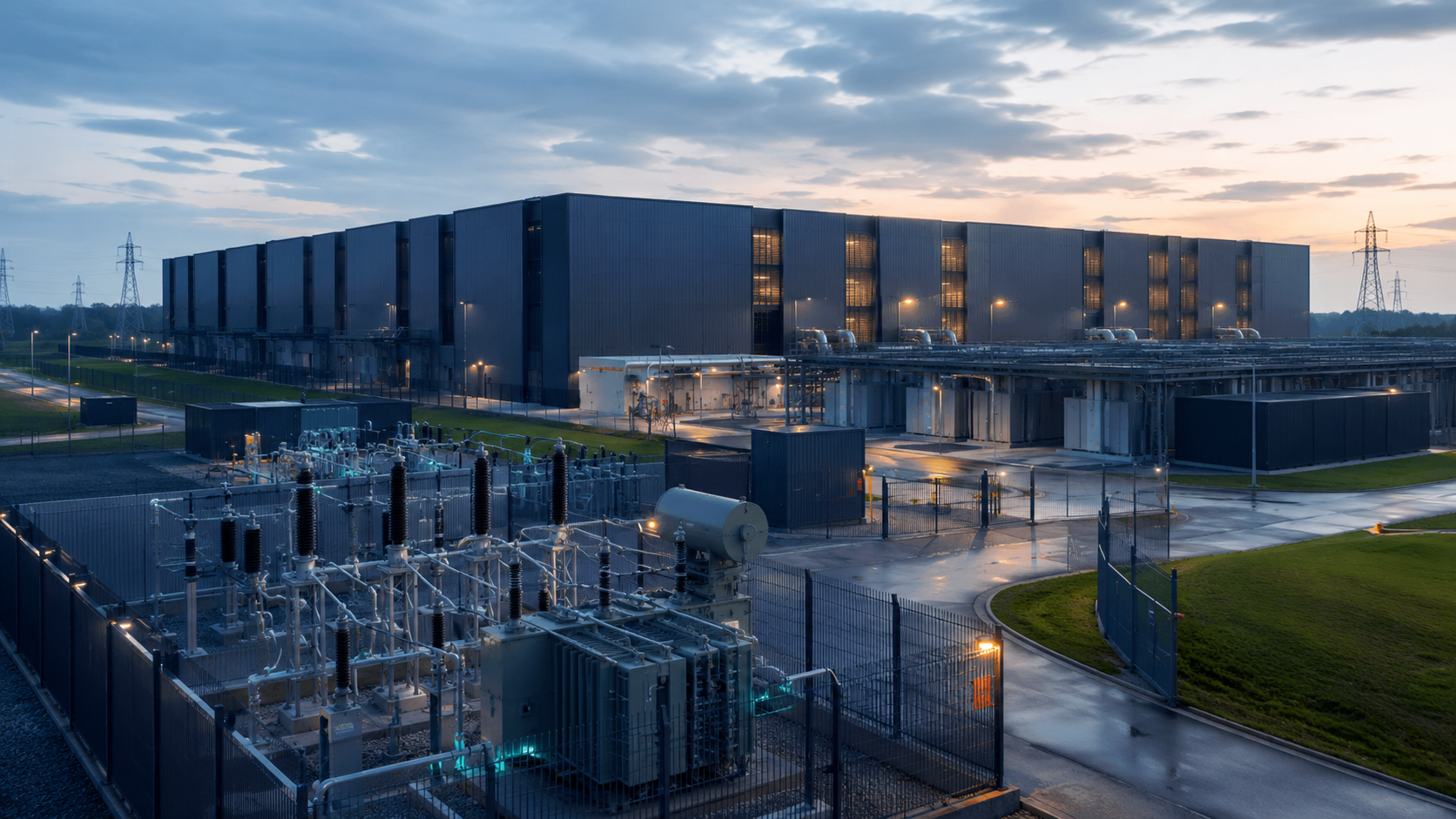
British AI infrastructure developer Nscale is negotiating a further computing agreement with Anthropic potentially worth $45 billion, centred on a proposed second data centre building at its Monarch campus in West Virginia.
The discussions were reported on 19 October by Bloomberg and subsequently corroborated by Reuters through a person familiar with the matter. Both reports indicate that the negotiations remain open and their terms could change.
The proposed building would provide approximately 460MW of computing capacity and use Nvidia’s next-generation Vera Rubin architecture. The reported figure describes the prospective development’s scale; a detailed electrical specification distinguishing computing load from total facility demand has not been disclosed.
Neither company has announced a signed agreement covering the second building. The potential $45 billion contract should therefore not be counted as secured additional revenue or as confirmation that construction has been authorised.
Nscale already has agreements with Anthropic covering infrastructure worth up to approximately $44.6 billion, according to documents filed for the developer’s planned US initial public offering. Those earlier arrangements concern the first phase of the Monarch development.
Anthropic also reportedly holds a right of first refusal relating to a possible third building. That provision would give it contractual priority under specified conditions, but does not establish a separate agreement to purchase additional computing services.
Large computing contracts depend on physical delivery
Monarch is intended to accommodate substantial AI computing infrastructure, with future buildings requiring coordinated investment in electrical systems, cooling, networking, and specialised processors.
The reported second facility would extend those requirements beyond the infrastructure already associated with the existing Anthropic arrangements.
Vera Rubin systems are expected to support the next generation of high-density AI workloads. However, announcing a proposed deployment does not mean the relevant equipment has been manufactured, purchased, installed, or commissioned.
Development schedules must align hardware availability with the completion of the building and its supporting systems. Delays affecting electricity supply or mechanical infrastructure can prevent a completed computing cluster from operating at the intended capacity.
Large accelerator installations create demanding electrical and thermal requirements. Their total facility consumption includes processors, networking, storage, power conversion losses, pumps, and heat rejection equipment.
Consequently, a campus capacity figure cannot automatically be treated as the electricity drawn by computing equipment alone, or as the exact capacity of the site’s grid connection.
The technical design for the second Monarch building has not been publicly confirmed. Neither the expected cooling configuration nor the precise division of responsibility for additional electrical infrastructure is established in the reporting.
Any development would also need sufficient resilience to accommodate electrical disturbances, maintenance, and failures without breaching the availability commitments made to its customers.
Those requirements influence both capital costs and operating expenditure, particularly where several large buildings share infrastructure or depend on common utility connections.
Contract growth increases financing requirements
Nscale’s September IPO filing reported more than $103 billion in active and contracted total contract value at the end of August 2026. Only a much smaller proportion related to services already active.
Total contract value describes payments expected under commercial agreements over their contractual terms. It is not equivalent to revenue already recognised, cash received, or capital committed to construct the infrastructure.
A further agreement with Anthropic could materially increase Nscale’s future contracted business if negotiations succeed. Delivering it would also require additional financing before the new computing capacity began providing its expected services.
AI infrastructure providers commonly combine customer commitments with equity, borrowing, equipment financing, and project investment. The mix depends on the ownership of the assets, contractual payment arrangements, and the financial position of the parties involved.
The proposed second Monarch transaction has not been disclosed in sufficient detail to establish how its development would be funded or what financial guarantees either party might provide.
Nscale is preparing for a public listing amid investor scrutiny of large infrastructure commitments and the substantial funding required to fulfil them.
Its commercial position has also attracted attention after Microsoft withdrew from a proposed Nscale facility at Loughton, Essex, following reported delays to the site’s electricity connection.
That withdrawal concerns a separate British development and does not establish a problem with electricity supply at Monarch. It nevertheless demonstrates how securing a computing customer can precede the delivery of the physical infrastructure needed to honour the contract.
The reported Monarch negotiations therefore represent a potential expansion of demand, rather than completed computing capacity or a new source of revenue already operating.
The next decisive disclosures will be whether the companies sign a binding agreement, how the second building is financed, and what construction, electricity supply, and hardware delivery milestones accompany the contract.

