
Summary
- nVent supplies the rear-door heat exchanger; AMD supplies the Helios computing platform and architecture.
- A rear-door heat exchanger targets heat not removed by liquid-cooled chips.
- The OCP demonstration is not evidence of an installed customer fleet.
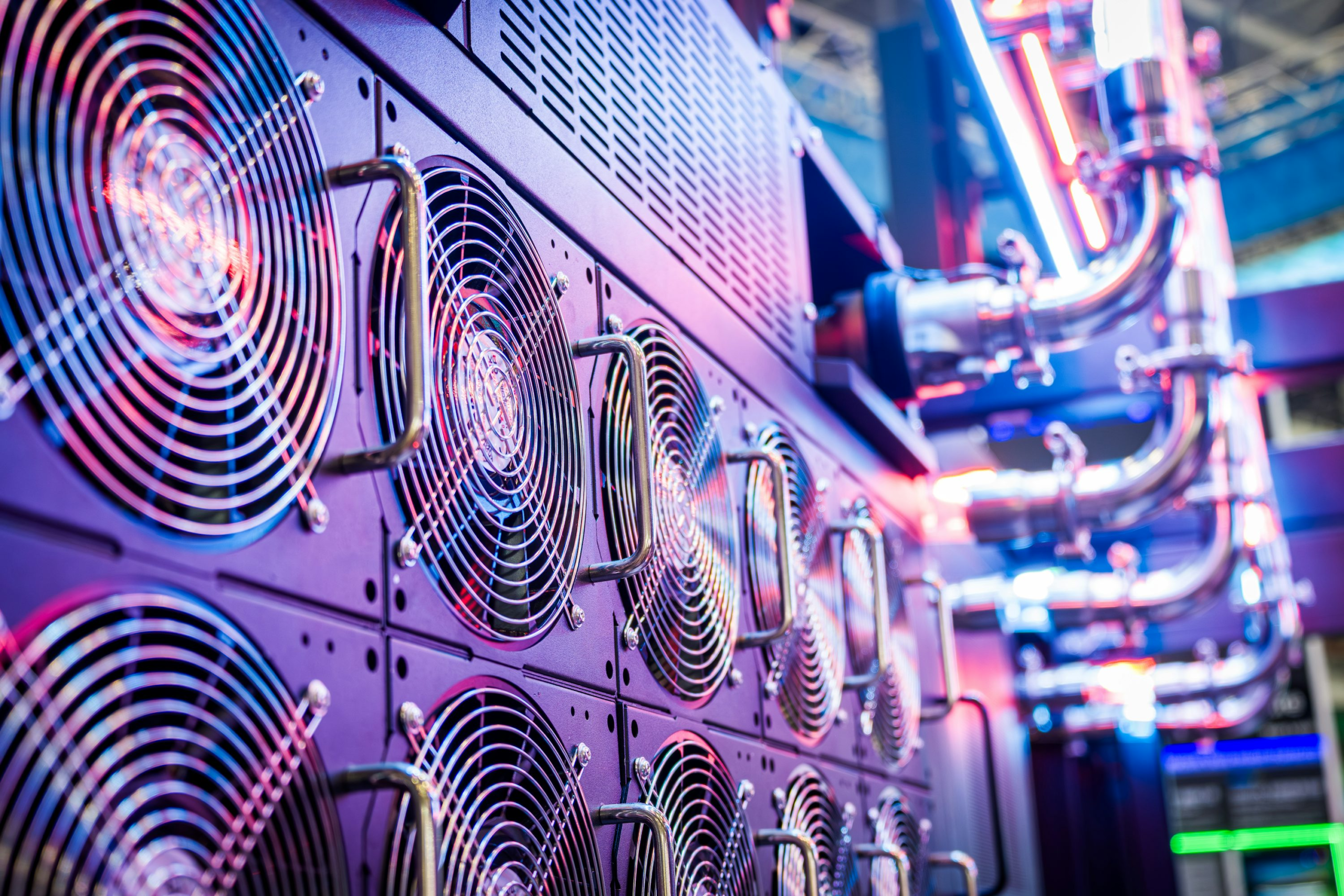
nVent and AMD announced a joint cooling design for the AMD Helios rack-scale compute platform on 13 October. nVent is developing a direct-current-powered rear-door heat exchanger to capture exhaust heat remaining after direct-to-chip liquid cooling; AMD supplies the underlying compute, networking and platform architecture. A first look is planned at the Open Compute Project summit, not an installed customer deployment.
The design is tailored to the double-wide Helios rack rather than being described as a universal retrofit for every existing data centre enclosure. nVent says the door is DC-powered and uses air-temperature, humidity and differential-pressure measurements to manage fan behaviour. These are design features specified by the supplier, not published operating results from an independent customer facility.
High-density racks generally produce heat in components beyond the processors addressed by direct liquid cooling. Memory, networking devices, power electronics and other parts of the rack can still transfer heat into circulating air. An exchanger at the rack’s exhaust side can capture part of that remaining thermal load before warm air enters the room.
Managing the air that liquid cooling leaves behind
A rear-door exchanger transfers heat between air passing through the rack and a liquid circuit serving the door. Its effectiveness depends on the temperature and flow of that liquid, fan operation, air leakage, rack loading and the capacity of the upstream cooling system. The component cannot be assessed independently of the building’s heat rejection plant and hydraulic design.
The collaboration adds nVent’s rear-door cooling assembly to an AMD Helios arrangement that also requires rack-level coolant distribution and electrical power delivery. Such integration may simplify coordination of mechanical and electrical interfaces, but the final installation still requires a facility with suitable pipework, controls, redundancy and maintenance access.
The company describes the architecture as room-neutral, meaning the rear-door system is intended to limit net heat discharged into the surrounding space. That is an engineering objective under relevant operating conditions, not proof that a deployed rack generates no residual room heat. Operators will need test data covering workloads and supply temperatures before relying on that outcome in their cooling calculations.
DC-powered cooling equipment also needs to be designed around the wider electrical distribution architecture. Fan power and control loads remain real electrical consumption, even where voltage conversion and distribution choices may affect efficiency. The announcement does not publish independently measured energy savings against a conventional system.
A demonstration at a summit can establish integration and physical form, but cannot alone establish sustained performance under the variable operating conditions of a production data centre. The companies have not disclosed customer commissioning volumes, commercial delivery dates or final installed performance figures for the integrated cooling system.
The exchanger’s position at the rear of the rack creates additional operational considerations. Doors need clearance for installation and servicing, coolant connections require isolation procedures, and any leak detection must be coordinated with the rack and building controls. Fan failure, reduced water flow or a rise in inlet temperature can affect the residual heat removed from equipment. Demonstrating normal-operation performance is only one part of proving suitability for mission-critical infrastructure; manufacturers must also show how the system responds when a supporting component fails.
The disclosed milestone is platform-level design integration and a planned demonstration. No customer commissioning, measured room-heat balance or third-party energy-efficiency result was reported.

