
Summary
- The first PT-3 system is operating in Digital Realty's LHR19 Innovation Lab in London.
- Reporting describes a two-rack, room-temperature installation drawing approximately 6kW, with commissioning within a day.
- Claimed performance benefits in scientific AI and optimisation are supplier-reported and are not independent proof of commercial quantum advantage.
ORCA Computing has installed its PT-3 photonic quantum computing system inside Digital Realty’s LHR19 data centre in London, bringing a specialised computing platform into an established commercial colocation environment alongside conventional accelerated infrastructure.
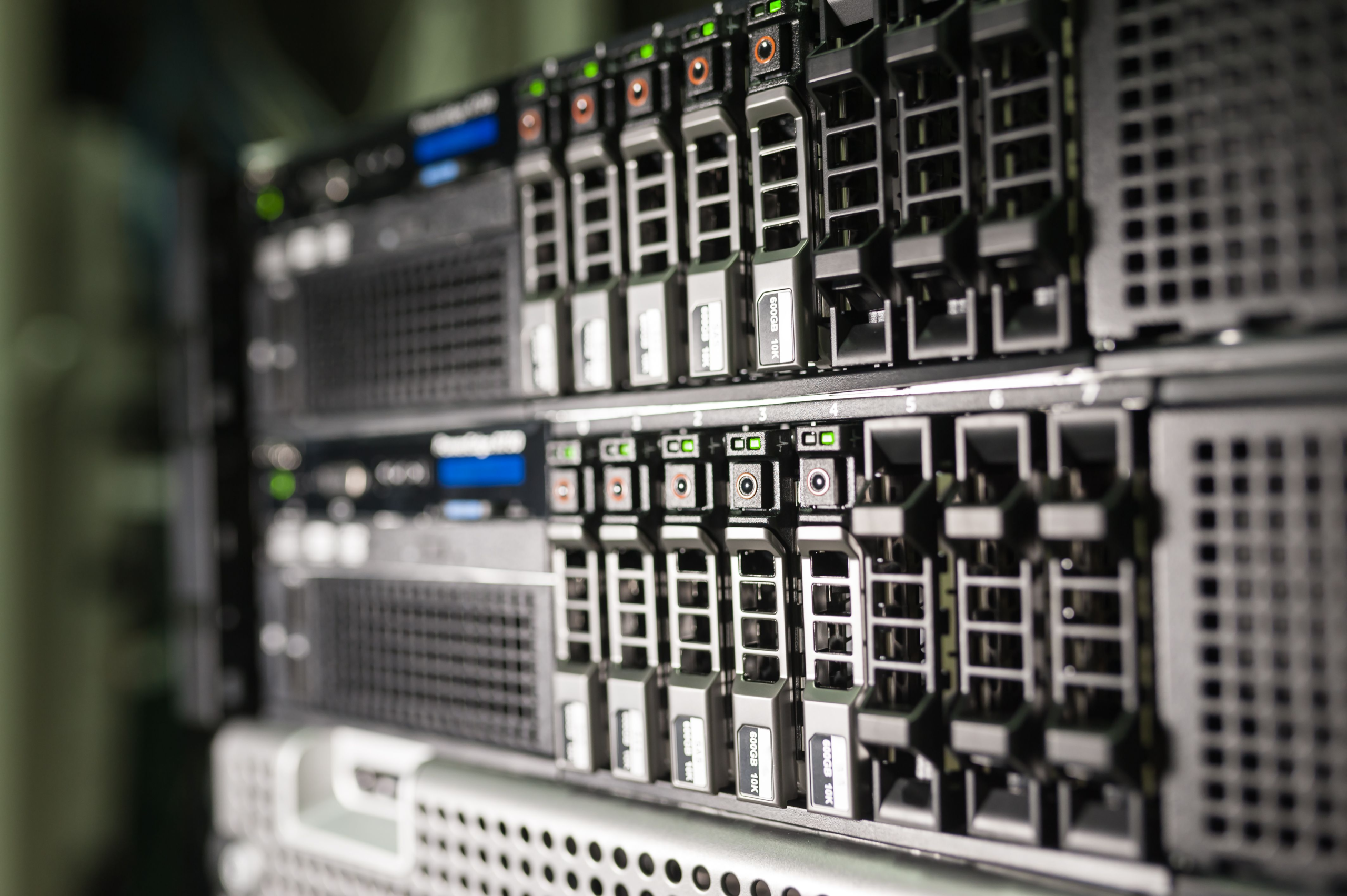
The first installation is located in Digital Realty’s Innovation Lab in the Docklands area. The company announced PT-3 on 15 October, reporting live operation with NVIDIA computing equipment and early work in protein design and industrial optimisation. Independent reporting from the facility identifies the system as occupying two standard racks, drawing approximately 6kW and operating at room temperature.
Photonic quantum computing uses optical components and quantum states of light as elements of computation. ORCA’s design differs materially from systems that need large dilution refrigerators and cryogenic infrastructure. A room-temperature machine can fit more readily into a conventional data centre plant arrangement, although its full operational requirements still depend on hardware integration, controls, cooling and network access.
ORCA’s two cabinet specification lists a combined weight of about 746kg; this is equipment weight, not the full installed facility load. ORCA representatives told specialist media that installation took roughly three hours and the system was running within 24 hours. These figures describe the reported initial deployment, not a guarantee that every future customer installation would require the same labour or site preparation.
Facility integration limits specialised construction needs
Digital Realty is accommodating an unfamiliar computing architecture in an existing facility, rather than constructing a separate quantum computing campus. A two-rack installation with a modest stated electrical demand does not need the campus-scale grid connection associated with a large AI training deployment. It still requires appropriate electrical supply, physical security, maintenance access, environmental controls and interconnection to the conventional systems used in hybrid workflows.
Digital Realty operates the host facility rather than developing the quantum processor itself. The Innovation Lab provides a place to test such systems and evaluate how they interact with established compute and network services. The project does not establish that every tenant in LHR19 can now order quantum computing capacity or that a new commercial service has entered general availability.
ORCA describes PT-3 as modular and field-upgradeable. Those features could reduce the need for a complete physical replacement when components change, but the release does not quantify ongoing maintenance costs or validated lifetime energy use.
Benchmark claims require separate scrutiny
ORCA reports a 20% improvement in the ratio of useful protein designs in a hybrid research workflow against its selected classical baseline. It also reports competitive results in a large electricity unit-commitment optimisation benchmark involving more than 25,000 variables. These are claims from ORCA and its collaborators, not independent evidence that the new system is faster or more economical for every comparable problem.
Commercial quantum advantage depends on the complete calculation, including data preparation, classical processing, quantum hardware operation and the quality of the resulting answer. A narrowly selected benchmark may demonstrate progress without establishing broad superiority over conventional methods.
From an infrastructure perspective, the verified physical distinction is more specific: a quantum system has been placed in an operational commercial data centre without a separate building-scale cryogenic plant. ORCA’s product specification does, however, list a rack-mounted closed-cycle helium cooling subsystem. Broader deployment would still require consideration of hardware availability, service models, interconnection and customer demand.
The first PT-3 installation is reported to be running in London now. Its future effect on colocation space, power density or revenue remains uncertain, and the performance results should remain attributed until independently reproduced.

