
Summary
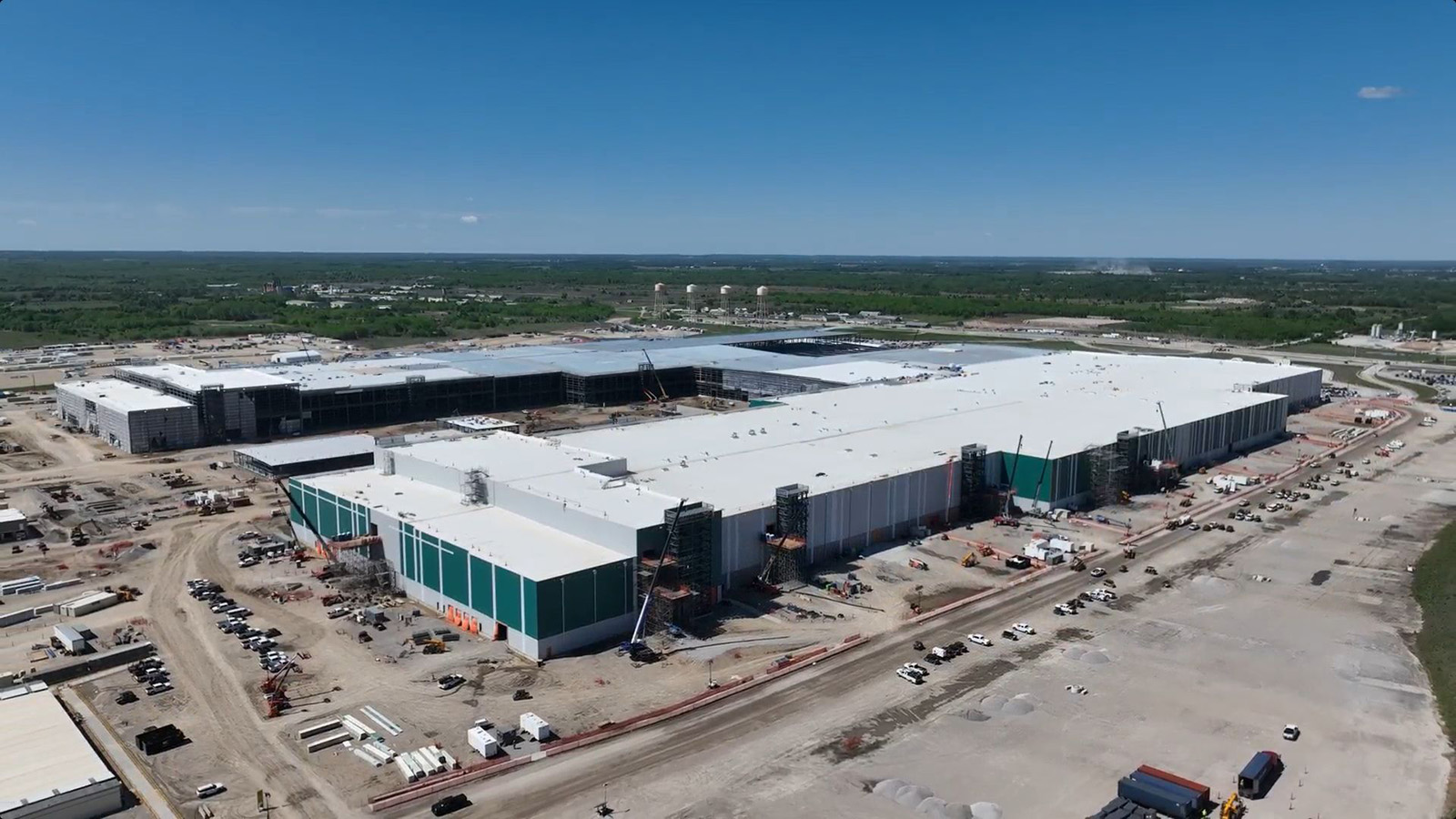
- Panasonic plans to start mass production of battery cells for data centre applications at its Kansas plant in fiscal 2028.
- The company is allocating part of a wider AI infrastructure investment programme to its energy business.
- Battery supply is becoming more strategic as data centres assess backup power, energy storage, grid support, and AI load profiles.
Panasonic Holdings plans to start mass production of battery cells for data centre applications at its Kansas plant in fiscal 2028, adding another major industrial supplier to the critical power supply chain behind AI infrastructure.
The company said production would begin in the financial year ending March 2029. Panasonic is allocating about ¥350bn of a previously announced ¥500bn AI infrastructure investment programme to its energy unit, with a further ¥150bn going to its industry segment.
The battery plan sits alongside other manufacturing moves. Panasonic Energy also plans to build a third plant in Mexico, with mass production scheduled for fiscal 2027. Its energy business has set a sales target for data centre-related energy storage systems in fiscal 2028, with management describing the target as a minimum commitment.
The immediate manufacturing geography is outside Europe, but battery supply chains are global. Data centre operators, UPS suppliers, EPCs, electrical integrators, and power equipment vendors are all being pulled into a market where batteries are moving beyond a narrow backup role.
Batteries move up the critical power stack
Traditional data centre resilience has relied on a familiar sequence: utility supply, UPS ride-through, batteries, and backup generation. That architecture remains central to mission-critical design, but the operating context is changing as AI workloads concentrate more electrical demand inside facilities and as grid constraints place a higher value on flexibility.
Batteries are still required to support continuity during disturbances, transfer sequences, maintenance events, and failures. In some markets and designs, they are also being examined for peak management, power quality, and limited grid-support functions, provided those roles do not compromise resilience. The closer a facility moves toward high-density AI, the more important the behaviour of the electrical system becomes.
Battery technology choices are therefore becoming more visible in procurement. Operators must balance footprint, safety, discharge profile, maintenance, lifecycle, sustainability, integration with UPS systems, and total cost of ownership. Suppliers that can provide products suitable for high-voltage data centre architectures may gain an advantage as operators reassess conventional backup systems.
Panasonic’s plan also shows the overlap between electric vehicle manufacturing capacity and stationary energy systems. Gigafactory investment was largely built around automotive demand, but data centre growth offers a second high-value market. That can help diversify production, while also creating competition for cells, materials, equipment, and specialist engineering talent.
European data centre projects are already dealing with long lead times for transformers, switchgear, generators, UPS systems, and power electronics. Battery supply is becoming part of the same strategic procurement picture. Availability, certification, safety standards, and integration capability will shape whether new products can move from manufacturing plans into critical facilities.
Panasonic’s Kansas production plan gives the data centre market another sign that energy storage is being treated as AI infrastructure, not only as an adjacent industrial category. The next evidence will come through product specifications, certification paths, customer deployments, manufacturing ramp-up, and how the company positions batteries between backup, power quality, and grid-facing applications.

