
Summary
- Partners Group will become AVK’s majority shareholder through an initial investment exceeding $1bn.
- AVK plans to fund, develop, own, and operate on-site power systems supported by a pipeline exceeding 2GW.
- Customers would procure power through long-term agreements rather than funding the generation infrastructure directly.
AVK has secured an initial investment of more than $1bn from Partners Group, giving the private-markets investor a majority stake in the UK-based data centre power specialist.
AVK’s existing management will remain in place, while chief executive Ben Pritchard will retain a significant shareholding. The transaction is the first external funding round in the company’s history.
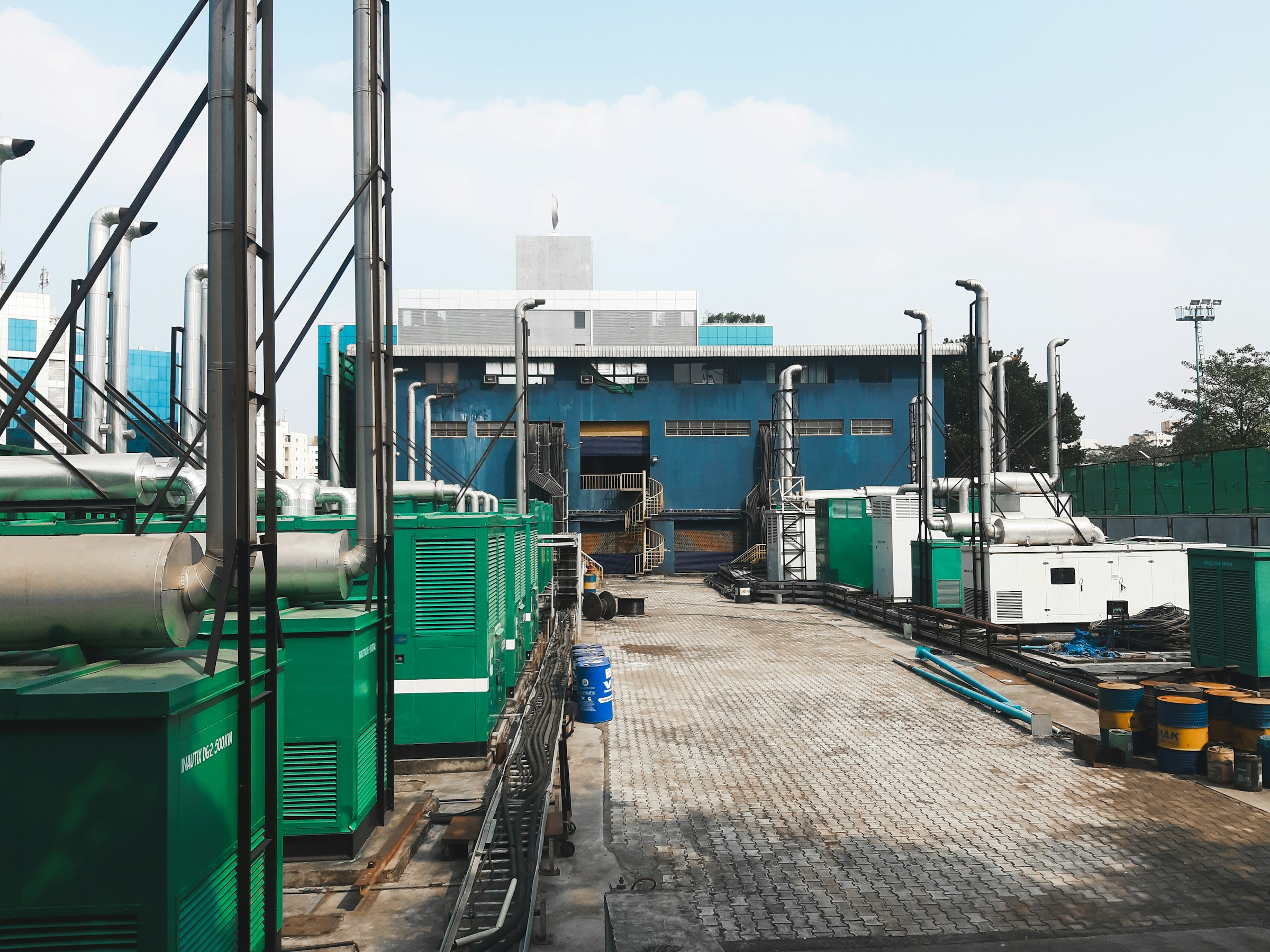
The capital will support AVK’s expansion from supplying mission-critical electrical systems into funding, owning, and operating on-site power infrastructure. Its proposed energy-as-a-service model will focus on microgrids and other dispatchable systems serving data centre operators.
AVK said the strategy is backed by a development pipeline exceeding 2GW. Rather than paying the upfront cost of the generating assets, customers would procure electricity through long-term power purchase agreements.
The structure addresses a widening gap between data centre development programmes and the time needed to obtain usable grid capacity. Developers can secure land, planning progress, and customer interest while remaining unable to energise a facility on the required schedule.
Private power becomes an investable platform
AVK already supplies prime, standby, modular, and dispatchable power systems. The Partners Group investment adds a balance sheet capable of financing generation infrastructure and retaining ownership after construction.
That changes the commercial model. A conventional equipment supplier receives revenue when systems are designed, installed, and maintained. An asset-owning energy platform carries more development and operating risk but can earn contracted income over a longer period.
For data centre customers, the model can reduce the initial capital required to secure power. It also places responsibility for financing, construction, maintenance, and performance on a specialist provider.
The obligation does not disappear. It moves into the power contract, where operators will need to examine availability guarantees, fuel exposure, maintenance provisions, emissions, expansion rights, and the consequences of underperformance.
AVK’s proposition includes microgrids and other on-site generation capable of operating independently of, or alongside, the public network. These systems can support sites where a full grid connection is delayed, constrained, or unable to meet the first phase of demand.
They can also allow a project to add capacity in stages. Generation modules can be installed alongside successive data halls, reducing the need to build the complete power system before the first customer load arrives.
Speed to power carries planning constraints
Behind-the-meter generation is not a simple substitute for a network connection. A plant expected to supply primary power for long periods has a different planning, environmental, and maintenance profile from standby generators used only during outages or testing.
Local authorities may require evidence covering fuel deliveries, air quality, noise, emissions, storage, safety, and the duration and frequency of operation. The commercial advantage of earlier power can narrow if the generation compound creates a separate permitting problem.
Fuel availability will also shape the model. Natural gas remains the most established option for continuous reciprocating generation, while lower-carbon fuels can be more expensive, constrained in supply, or dependent on additional processing and storage equipment.
Long-term contracts must therefore account for changes in fuel prices and environmental rules. A system built to bridge a delayed grid connection may operate for longer than originally expected if reinforcement work slips or the customer expands more quickly than the network.
Partners Group brings experience across decentralised energy and digital infrastructure. Its previous investments include Nordic data centre operator atNorth and businesses supplying distributed energy systems.
AVK has nearly 400 employees across ten UK and European hubs and has established a manufacturing facility at Haydock in north-west England. The investment gives it the capital to expand beyond project-by-project equipment sales.
The next test is conversion of the 2GW-plus pipeline into permitted, contracted, and financed power assets. Each project will still need a viable site, fuel arrangement, operating model, and customer agreement.
The transaction nevertheless marks a substantial commitment to private power as part of Europe’s data centre delivery chain. Grid access remains the preferred long-term foundation for most campuses, but capital is increasingly being deployed to build an additional layer between the facility and the public network.

