
Summary
- Terra-1 is a 1.5MW, 120-rack edge data centre under development in Padua.
- Planetel is targeting a November inauguration for the facility.
- The facility combines colocation, cloud, connectivity, and immersion-cooled AI capacity.
Italian connectivity provider Planetel is nearing completion of its 1.5MW Terra-1 edge data centre in Padua as it shifts a larger part of its growth strategy towards cloud, cybersecurity, and infrastructure services.
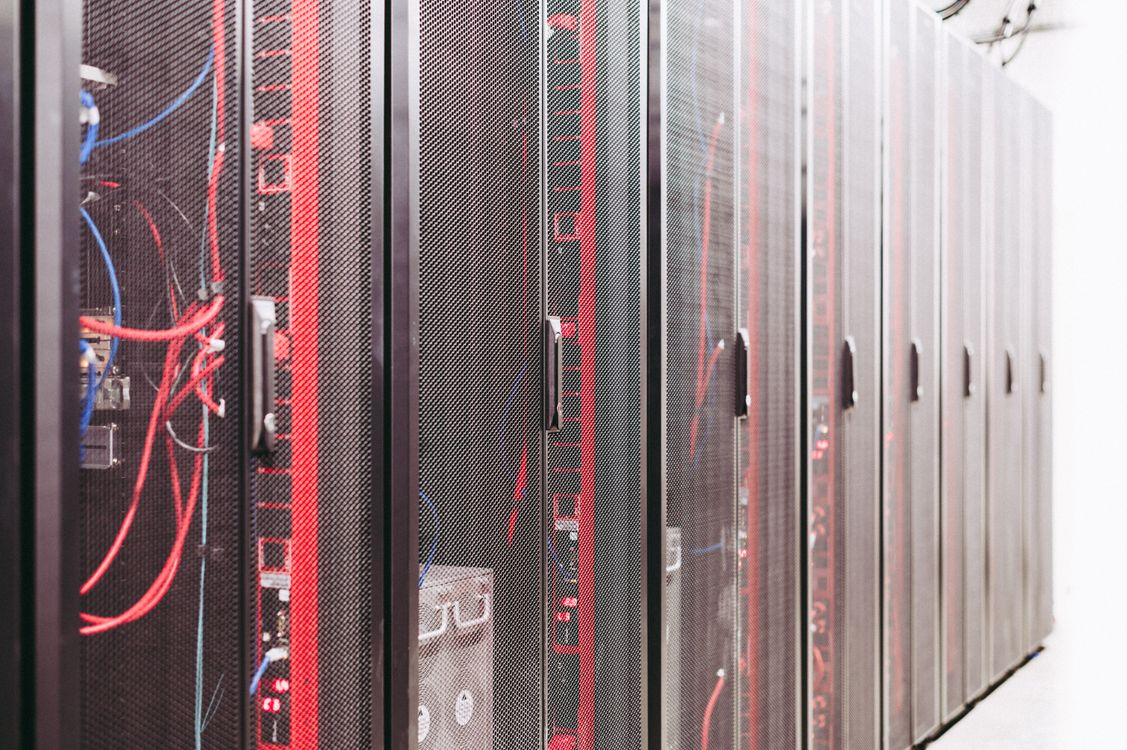
Planetel said during its first-half results presentation that Terra-1 will contain around 120 racks across a 1,200 sq m facility and is scheduled for inauguration between 18 and 20 November.
The facility is being developed in Padua’s industrial area and is intended to support colocation, cloud, disaster recovery, connectivity, and higher-density AI services.
Planetel reported first-half revenue of €21.7m, up 5%, EBITDA of €4.9m, and EBIT of €1.3m. The company said recurring revenue accounts for about 90% of sales, providing an existing customer base into which it can sell infrastructure and managed services.
Immersion cooling adds a high-density option
Terra-1 is designed with conventional data centre infrastructure alongside an immersion-cooling capability intended for AI and other high-density workloads. Planetel has cited target PUE levels of around 1.03 to 1.05 for the immersion-cooled equipment and below 1.23 for the building overall.
Those figures remain design or operating targets rather than independently verified live performance because the facility is not yet in commercial operation. Actual efficiency will depend on IT utilisation, cooling configuration, ambient conditions, and the mix of equipment installed by customers.
The site is designed to Tier III principles and has received design-stage certification covering its facilities and computer rooms. Planetel is also connecting the data centre into its existing fibre network, including links to the VSIX internet exchange in Padua.
That network integration is central to the business case. Terra-1 is not being developed as an isolated wholesale shell; Planetel plans to use it as a physical base for cloud, connectivity, security, disaster recovery, and infrastructure-as-a-service products.
Management said it is already discussing capacity with carriers and large businesses in Veneto. Some of the capital expenditure scheduled for 2027 will be directed towards the routers, switching equipment, and other systems required to turn the completed building into a service platform.
Regional edge economics differ from hyperscale
At 1.5MW, Terra-1 is small compared with the hyperscale campuses being proposed around Milan and other European markets. Its commercial rationale is correspondingly different.
Regional facilities can compete on proximity to customers, network integration, local support, disaster recovery, and workloads that do not need a giant cloud campus. Planetel’s ownership of fibre infrastructure gives it a way to combine those services rather than relying only on rack rental.
The inclusion of immersion cooling also gives the facility a route to workloads that would be difficult to host in a conventional low-density edge site. Whether that becomes a meaningful source of demand will depend on how quickly regional customers adopt accelerator infrastructure and whether the economics favour local deployment over public-cloud capacity.
Planetel’s strategy is therefore a test of whether an established regional telecoms provider can use its customer relationships and network assets to move further into physical compute infrastructure.
Construction completion remains the immediate milestone. After that, the more important measure will be how quickly the 120 racks translate into contracted load and whether the high-density cooling capability attracts workloads that justify the additional engineering complexity.

