
Summary
- Dobre councillors unanimously removed a proposed 90-hectare data centre near Nowa Wieś from the municipality’s general plan.
- More than 200 residents from four surrounding villages reportedly signed a petition opposing the development.
- The decision stops the current proposal but does not rule out a future data centre project following a different planning and consultation process.
Councillors in the city and municipality of Dobre in central Poland have unanimously removed a proposed 90-hectare data centre development near Nowa Wieś from the area’s general municipal plan.
The vote stops the project in its current form after local opposition developed around the scale of the proposed site and the level of consultation with surrounding communities.
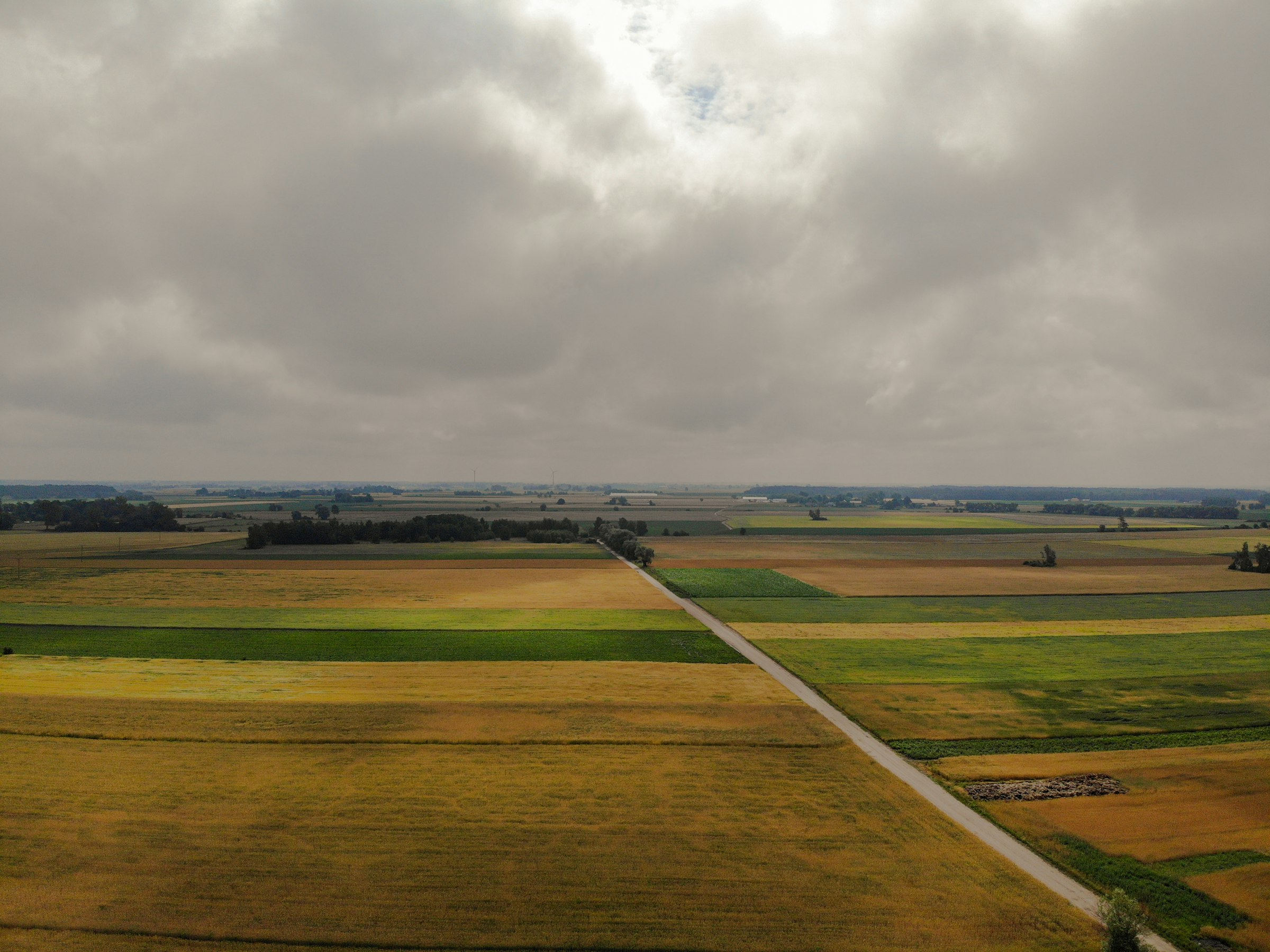
The facility would have occupied around 90 hectares, or 222 acres, of land outside Nowa Wieś in the Masovian Voivodeship. Earlier local reporting indicated that parts of the proposed development area were agricultural land.
More than 200 residents from four surrounding villages reportedly signed a petition opposing the scheme. Concerns included the physical size of the development and a perception that residents had not been sufficiently involved before it advanced into the planning process.
The identity of the developer remains uncertain. A local political activist identified a Warsaw-based limited company called Energize as the business that petitioned the municipality, but DatacenterDynamics said it could not independently verify that claim. DataCentral is therefore not treating Energize’s involvement as confirmed.
Earlier reporting also suggested the data centre could have been three storeys high and generated substantial tax income for the municipality. Those figures form part of reporting around the rejected proposal rather than a final approved design or independently verified financial commitment.
The council’s decision does not amount to a permanent prohibition on data centres in Dobre. Mayor Kamil Wichrowski indicated that the municipality could consider another major investment if a credible project emerged and residents were involved in discussions.
That leaves open the possibility of a revised project or a different developer returning to the area, but any such proposal would need to overcome the planning and community issues that stopped the current scheme.
The case adds another planning constraint to Poland’s expanding data centre market. Most of the country’s capacity is concentrated around Warsaw and the wider Masovian region, where fibre connectivity, customer demand, and access to national infrastructure continue to attract developers.
Moving large facilities beyond established industrial areas changes the planning equation. A campus measured in tens of hectares brings requirements for substations, backup generation, cooling plant, access roads, security infrastructure, and utility corridors before the server halls themselves are considered.
Those physical requirements can make a data centre more comparable with a major industrial development than a conventional commercial building, particularly where the site adjoins agricultural or residential land.
Poland has not experienced the same volume of organised resistance to data centre development seen in parts of the UK, Germany, Ireland, and the Netherlands, but local opposition is becoming more visible as projects increase in scale.
A separate project at Piaseczno, south of Warsaw, attracted resident concerns during August, including questions over local water pressure. The issues differ by site, but both developments show that securing land does not settle the wider question of whether surrounding infrastructure and communities can accommodate a large facility.
Dobre’s decision came before the project had progressed into detailed facility engineering. Power architecture, cooling requirements, and construction delivery are irrelevant if the underlying land-use framework does not permit development.
The Nowa Wieś site has therefore become a planning case rather than a construction project. Any attempt to revive data centre development there will first have to rebuild the municipal and community support required to put it back into the planning framework.

