
Summary
- Promera has acquired B&G Energy Limited and B&G Energy Ireland Limited, adding specialist low, medium and high voltage electrical installation capabilities.
- The business works with switchgear, generators, UPS equipment, battery storage and associated control systems, alongside data hall fit-outs and upgrades.
- B&G Energy’s founders will continue managing the business, following Promera’s earlier expansion into the UK and Ireland.
Promera has acquired B&G Energy, an electrical contractor based in Armagh, Northern Ireland, extending its European data centre services into the installation and integration of critical power infrastructure.
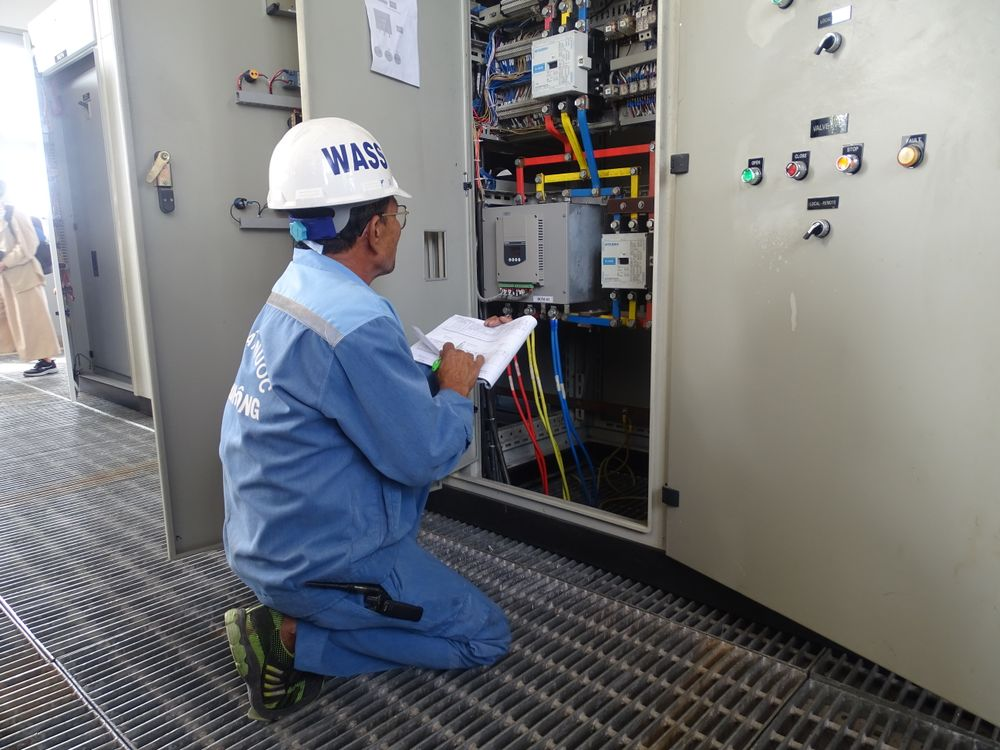
The transaction covers B&G Energy Limited and B&G Energy Ireland Limited. The business provides low, medium and high voltage electrical installation services, together with the controls used to integrate generators, uninterruptible power supplies, battery energy storage systems and switchgear.
B&G Energy also undertakes data hall fit-outs and electrical upgrades for data centre projects. Its acquisition adds specialist electrical engineering to Promera’s existing work in contamination control, pre-commissioning preparation and ongoing environmental services.
Financial terms have not been disclosed. The companies have not identified a specific project backlog, additional installed capacity or expected revenue contribution arising from the transaction.
The acquisition follows Promera’s September 2026 purchases of Formula Facilities Services and Critical Area Cleaning, which established its UK and Ireland operation under the Promera UK name. B&G Energy extends that regional presence into electrical contracting rather than simply expanding the geographical coverage of existing services.
Promera is backed by Angeles Equity Partners. B&G Energy co-founders Gavin Quinn and Brian Rafferty will remain responsible for the acquired business, reporting to Jim Harding, Promera’s managing director, international.
Electrical systems require coordination across equipment
Data centre power infrastructure combines equipment responsible for supplying, distributing and protecting electricity. Depending on the facility, that infrastructure can include utility connections, transformers, medium voltage switchgear, distribution panels, UPS systems, batteries and standby generators.
These components perform different functions and must operate together under normal conditions, during maintenance and following an interruption to the electricity supply.
Switchgear allows electrical circuits to be connected, isolated and protected. Its installation requires coordination with cable systems, earthing arrangements, control equipment and protection settings selected for the electrical network.
UPS equipment provides short-term continuity to designated loads when the normal supply is interrupted. It must respond within the limits required by the supported computing systems while allowing another power source to become available where the facility uses standby generation.
Generators have their own starting, loading and operating characteristics. Bringing a generator into service requires appropriate transfer arrangements, protective equipment and controls that manage the transition without creating unacceptable conditions for connected loads.
Battery energy storage can serve several purposes, including backup power and, in certain configurations, wider energy management. Its electrical interface depends on the role of the system, its power conversion equipment and the conditions under which it is expected to operate.
The controls connecting these assets determine how equipment responds to changes in supply conditions. An incorrect sequence or unsuitable protection setting can cause unnecessary interruption, while inadequate fault isolation can expose equipment to further damage.
Electrical installation therefore involves more than positioning individual components. Contractors need to verify connections, settings, equipment compatibility and the behaviour of the completed system before it is placed into service.
B&G Energy’s stated capabilities cover the installation and integration of this equipment. The announcement does not identify the manufacturers or specific product configurations used in its projects, so no particular UPS, switchgear or battery platform can be attributed to the business on that basis.
Additional services broaden project responsibilities
Promera’s established activities address contamination during construction, preparation for commissioning and the maintenance of critical operating environments. These services help control dust, debris and other contaminants around sensitive equipment.
Electrical installation creates different responsibilities. Contractors must work to the specifications and safety requirements governing high-energy systems, coordinate with other engineering disciplines and provide suitable records for testing and handover.
During data centre construction, electrical systems also have close dependencies on mechanical equipment. Cooling plant requires electricity and controls, while the computing equipment served by the cooling system depends on reliable power distribution.
Changes to one part of the design can affect another. A revised equipment load may alter electrical distribution requirements, while additional cooling equipment can increase the demand on supporting power systems.
Coordination is particularly demanding when a facility is expanded while existing customers remain in operation. New equipment must be connected and tested without exposing live systems to avoidable interruptions.
Temporary supplies, controlled isolation arrangements and planned maintenance windows may be necessary, depending on the work and the facility’s electrical architecture.
Prefabricated electrical assemblies can reduce some installation work on site, but they still require appropriate connections, testing and integration with the completed facility. Verification undertaken during manufacture cannot replace checks after equipment has been installed and interconnected.
Promera expects the acquisition to strengthen its relationships with mechanical and electrical contractors and extend the stages of project delivery it can support. Combining services under common ownership does not, however, remove the need for clear responsibilities between specialist engineering teams.
Electrical qualifications, insurance arrangements, safety procedures and commissioning records remain specific to the work being undertaken. The businesses will need to coordinate their activities while preserving the technical responsibilities associated with each discipline.
The acquisition also gives Promera access to B&G Energy’s established contractor relationships in a market where electrical delivery is affected by equipment lead times and the availability of specialist labour.
Quinn and Rafferty’s continued management is intended to preserve those relationships and the business’s existing technical capabilities. Promera has not announced changes to B&G Energy’s workforce, offices or operating structure.
The confirmed development is an expansion of Promera’s service offering from environmental preparation and maintenance into electrical installation. Its effect on individual data centre projects will depend on how the enlarged group combines those capabilities in subsequent contracts.

