
Summary
- PwC’s baseline model projects €27.23tn of global AI infrastructure investment through 2050.
- Belgian data centre development faces constraints around electricity infrastructure, planning, advanced chips and site requirements.
- Elia expects Belgian data centre electricity demand to rise by about 2.5TWh by 2030 and 5.2TWh by 2035 compared with 2024.
Belgium’s share of the next data centre investment cycle will depend heavily on its electricity infrastructure, planning system, advanced chip supply and ability to support trusted European computing, according to PwC’s Global Data Centre Outlook.
PwC’s baseline model projects €27.23 trillion of cumulative global AI infrastructure investment through 2050. Annual data centre capital expenditure is forecast to rise from roughly €690 billion in 2026 to €1.55 trillion by 2050.
The projection includes both buildings and structures, including power and cooling systems, and the computing equipment installed inside them. PwC assumes that ICT equipment will be refreshed every four to six years, which contributes to recurring capital expenditure over the forecast period.
The United States is projected to attract 48% of cumulative investment, or €13.01 trillion, while Asia Pacific is expected to account for €7.07 trillion.
Belgian opportunity is constrained by power
Belgium sits between major established data centre markets in Frankfurt, London, Amsterdam and Paris, while grid constraints in neighbouring countries can encourage developers to consider alternative locations.
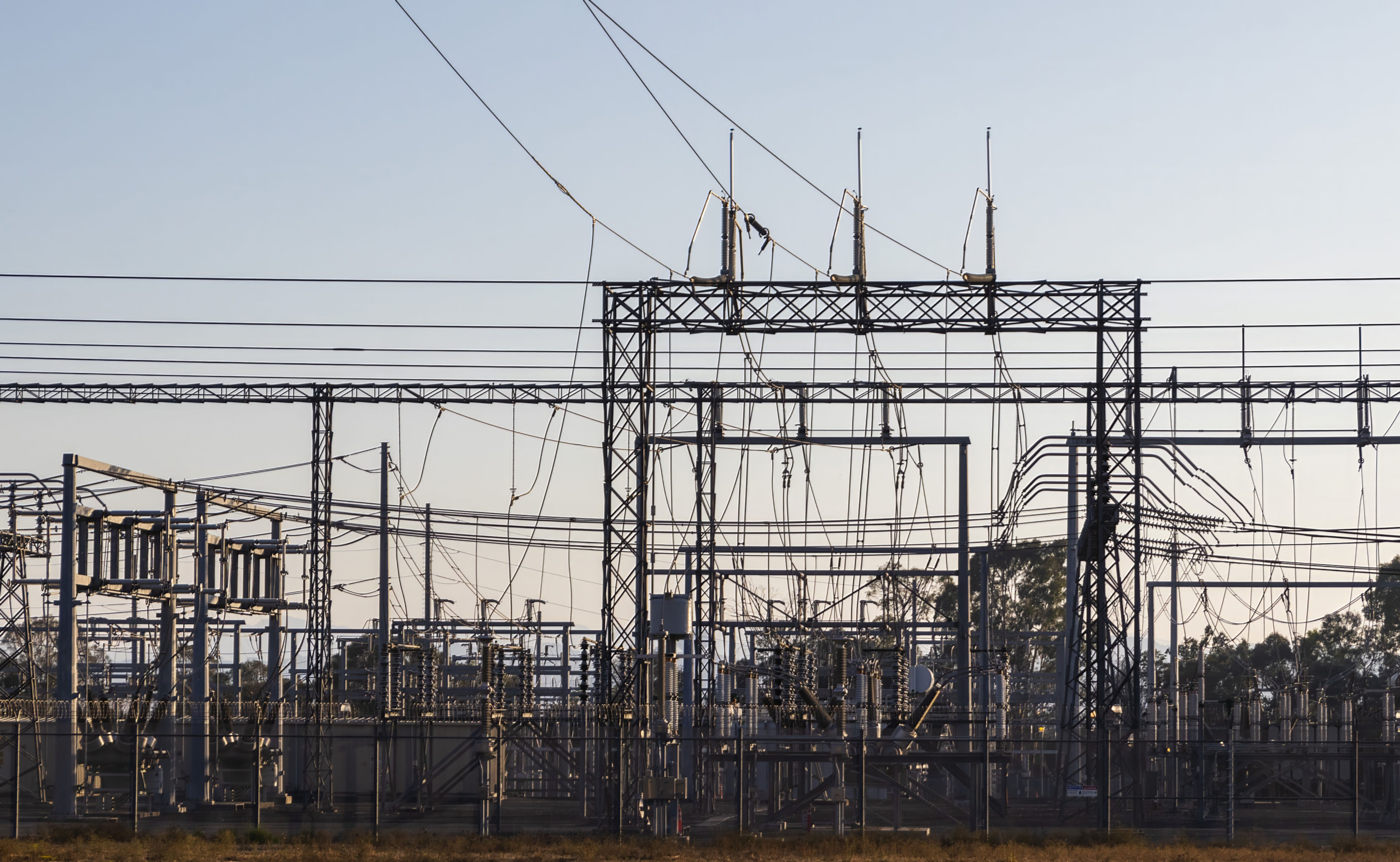
PwC argues that Belgium can benefit from that geography only where proposed sites have sufficient electrical capacity. Elia expects data centre electricity demand to increase by approximately 2.5TWh by 2030 and 5.2TWh by 2035 compared with 2024.
Connection capacity is one part of site viability. A facility also needs compatible planning conditions, fibre connectivity, suitable cooling and water systems, and enough land for substations and other supporting infrastructure.
Belgium’s regional planning structure means those requirements can differ between Flanders, Wallonia and the Brussels-Capital Region. A national demand forecast therefore does not create a single national development process.
The country’s changing electricity policy adds another variable. PwC identifies decisions around nuclear generation, grid reinforcement and connection timelines as factors that will influence whether investment remains in Belgium or moves into neighbouring markets.
Advanced computing hardware creates a separate dependency once buildings are available. A completed data hall designed for AI workloads cannot generate its intended output if GPUs and associated server equipment cannot be procured on the planned timetable.
PwC includes access to advanced semiconductor supply chains and specialised engineering skills among the factors directing global investment. Export controls, supplier restrictions and shortages can therefore affect when physical data centre capacity is fitted out.
Digital sovereignty can increase demand for European infrastructure at the same time. Governments and businesses seeking more control over sensitive workloads can favour facilities operating within trusted European legal and operational frameworks.
Belgium does not need to reproduce an entire technology supply chain domestically for that demand to benefit its data centres. Its role can sit within a wider European ecosystem, provided operators can meet requirements around control, resilience and jurisdiction.
PwC’s €27.23 trillion forecast should consequently be read as a model of global capital expenditure rather than a committed project pipeline. Belgium’s share will depend on whether sites, electricity, permits, connectivity and computing equipment are available when customers are ready to deploy.

