
Summary
- University of Exeter researchers identify gaps in understanding the cumulative environmental effects of data centre development.
- Five areas of proposed reform cover governance, engagement, measurement, planning, and regulation.
- The recommendations accompany consultation on England's draft National Policy Statement for Data Centres.
Researchers led by the University of Exeter have proposed reforms to British data centre governance, identifying gaps in the assessment of environmental impacts, coordination between public authorities, and the involvement of communities in development decisions.
The research, published on 25 November, examines the social and environmental effects of expanding computing infrastructure as the Government pursues additional artificial intelligence capacity through measures including AI Growth Zones and planning reform.
Entitled Governing UK data centre growth: Bringing social and environmental impacts into focus, the report identifies five areas requiring policy attention.
Its recommendations include stronger coordination across government, greater public involvement, improved environmental disclosure, infrastructure planning that accounts for wider system effects, and clearer regulatory definitions and standards.
The research forms part of the Environmentally Just AI project within the ACCESS environmental social science programme.
Professor Sarah Hartley, from the University of Exeter, has questioned existing planning classifications, highlighting circumstances in which buildings intended for data centre use are classified as warehouses without their specific operating requirements being apparent in development applications.
The researchers argue that clearer information could improve both community understanding of proposed facilities and the evidence available to developers and policymakers.
Cumulative impacts extend beyond development boundaries
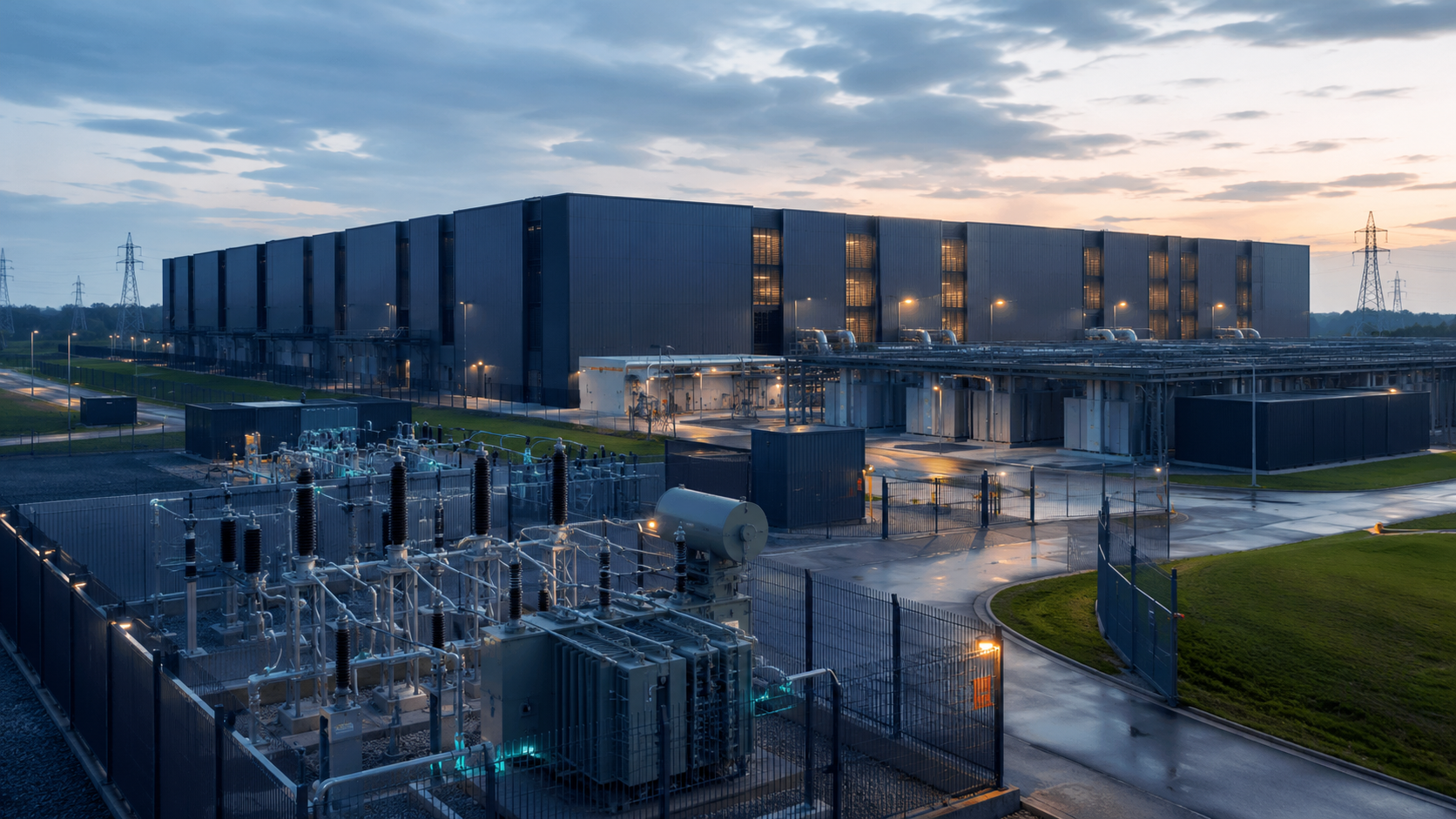
Data centre planning applications can involve infrastructure extending beyond the buildings in which computing equipment is installed.
Electricity substations, new power lines, generating equipment, telecommunications routes, drainage systems, and access roads may require separate development proposals or assessments.
Where several computing campuses are proposed within the same geographical area, their combined requirements can affect electricity network capacity, construction resources, water infrastructure, and the availability of suitable industrial land.
Assessing those demands requires information about the scale and operating characteristics of individual facilities rather than relying exclusively on the area occupied by their buildings.
A data centre containing high-density accelerator systems may consume considerably more electricity within the same floor area as a building accommodating conventional enterprise servers.
The electrical demand of supporting cooling and distribution infrastructure further influences the amount of power required through the facility’s incoming supply.
Water consumption similarly depends on the mechanical systems installed, the temperatures required by computing equipment, and the characteristics of the surrounding climate.
Closed liquid cooling circuits, dry coolers, and evaporative heat rejection systems can produce different patterns of water and electricity consumption. Reporting the use of an individual cooling technology does not establish the environmental performance of the complete installation.
Consistent information on development capacity, anticipated operating conditions, and supporting infrastructure would allow more detailed comparisons between proposed projects and their cumulative requirements.
National planning reforms introduce a separate framework
The Exeter research arrives during consultation on England’s draft National Policy Statement for Data Centres, published on 28 October.
The proposed framework will guide development consent decisions for data centres progressing through the Nationally Significant Infrastructure Project regime. Consultation remains open until 8 January 2027.
The Government has also introduced its Data Centre Covenant, establishing expectations concerning the contribution of strategic developments to national economic objectives alongside measures intended to support access to electricity infrastructure.
DataCentral previously examined the draft national planning framework and its proposed role in assessing large computing infrastructure projects.
The Exeter recommendations address a broader set of governance questions, including how the consequences of computing infrastructure development are measured and how affected communities participate in decisions.
Meaningful consultation depends partly on the availability of sufficiently detailed project information. Residents and other interested parties may need to examine anticipated electricity consumption, environmental protection arrangements, construction traffic, employment projections, and the potential effects of external mechanical equipment.
Development assessments must also distinguish expected benefits from commitments that have already been secured through contractual or regulatory arrangements.
The researchers highlight environmental effects extending beyond Britain, including the resources required to manufacture computing equipment and support its operation.
Incorporating those considerations into infrastructure governance could require coordination between planning authorities, energy regulators, environmental bodies, and departments responsible for industrial and technology policy.
The report’s recommendations do not establish new statutory obligations. Their potential influence will depend on how policymakers incorporate the findings into ongoing planning reform, environmental regulation, and the assessment of Britain’s wider computing infrastructure requirements.

