
Summary
- Uniper is marketing part of the Staudinger power station site for data centre development.
- The wider hub could combine computing capacity with battery storage and hydrogen-ready gas generation.
- The project still requires confirmed import capacity, investors, tenants, connectivity, planning, and a defined campus load.
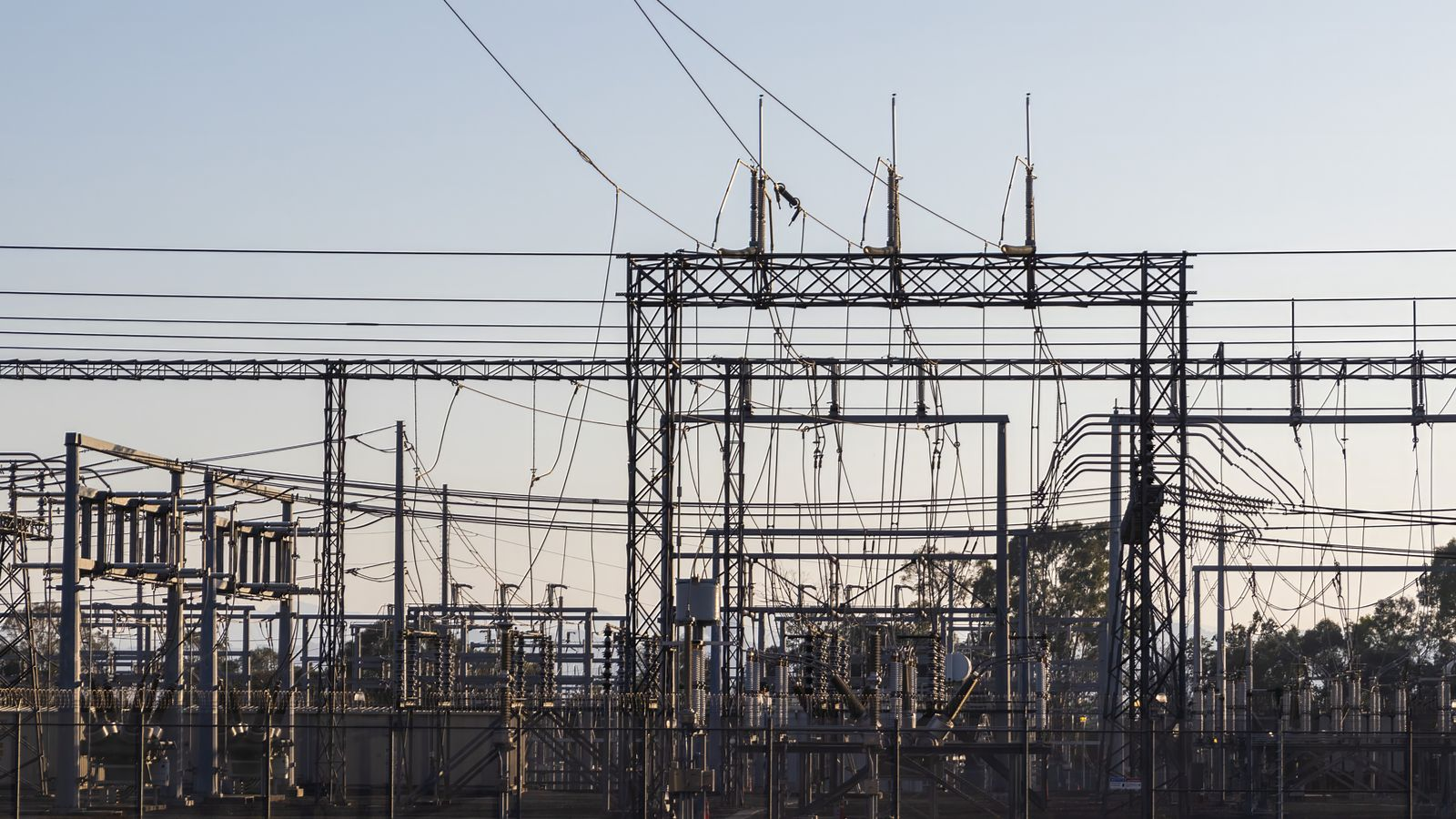
Uniper is preparing part of the Staudinger power station at Großkrotzenburg in Hesse for data centre development, reusing former coal-generation land for a proposed energy and computing hub.
Around 459,000 square metres could be allocated to data halls and supporting infrastructure, including land previously occupied by cooling towers and other plant. Battery storage and a new hydrogen-ready combined-cycle gas turbine are also planned within the wider site.
No data centre capacity, number of buildings, investment value, tenant, development partner, or construction timetable has been disclosed. Uniper is speaking with prospective investors, while transmission operator TenneT is expanding a nearby substation.
An energy site changes direction
Staudinger forms part of Uniper’s programme to reuse established power sites for data centres and other large industrial loads. The company has identified at least ten locations with potential, including three under active development and one completed UK project.
Former power stations can offer land, road access, security, utility corridors, experienced technical staff, and proximity to high-voltage networks. Those assets are difficult to assemble on a greenfield site, particularly near an established data centre market such as Frankfurt.
The historical direction of power flow presents a complication. A generating station exported electricity into the network, while a data centre campus imports a large and continuous load. Protection systems, substations, transformers, and transmission arrangements may need substantial alteration even where the high-voltage infrastructure is already present.
TenneT’s local expansion will therefore influence the project’s capacity and schedule. Until Uniper confirms the available import envelope and the date at which it can be energised, the size of the landholding does not translate into deliverable computing capacity.
The proposed gas plant adds another component. Uniper has received preliminary approval for an approximately 870MW hydrogen-ready CCGT at Staudinger, intended to provide dispatchable generation as Germany adds more variable renewable power. The company has not described an electrical arrangement directly connecting the plant to the prospective data centre campus.
Battery storage could support network services, transition events, or elements of a campus power strategy, although it cannot replace long-duration backup for a facility of hyperscale proportions. Its role will depend on the final connection, generation, and operating design.
Brownfield advantages come with brownfield work
Reusing the site can reduce pressure on undeveloped land and retain industrial activity as coal generation winds down. Demolition, contamination, ground conditions, buried services, and interfaces with remaining operational plant will add cost and programme risk before new buildings can proceed.
Data halls require predictable structural conditions, clear cable and pipe routes, secure perimeters, and construction access that does not interfere with active energy assets. Surveys and enabling packages may be extensive where decades of power-generation infrastructure have occupied the site.
Frankfurt and the wider Rhine-Main region provide a large customer and connectivity base, but growth has placed sustained pressure on land and power. Locations outside the established urban cluster can attract hyperscale or AI projects where they offer a credible electrical route and diverse fibre, even when they are less suitable for latency-sensitive retail colocation.
Connectivity remains a commercial test. The campus will need at least two physically separate fibre routes, access to carrier networks, and enough backhaul capacity to support the intended workloads. An AI training campus can tolerate greater distance from central interconnection points than some financial or cloud services, but it still moves large quantities of data between storage, clusters, customers, and other regions.
The interaction between generation and computing will also attract scrutiny. Gas-fired capacity may provide system flexibility, yet it brings emissions, fuel-supply, and permitting questions. Any future claim that the data centre is powered directly or independently by the energy hub would need a clear single-line design, operating rules, fuel assumptions, and treatment of imports and exports.
Cooling design has not been disclosed. The available land could support extensive air-cooled or hybrid heat-rejection systems, while the site’s industrial history may create opportunities for shared water or heat infrastructure. Each option would need to be reconciled with environmental permits, noise, neighbouring land uses, and the operating needs of the wider energy site.
Staudinger has the ingredients of a credible development platform, but not yet a committed data centre campus. Grid-import capacity, fibre, planning, remediation, investment, customers, and the relationship with the new generation assets will determine how much of the former power station is converted into computing infrastructure.

