
Summary
- More than ten Uniper sites near European data hubs are under consideration, with three projects described as advanced.
- Commercial options include structured power purchase agreements, direct generation supply, land, and enabling infrastructure.
- Existing energy sites can remove some early uncertainty, although demand connections, planning, emissions, and customer commitments still govern delivery.
Uniper has identified more than ten power generation sites near European data centre markets for potential digital infrastructure development, linking existing industrial land and electricity assets with a €5 billion energy investment programme running to 2030.
The German utility says three data centre projects are at an advanced stage and expects further investment decisions during 2026. One UK project has already been completed, although Uniper has not disclosed a full site list, capacity schedule, or customer details for the wider programme.
Each location is being assessed for available land, grid connections, nearby generation, planning position, and proximity to established or emerging data centre clusters. Commercial structures could include land agreements, enabling works, structured power purchase agreements, and direct supply from generation located at or near the site.
Uniper’s broader capital programme is focused on flexible generation, renewable energy, and infrastructure capable of supporting a power system carrying more variable supply. Large data centre loads provide a potential long term customer for those assets, provided construction and energisation can be aligned.
Generation sites offer more than acreage
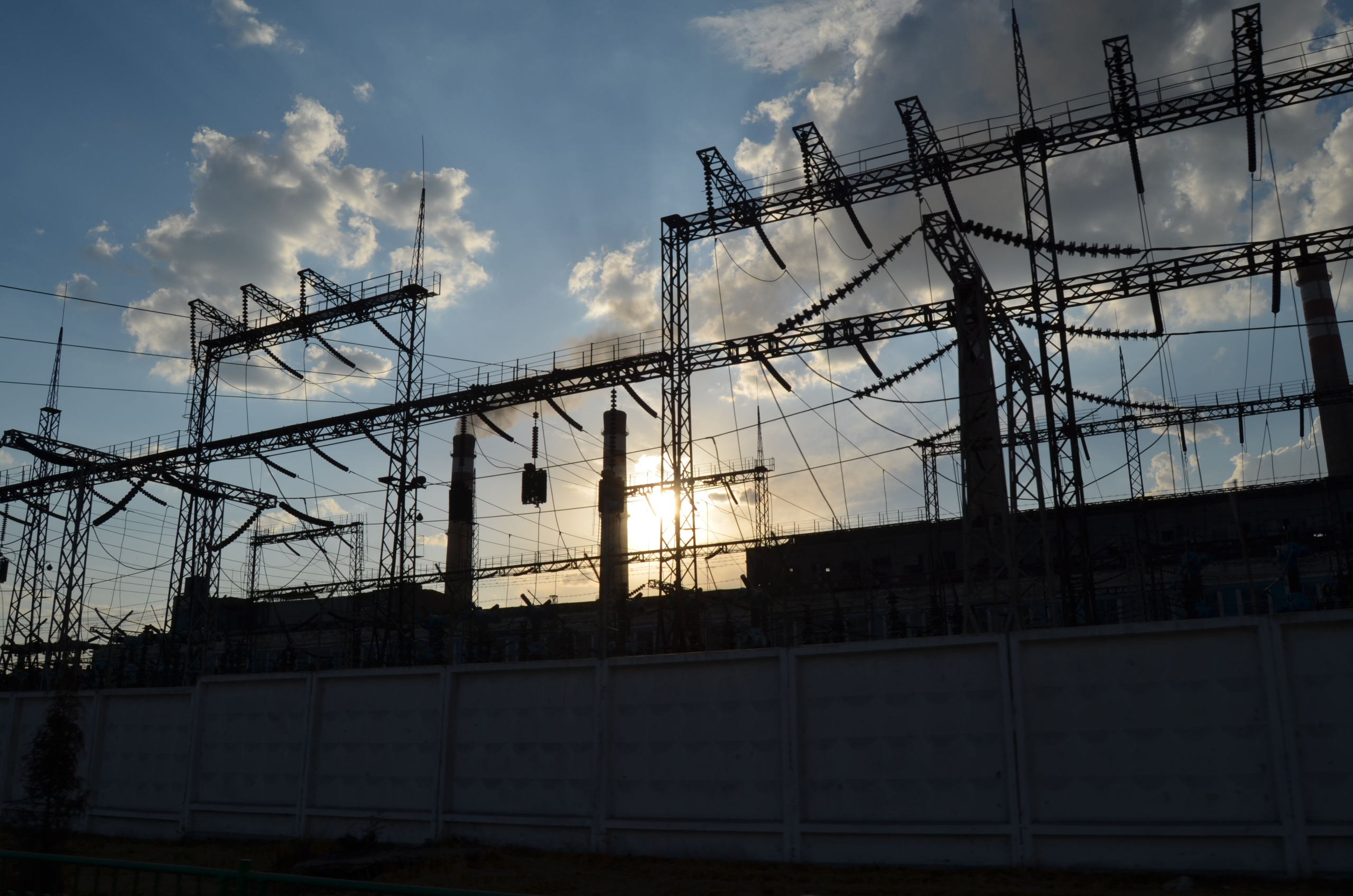
Power station land can bring characteristics that conventional development plots struggle to assemble. High voltage equipment, established substations, industrial planning history, transport access, water infrastructure, and existing relationships with network operators can all improve the quality of an early feasibility study.
Those assets do not provide an automatic demand connection. A network designed to receive electricity from a power plant may require protection changes, reinforcement, metering, and new agreements before it can serve a continuous data centre load. Export capacity and import capacity are not interchangeable simply because they occupy the same site.
Even so, an established energy location can provide better information at the point when a developer begins to assess buildability. Voltage levels, cable routes, easements, substation locations, and land constraints are likely to be more visible than on a speculative greenfield site marketed without a defined power path.
Uniper can participate at several levels. It may sell or lease land, prepare a site for development, construct energy infrastructure, supply electricity under contract, or invest in generation serving the campus. The chosen structure will determine how much development risk remains with the utility and how much transfers to the developer or customer.
Chief executive Michael Lewis has said rising data centre demand requires powerful, reliable, and long term energy supply. The company’s approach reflects a market in which a credible electricity route increasingly determines whether land has any practical value for digital infrastructure.
Co-location with generation does not remove resilience work
Placing generation and demand close together can reduce exposure to network congestion and provide greater control over pricing, but a data centre cannot rely on one plant without considering maintenance, fuel supply, forced outages, and operating limits. A resilient design still needs grid support, diverse generation, storage, backup systems, or another firming mechanism.
Renewable supply introduces a different balancing problem. Wind and solar output can support lower carbon electricity, yet continuous computing demand requires contracts and physical arrangements that cover periods when local generation falls below the campus load.
A power purchase agreement can provide price certainty and help finance additional generation, although the emissions outcome depends on how the contract is structured. Reallocating output from an existing plant may improve a customer’s accounting position without increasing the amount of low carbon power available to the wider system.
Planning remains equally important. Converting a generation site into a data centre campus changes building mass, traffic, cooling, noise, backup generation, security, and employment patterns. Existing industrial use may provide a stronger starting point, but local authorities still need to assess the new development on its own physical and environmental characteristics.
Energy sites may also offer opportunities for heat recovery, shared water infrastructure, batteries, or flexible demand, although each requires a viable technical and commercial arrangement. A data centre capable of reducing load during grid stress needs computing workloads, customer contracts, and controls that permit the response without compromising service commitments.
Uniper’s access to land and energy expertise can reduce some early development uncertainty, while the remaining work resembles any other large campus: customer demand must be secured, equipment ordered, planning conditions discharged, and an energisation date made firm enough to support construction finance.
Utilities across Europe are likely to examine similar opportunities as electricity demand rises and older generation assets are repurposed. The strongest sites will be those where land, network capacity, planning, fibre, generation, and customer delivery can be assembled as one executable programme rather than marketed as separate advantages.

