
Summary
- Trump has proposed taxing US companies developing data centres outside the United States.
- Google previously committed to investing at least €13bn in Finnish digital infrastructure during 2027 and 2028.
- No tax rate, legislative mechanism, implementation timetable, or confirmed change to European investment programmes has been established.
US president Donald Trump has proposed imposing taxes on American companies developing data centres overseas, raising uncertainty over future European computing infrastructure investment by businesses headquartered in the United States.
Speaking at the White House on 20 November, Trump argued that American companies should construct computing facilities domestically to strengthen the country’s position in artificial intelligence development relative to China.
His comments did not establish a tax rate, define which companies or investments would be affected, or identify the legislation or executive authority through which the policy would be implemented. No corresponding measure establishing the proposed restrictions has been identified.
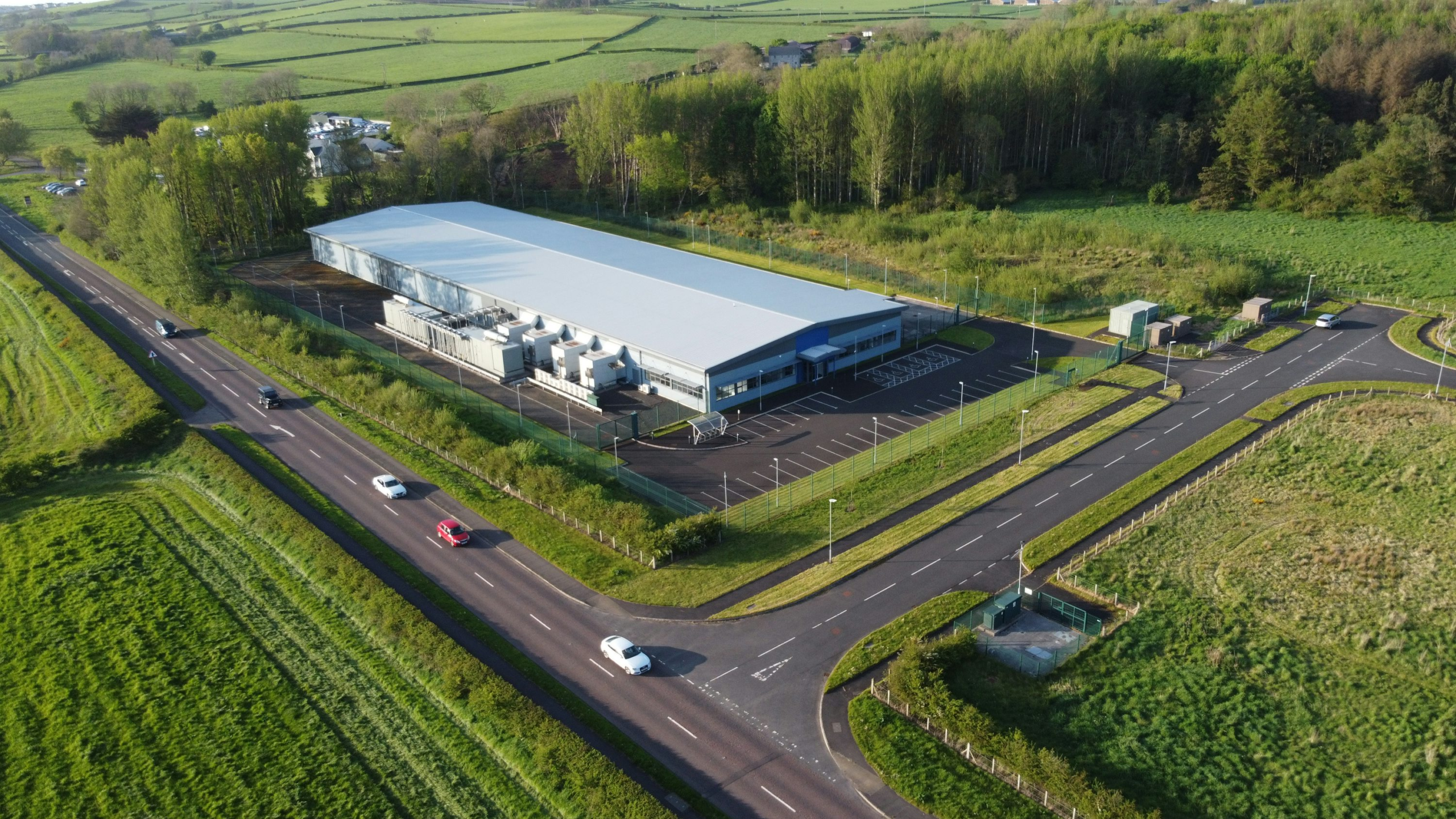
Trump singled out Google’s investment in Finland as an example of the overseas development he wants to discourage. Google announced in September that it intended to invest at least €13bn in Finnish digital infrastructure during 2027 and 2028.
The programme includes further development in Hamina, Kajaani, Muhos, and Vaala, building on an established presence in Finland that began with the conversion of a former paper mill into a computing facility.
Google’s proposed expansion also involves electricity procurement and infrastructure arrangements that extend beyond the construction of individual data centres. Those commitments illustrate how overseas computing investment can become closely integrated with the energy systems of the countries hosting it.
European electricity infrastructure commitments
The company has reached an agreement with Finnish energy producer Fortum to support the continued operation and modernisation of the Loviisa nuclear power station. It has also announced arrangements supporting additional wind generation and a proposed 94MW battery installation near its Kajaani site.
These investments address different aspects of the electricity requirements associated with new computing capacity. Nuclear generation can provide a relatively consistent supply, while battery storage and renewable generation can contribute to the management of variable output and electricity demand.
Redirecting a development programme to another country would therefore involve more than identifying replacement construction land. The developer would also need to establish alternative electricity procurement, network connections, engineering arrangements, and commercial commitments appropriate to the replacement location.
The potential application of the proposed tax remains unclear because ownership of computing infrastructure is frequently distributed across several organisations.
An American technology company may own a European data centre directly, lease space from a local colocation provider, or procure computing capacity through an agreement with another infrastructure operator. Each arrangement allocates construction expenditure, operational responsibilities, and commercial risk differently.
A measure targeting overseas facility ownership could consequently have different effects from one covering expenditure on computing equipment, overseas subsidiaries, or contracts with third-party infrastructure providers. Trump’s comments did not distinguish between these possibilities.
The European data centre construction market benefits from the expansion of American cloud computing companies, including Amazon Web Services, Microsoft, and Google. Their investments support demand for land, electrical equipment, mechanical installations, construction services, and telecommunications infrastructure.
Long-term capacity agreements with those companies can also underpin project financing, allowing infrastructure developers to establish anticipated revenue before committing substantial construction expenditure.
Changes to the cost or availability of such commitments could influence European developments, although the contractual and financial consequences would depend on the precise scope of any measure adopted.
Sovereignty requirements influence capacity location
European customers also have requirements that cannot necessarily be accommodated through infrastructure located in the United States. Network latency, national data residency obligations, security arrangements, and continuity requirements can determine where particular computing services must be supplied.
Amazon Web Services launched its European Sovereign Cloud in Germany in January, establishing infrastructure physically and logically separate from its other cloud regions. It also plans to extend the environment through local infrastructure in Belgium, the Netherlands, and Portugal.
The development reflects demand for services that can operate within European jurisdiction and meet requirements concerning the location and control of computing resources.
Providers serving customers with geographically flexible workloads may have greater opportunities to reconsider future capacity locations than those supplying services with specific regional infrastructure requirements.
European developers assessing prospective American customer commitments will need to distinguish the president’s stated policy preference from any subsequent legal measure. Existing project agreements, the jurisdiction of individual investments, and the treatment of leased capacity could all influence the eventual commercial consequences.
Until the US administration establishes the form and scope of its proposed restrictions, the effect on European investment programmes cannot be quantified. No change to Google’s Finnish construction plans or the AWS sovereign infrastructure programme has been established as a consequence of the latest remarks.

