
Summary
- United Infrastructure will lead an initiative to develop standardised electricity connection archetypes for UK data centres.
- The work will cover data centres, substations, high-voltage compounds, and common connection arrangements.
- The initiative responds to grid delays, AI demand, supply-chain pressure, and the need for faster, more repeatable power delivery.
United Infrastructure has been asked to lead work on standardised electricity connection archetypes for UK data centres, after discussions with Ofgem and senior energy and digital infrastructure stakeholders.
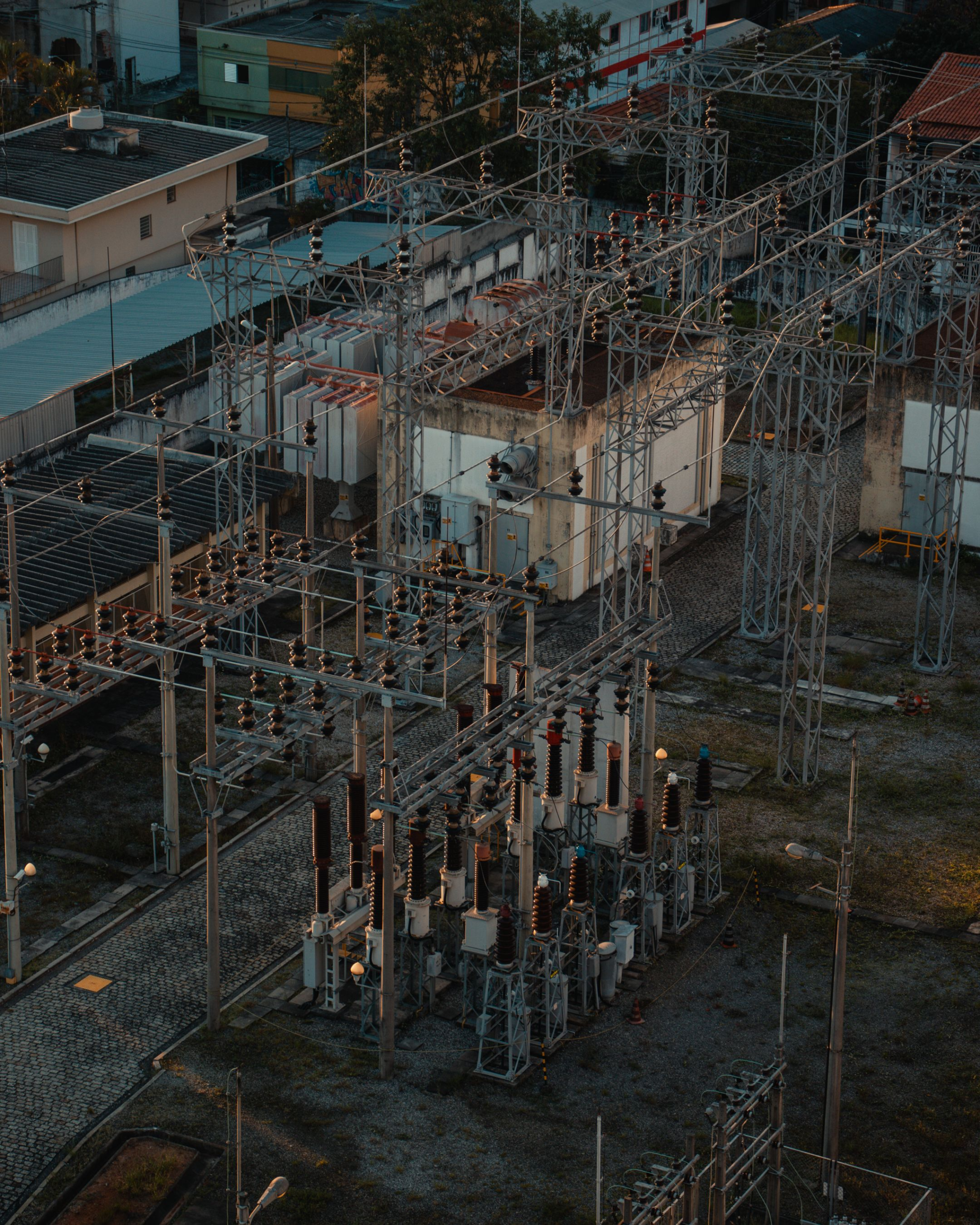
The initiative will develop common designs for data centres, substations, high-voltage compounds, and recurring connection arrangements used to link large digital infrastructure projects to the electricity grid. United Infrastructure said the work is intended to reduce complexity, improve efficiency, and accelerate connections as AI and data storage increase electricity demand.
The work follows a Cardiff roundtable with Akshay Kaul, director general of infrastructure at Ofgem, attended by more than 30 representatives from the energy, data centre, development, utility, legal, government, and infrastructure sectors. Discussions covered connection reform, supply-chain resilience, decentralised energy, workforce capability, planning, and grid capacity.
Standard designs for a strained queue
Grid connections are often discussed as a queueing problem, but design variation can slow the process as well. Large data centre projects involve load size, redundancy, high-voltage interfaces, substations, protection systems, land boundaries, easements, future expansion, and customer-specific requirements. Each scheme then moves through design, review, contracting, procurement, and delivery in a network and contractor market already under pressure.
Standardised archetypes cannot create spare grid capacity. They will not remove the need for reinforcement where the network is constrained, and they will not shorten every lead time for transformers, switchgear, cables, protection systems, or specialist labour. They can reduce repeated design work and give developers, network operators, contractors, and planning teams a clearer view of what typical connection arrangements should look like at different scales.
Clearer templates could improve early-stage feasibility. A project team that understands the likely substation footprint, voltage arrangement, compound layout, phasing, and protection approach can make better decisions on land, cost, programme, and planning strategy. For contractors and network stakeholders, repeatable models can support procurement and workforce planning.
The initiative sits alongside wider UK efforts to reform electricity connections. Government, Ofgem, and the National Energy System Operator have been moving away from a purely first-come, first-served model towards a system that gives more weight to readiness, strategic value, and deliverability. Data centres have been drawn into that debate because they are large loads and part of the UK’s AI infrastructure ambitions.
Time to power becomes the sale
“Time to power” has become a defining commercial variable for data centre projects. Customers are not only looking at shell capacity, rack density, or location. They need facilities that can be energised quickly enough to meet service commitments and hardware cycles. AI demand sharpens the issue because GPU deployments are expensive, power-intensive, and time-sensitive.
Connection uncertainty is also pushing developers towards interim options, including fuel cells, on-site gas generation, batteries, and private wire renewables. United Infrastructure’s own release refers to growing interest in gas-to-power solutions, reflecting the gap between construction timelines and permanent grid delivery.
A standardised connection playbook could reduce the risk of fragmented workarounds becoming the default response. Bridge power may still be necessary on some projects, but a clearer route to permanent grid connection gives developers and regulators a stronger basis for assessing how temporary those temporary solutions really are.
The supply chain remains a harder test. Substations, transformers, switchgear, high-voltage cables, protection systems, and skilled electrical labour are all being pulled by renewables, storage, industry, housing, EV charging, and network reinforcement. Standard designs can improve repeatability, but they still need manufacturers, contractors, and grid owners with enough capacity to deliver.
The UK’s data centre growth plans are increasingly judged against the electricity system’s ability to support them. A common set of connection archetypes will not solve the whole problem, but it can remove avoidable friction from the process. In a market where grid access can decide whether a campus becomes operational capacity or a stranded landbank, that is a useful piece of engineering discipline.

