
Summary
- LONDON19 will add 32.5MW of IT load to Virtus’s Slough campus and wider UK portfolio.
- SEGRO will build the powered shell, with planning secured through the Slough Trading Estate Simplified Planning Zone.
- The project adds more capacity to a cluster already under scrutiny for electricity use, heat, and planning concentration.
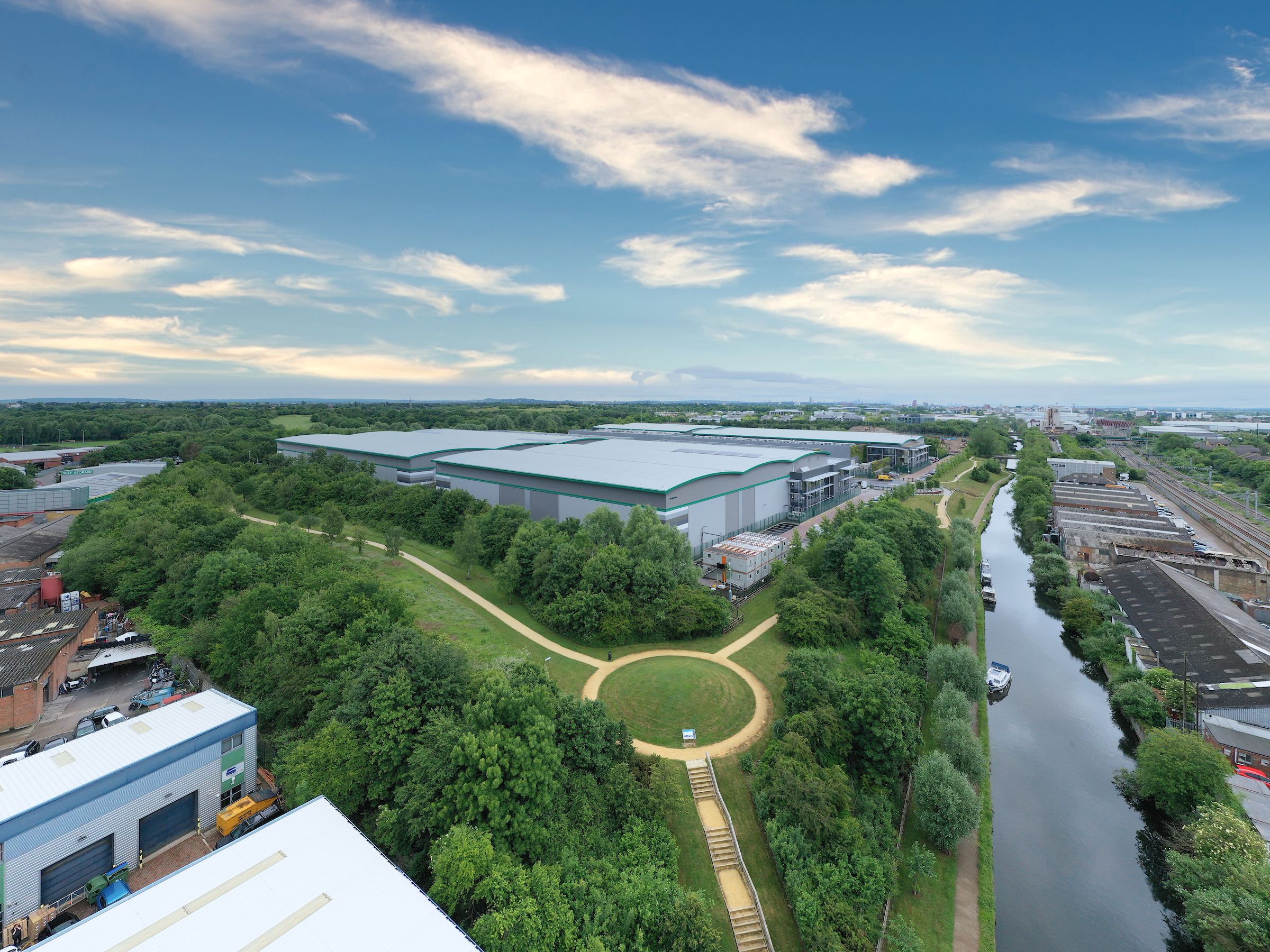
Virtus Data Centres is developing LONDON19, a 32.5MW IT-load facility at Slough Trading Estate, adding another large data centre to the UK’s densest digital infrastructure cluster.
The facility will sit within Virtus’s Slough campus and is expected to take the company’s UK estate to more than 300MW of operational and committed capacity. SEGRO will deliver the powered shell before Virtus completes the technical fit-out and operates the site.
Virtus lists LONDON19 on its Slough campus page alongside existing facilities including LONDON3, LONDON4, LONDON9, LONDON10, LONDON11, and LONDON12. Planning has been secured through the Slough Trading Estate Simplified Planning Zone.
Planning certainty keeps Slough moving
The Simplified Planning Zone gives Slough an advantage few UK data centre locations can match. It offers a degree of planning certainty in a market where large facilities often face long local approval processes, green belt challenges, and power-connection delays.
Speed now shapes the commercial value of capacity. AI and cloud customers want available load faster than planning systems, grid queues, and equipment supply chains can routinely deliver. Powered-shell models can help by separating land, building, and power delivery from customer fit-out, but they still rely on credible grid infrastructure and consented sites.
LONDON19 is expected to include advanced cooling provision, sustainable construction materials, and potential waste-heat export. In Slough, heat-reuse commitments are likely to attract closer attention after official government statistics showed how heavily the town’s electricity profile is already shaped by data centres.
Cluster strength brings concentration risk
Slough remains attractive because it combines power infrastructure, fibre, experienced landlords, operators, contractors, and customer confidence. Those advantages have made it the UK’s strongest data centre cluster and a major European availability zone.
The same concentration creates a growing infrastructure burden. More capacity means greater electricity demand, more heat rejection, more construction activity, and more pressure on substations and distribution networks. It also raises sharper questions about whether further growth should be tied to heat networks, grid reinforcement, and more transparent energy reporting.
Virtus’s expansion also shows that regional AI campuses are not replacing established London-adjacent markets. Developers may be looking to Scotland, Wales, the North East, Devon, and continental Europe for power-led opportunities, but Slough still offers connectivity, operational familiarity, and a proven customer base.
For SEGRO, the project reinforces the commercial value of powered land and powered-shell delivery. The company’s industrial estate ownership has become a data centre platform because land, power, and planning have moved to the centre of capacity strategy.
The next milestones will be final design approval, construction start, fit-out sequencing, power commissioning, and any confirmed heat offtake. LONDON19 is not the UK’s largest proposed scheme, but it adds live pressure in the one cluster where electricity consumption, planning certainty, and public visibility already overlap.

