
Summary
- The first operational facility provides 22.5MW of IT power capacity across 15,000 square metres.
- XTX has secured electricity connections for its first two facilities, but power availability remains uncertain for a third building.
- The development has created more than 30 permanent positions and involved the migration of substantial computing and storage infrastructure.
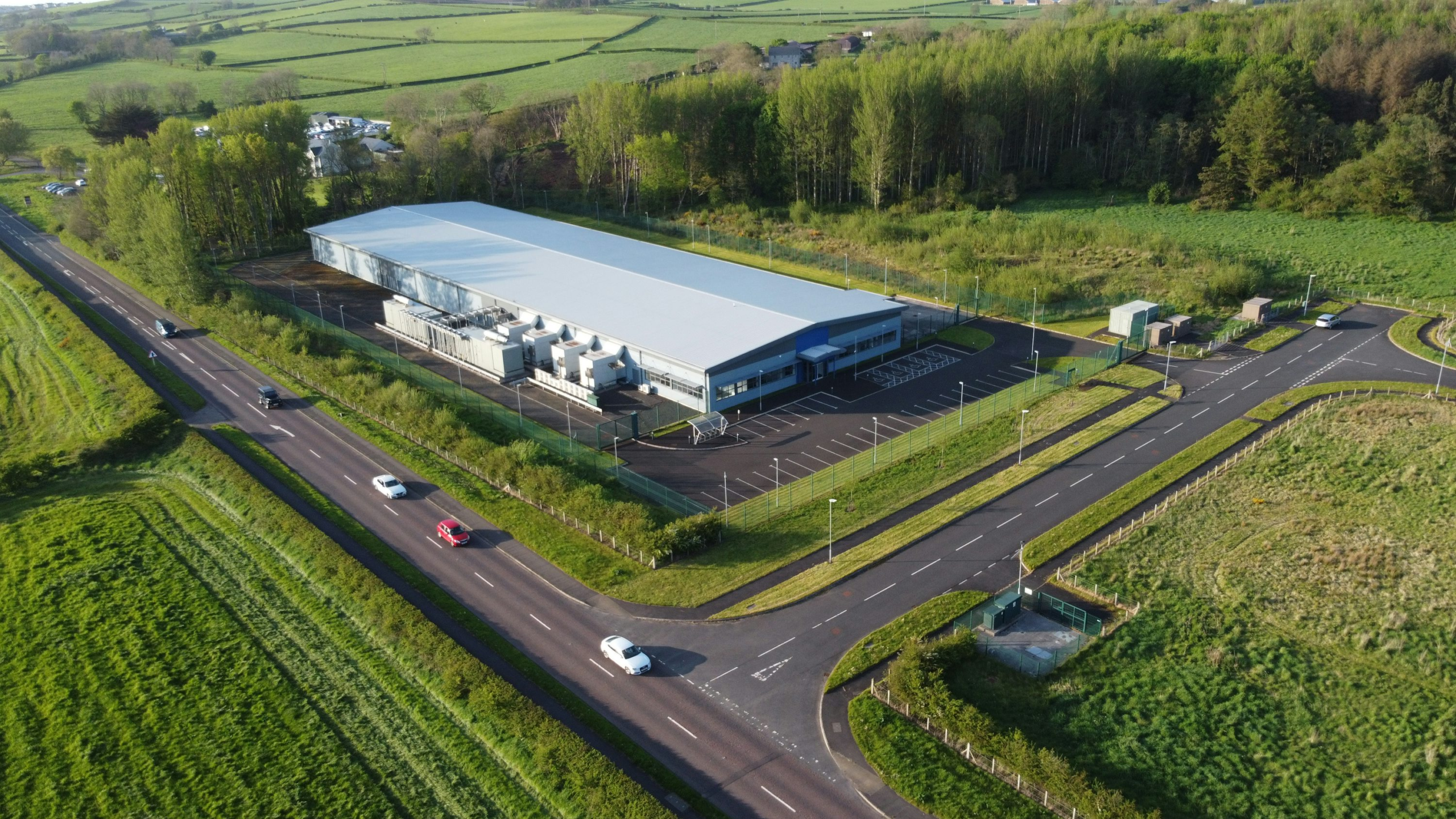
XTX Markets has opened its first owned data centre in Kajaani, Finland, establishing a permanent computing infrastructure base for the London-based algorithmic trading business following more than €400 million of construction investment.
The facility provides 22.5MW of IT power capacity across 15,000 square metres of floor space and occupies part of a 193-hectare campus where construction began in 2024. A second data centre is scheduled to become operational during 2027.
Although electricity supplies have been secured for both facilities, XTX has warned that delays in securing expropriation permits for electricity infrastructure threaten the planned commissioning of a third building in mid-2028. Construction of that facility is already underway, with further developments envisaged annually thereafter.
Mike Irwin, chief operating officer at XTX Markets, has criticised the difficulty of obtaining decisions and guidance concerning the necessary permitting processes, arguing that uncertainty over electricity infrastructure could affect subsequent investment commitments.
The company uses deep learning systems to analyse financial market information and generate price forecasts for financial instruments. Until the Kajaani opening, it accommodated its computing infrastructure within data centre space leased across Europe.
Ownership gives XTX direct responsibility for the design, deployment, and operation of facilities supporting those workloads. It can coordinate infrastructure investment more closely with the requirements of its computing equipment, while assuming responsibility for the associated capital expenditure, maintenance, and operational resilience.
Migrating an established computing environment
Establishing the first Kajaani facility has involved transferring an extensive computing and storage environment from leased infrastructure without disrupting the research activities it supports.
During one six-week stage of that migration, XTX relocated 417 petabytes of storage capacity. The operation involved 385 servers containing approximately 17,000 drives, with a combined equipment weight of 26 tonnes. The equipment was transferred from an existing facility approximately five kilometres away.
Relocating an operating storage environment differs substantially from installing entirely new equipment. Moving individual servers can temporarily reduce the resources available to connected applications, making the sequencing of equipment transfers particularly important where researchers require uninterrupted access to large datasets.
The migration also requires coordination between physical equipment handling, network connectivity, storage availability, and the commissioning of replacement infrastructure. XTX says it completed the work without downtime, while the six-week transfer formed only one part of its wider relocation programme.
Maintaining an operational campus introduces permanent workforce requirements alongside the initial construction activity. XTX has recruited more than 30 full-time employees in Kajaani, covering engineering, operations, security, and maintenance, with space for 50 permanent staff at the existing site.
The company is extending its relationship with Kajaani University of Applied Sciences through a €520,000 grant supporting improvements to the institution’s own data centre and the development of digital simulation and modelling capabilities.
The investment builds on earlier educational collaboration covering mechanical and building engineering, providing opportunities to train personnel in the infrastructure disciplines required as additional computing facilities become operational.
Electricity infrastructure limits further construction
XTX’s longer-term expansion depends on electricity infrastructure beyond the facilities currently being commissioned. A proposed 400kV transmission line between Suksisuo and Vuottolahti has already entered environmental assessment, with Kajaani’s municipal administration considering documentation concerning the project earlier this year.
Construction of new transmission infrastructure can require land access arrangements extending considerably beyond the development itself. Where routes cross land belonging to multiple owners, obtaining the necessary rights can become a significant component of the electricity infrastructure delivery timetable.
Developers must also accommodate environmental restrictions when establishing transmission and distribution routes. XTX previously adjusted underground cable routing at Kajaani to avoid identified wildlife habitats and temporarily paused power line construction activity to protect nesting birds.
Within the campus, the company says its cooling architecture operates without consuming water for cooling, reducing dependence on local water supplies as computing demand increases. Further development will nevertheless require additional electricity infrastructure capable of accommodating the associated computing and mechanical loads.
Uncertainty over the external electricity supply creates a commercial risk even where construction of the computing facilities themselves is progressing. A completed building cannot accommodate its intended computing load until sufficient power is available, potentially leaving investment in structures and equipment unproductive.
XTX has indicated that it remains willing to contribute financially towards broader infrastructure solutions in Finland. With the first facility now operational and electricity arrangements in place for the second, its next substantial development milestone will depend on whether the outstanding electricity infrastructure permitting processes can be completed in time to support the third facility’s planned opening.

