
Summary
- Generac disclosed the long-term Amazon supply agreement on 16 September.
- Initial generator deliveries in 2027 and 2028 are expected to total about $2.4bn.
- Further purchasing could take the agreement towards an $8bn threshold tied to warrant vesting.
Generac has signed a long-term agreement to supply backup-generation equipment for Amazon data centres, with initial deliveries scheduled for 2027 and 2028 expected to total about $2.4 billion.
The agreement was disclosed on 16 September rather than 21 September, when it received further specialist data centre coverage. Subsequent purchasing could take cumulative payments towards an $8 billion threshold over the longer term.
The distinction between those figures is important. About $2.4 billion represents the more defined initial delivery programme, while $8 billion is a potential longer-term purchasing level rather than revenue already guaranteed under an immediate order.
The agreement also includes warrants allowing an Amazon subsidiary to acquire up to about 1.69 million Generac shares. Vesting is linked in part to purchasing milestones under the supply arrangement.
The US-centred deal is relevant to European infrastructure because it shows the scale at which hyperscalers are securing parts of the electrical supply chain before new data centre capacity comes online.
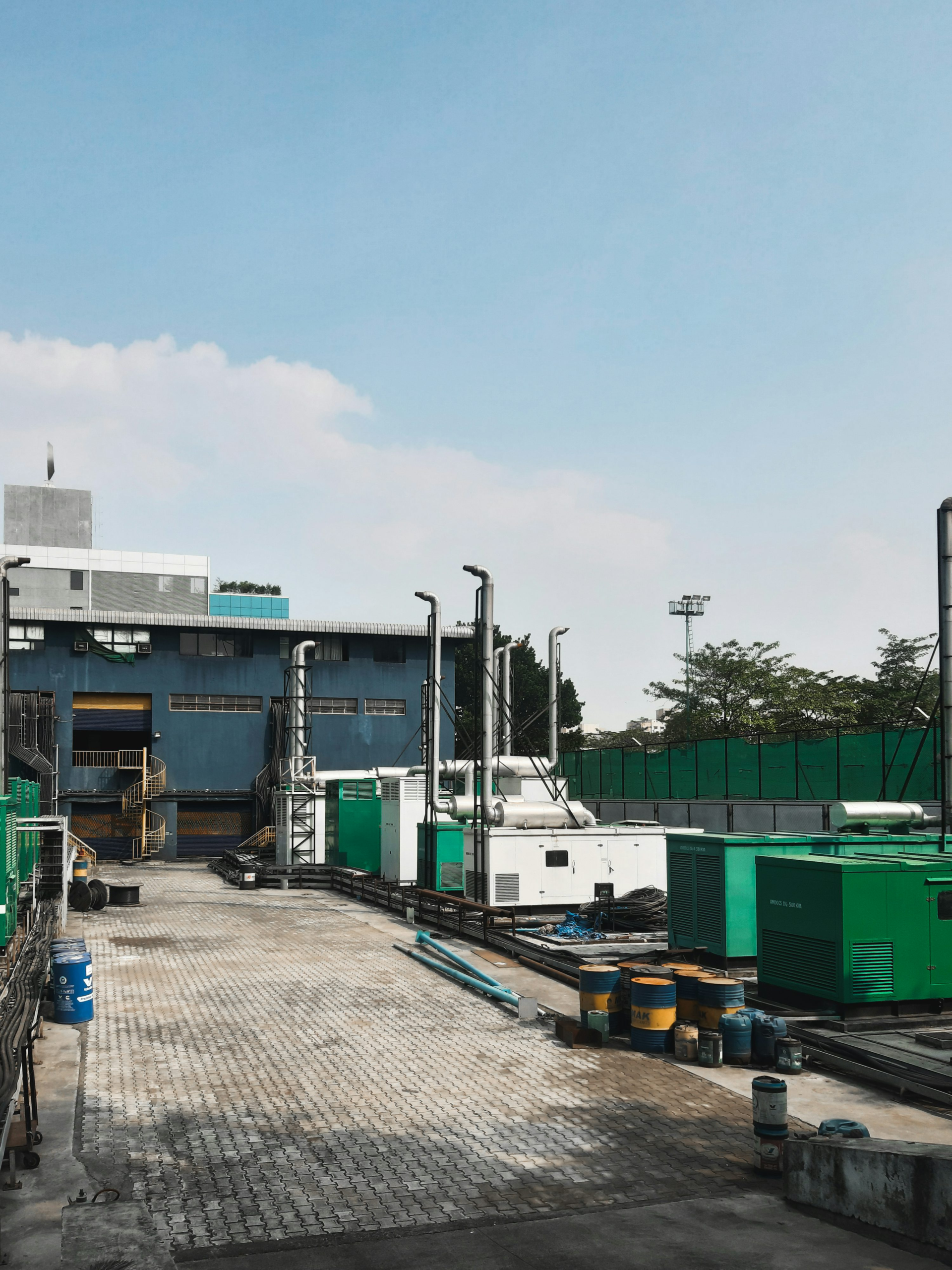
Backup generators normally sit outside the primary operating power path, but they remain central to the resilience design of large facilities. If the grid or upstream utility supply fails, standby generation must be capable of supporting critical load while the site’s electrical architecture manages the transition.
As campus loads rise into hundreds of megawatts, the amount of standby plant rises with them. That creates demand not only for generator sets but also for enclosures, switchgear, controls, fuel infrastructure, exhaust systems, and commissioning resources.
Generac has been increasing manufacturing capacity for large-megawatt systems as data centre demand becomes a larger part of its commercial and industrial business.
Long-term purchasing commitments can help equipment suppliers justify additional factory capacity because they provide visibility beyond individual construction projects. They can also reserve substantial production for the largest buyers before other developments reach procurement.
European data centres participate in many of the same global equipment chains. Even where complete generator packages are assembled regionally, engines, alternators, controls, and switchgear may depend on international manufacturing.
That means very large US procurement commitments can affect lead times and supplier allocation elsewhere, particularly where several hyperscalers are expanding simultaneously.
The agreement also illustrates how AI infrastructure expenditure is spreading well beyond processors. GPUs, servers, and networking hardware require buildings supplied by transformers, switchgear, UPS systems, generators, cooling plant, and grid infrastructure.
Generac’s execution risk now includes delivering the manufacturing capacity required to meet Amazon’s initial programme while continuing to serve other customers. For the wider sector, the $2.4 billion delivery commitment provides a clear measure of how much capital is flowing into resilience equipment behind the compute layer.

