
Summary
- Public consultation events scheduled for 7 and 8 December have been postponed.
- The Westerhill proposals incorporate a 300MW data centre campus and a 500MW battery energy storage system.
- The development occupies land partly within the Green Belt but identified for development within the Westerhill Regeneration Area.
Apatura has postponed public consultation events concerning its proposed Westerhill data centre campus in East Dunbartonshire, extending the timetable for community engagement over one of Scotland’s largest prospective computing infrastructure developments.
The events, originally scheduled for 7 and 8 December, are now expected to take place in early 2027. Revised dates will be established following further discussions with local stakeholders.
Apatura proposes developing a 300MW data centre campus alongside a 500MW battery energy storage system on land between Bishopbriggs and Lenzie. Part of the site lies within the Green Belt, although the developer identifies its location within the adopted Westerhill Regeneration Area as supporting the principle of development.
The consultation postponement comes amid growing local opposition to the scale and location of proposed data centres across Scotland. As DataCentral reported earlier this month, thousands of demonstrators gathered in Edinburgh on 14 November calling for greater public scrutiny of proposed computing infrastructure developments.
Apatura’s Westerhill consultation material distinguishes between the land identified for development and additional land within its ownership intended for biodiversity improvements. The eventual distribution of buildings, electrical infrastructure, access routes, and environmental mitigation remains subject to the planning process.
The postponement does not constitute a withdrawal of the proposals. Westerhill remains within Apatura’s development portfolio, alongside other prospective computing and electricity storage infrastructure projects.
Electricity storage alongside computing infrastructure
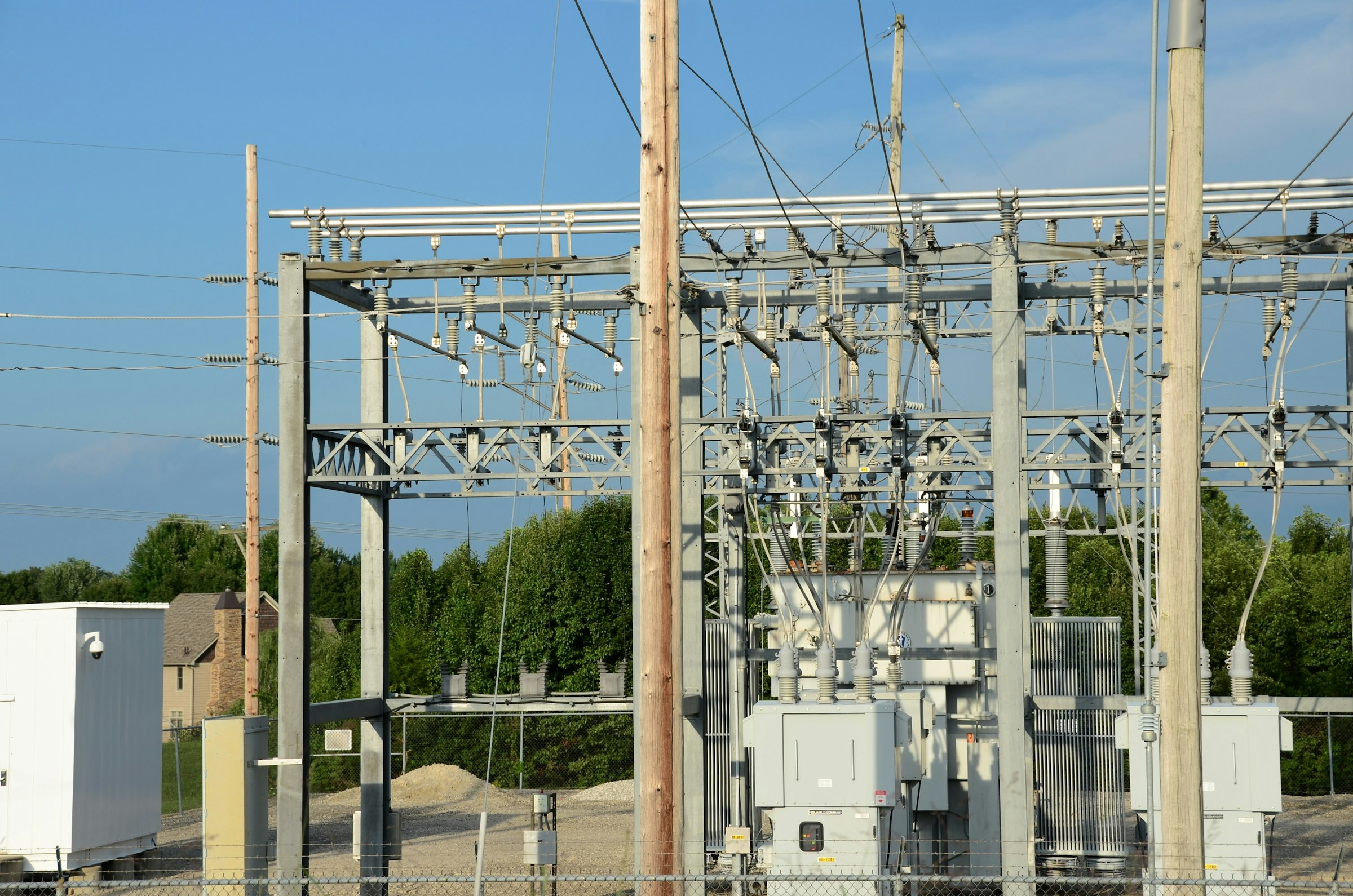
The proposed battery installation would introduce a substantial electricity infrastructure component alongside the data centre buildings. However, the two assets perform different functions and their respective power ratings cannot be combined to establish the computing capacity available at the campus.
A battery rated at 500MW describes its potential rate of electricity exchange rather than the amount of energy it can store. Its ability to maintain that output depends on its storage capacity, expressed in megawatt-hours, together with operating conditions and commercial commitments.
Integrating battery storage with large electricity consumers can create opportunities to manage variations in demand or participate in flexibility markets. Such arrangements depend on the electrical connection architecture and the commercial relationship between the storage operator, computing facility, and electricity network.
In particular, a battery participating in commercial electricity markets may not always be available to supply the associated data centre. Maintaining dedicated emergency power capacity requires arrangements that protect the necessary energy reserves against other operational commitments.
Apatura’s headline project figures do not establish the battery’s discharge duration or the extent to which it would directly support computing operations. More detailed electrical proposals will be necessary to establish the intended relationship between the installations and their respective network connections.
Assessing development within the regeneration area
The site’s relationship with the Westerhill Regeneration Area creates a planning question extending beyond the availability of development land. Regeneration objectives can encompass employment, transport infrastructure, environmental improvements, and alternative commercial activities, each of which may be affected differently by the construction of a large computing campus.
Data centres generally require considerable permanent mechanical and electrical infrastructure relative to their operational staffing levels. Employment associated with their construction may also differ substantially from the workforce necessary to operate completed facilities.
Assessing the economic contribution of the Westerhill proposals will therefore require consideration of construction employment, permanent technical positions, supplier expenditure, and the wider development opportunities identified for the regeneration area.
Environmental assessment must also account for the location of mechanical cooling equipment, electrical substations, energy storage installations, and the associated construction activity. Noise, landscape effects, transport access, and ecological mitigation will depend on the detailed configuration of those assets.
Public consultation before a planning determination provides opportunities for developers to address concerns through changes to project design and supporting infrastructure. It does not replace the formal assessment of planning policy, environmental effects, or electricity connection requirements.
The revised Westerhill consultation timetable leaves those questions unresolved into the new year. Apatura’s subsequent engagement will need to establish how the proposed computing and storage installations can be accommodated within the regeneration area, including the physical infrastructure and development conditions necessary for the project to proceed.

