
Summary
- The proposed campus covered about 270,000 square metres and was associated with investment of up to €3 billion.
- Local requirements addressed renewable power, cooling, noise, transparency, community safeguards, and a proposed financial guarantee.
- Continuing uncertainty prevented land, planning obligations, finance, and a delivery programme from being aligned.
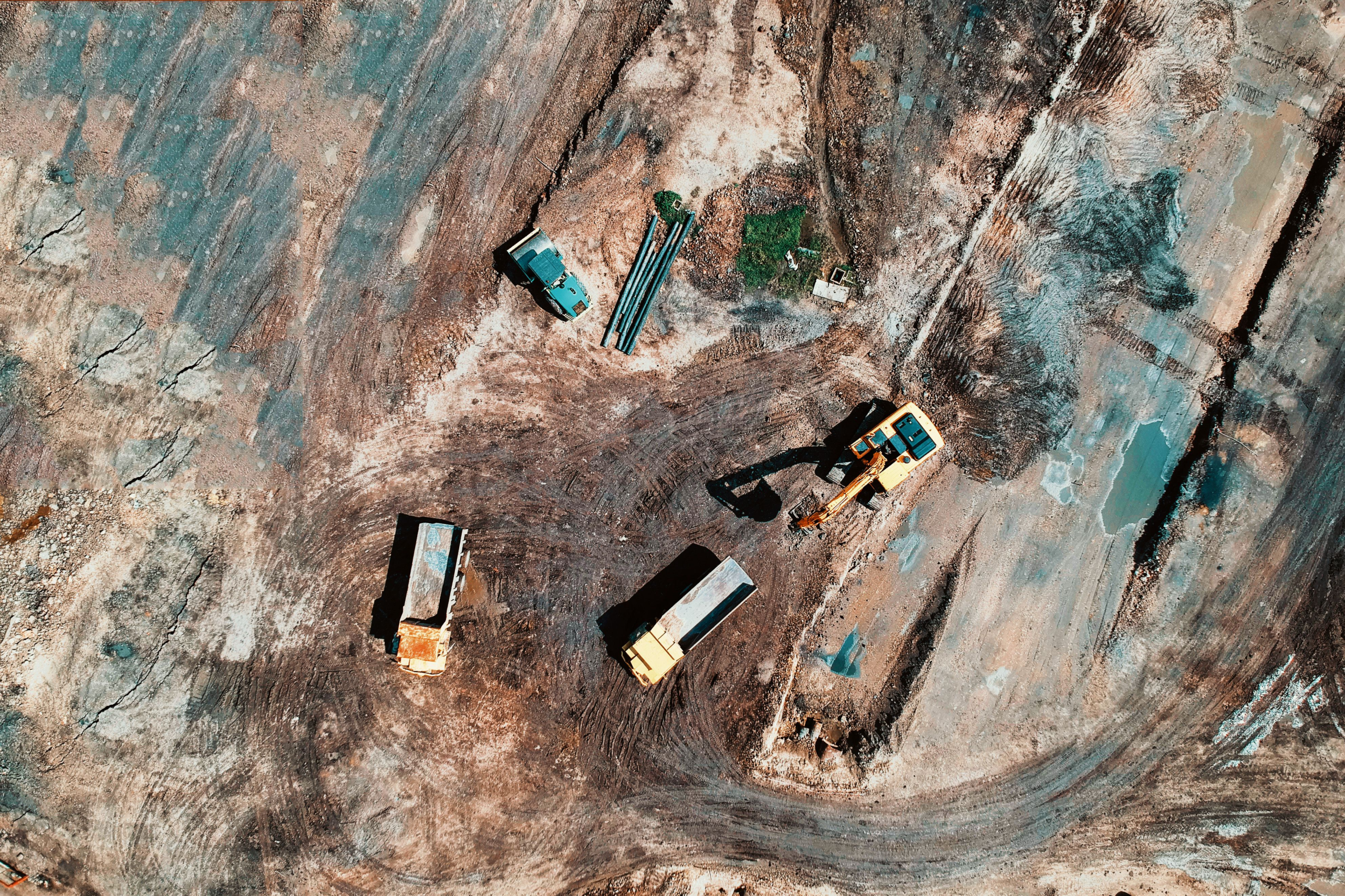
Stack Infrastructure will not proceed with a proposed data centre campus at a former industrial site in Babenhausen, Hesse, after the landowner ended the process and blamed continuing uncertainty around the local planning route.
The development had been associated with investment of up to €3 billion across approximately 270,000 square metres of land southeast of Frankfurt. Earlier estimates suggested that the completed campus could have supported as many as 200 permanent jobs, although Stack had not published a final power capacity or construction schedule.
Aumovio, which controls the former Continental site, concluded that the project could no longer be delivered reliably after an extended political and administrative process. The withdrawal removes a potentially large development from the Frankfurt region before a detailed capacity plan was secured.
Local discussions had covered renewable electricity, cooling and water strategy, noise controls, transparency, community commitments, and the financial security supporting future obligations. One proposal involved a guarantee of €250 million, introducing a substantial additional requirement before the project had reached construction.
Planning conditions become part of the capital structure
Large developments routinely carry obligations covering highways, drainage, landscaping, biodiversity, noise, employment, and environmental mitigation. Those requirements can be incorporated into a project when their scope, cost, responsibility, and release conditions are defined early enough.
Unresolved or changing obligations prevent the same calculation. Land value cannot be finalised, construction budgets remain provisional, lenders cannot assess their exposure, and customers cannot rely on a service date while material planning conditions continue to move.
A large guarantee carries consequences even when it is never drawn. It may require collateral, consume banking capacity, add fees, and affect the amount of capital available for construction. The legal drafting must also establish what performance is being secured, which organisation is responsible, and when the guarantee can be reduced or released.
Those questions are more difficult on a phased campus, where buildings, substations, cooling systems, and customer capacity may be delivered over several years. A condition appropriate to the completed masterplan may be disproportionate to the first phase if applied in full from the start.
Babenhausen also illustrates the difficulty of evaluating an infrastructure load through one municipality alone. Electricity demand, transmission reinforcement, water strategy, construction traffic, fibre routes, and economic effects can extend across a much wider territory than the planning boundary.
Frankfurt demand cannot compensate for an uncertain route
Frankfurt remains one of Europe’s principal data centre markets because of its financial sector, carrier ecosystem, cloud demand, and the network density surrounding DE-CIX. Those advantages have placed heavy pressure on suitable land and electricity infrastructure, prompting developers to examine sites further from the established cluster.
A peripheral location can provide a larger plot and fewer immediate neighbours, although the project may then require additional fibre routes, road works, substations, and local technical assessment. Municipalities encountering a campus of this scale for the first time may also need external engineering and environmental support.
Renewable procurement commitments can be addressed through power purchase agreements and other contracts, but authorities increasingly seek evidence that a project will contribute additional generation rather than rely only on certificates. Cooling proposals receive similar examination where water abstraction, plume, noise, or heat rejection could affect nearby communities.
Developers can reduce uncertainty by submitting detailed information on power, cooling, noise, phasing, and backup generation before the formal decision stage. Local government must still provide a stable process in which requirements are proportionate, technically coherent, and capable of being priced.
The cancellation leaves Aumovio with a substantial former industrial site and removes one route for its reuse. It also denies the municipality the construction work, tax base, and permanent roles that would have accompanied the campus, while avoiding the infrastructure and environmental effects raised during the debate.
Stack already has a presence in the Frankfurt market, so the withdrawal does not indicate a lack of regional demand. It indicates that demand alone cannot make a project executable when land agreements, planning conditions, grid access, and financial security cannot be brought into the same programme.
The proposed capacity will now have to be pursued elsewhere, probably against many of the same constraints. Suitable sites around Frankfurt are increasingly judged not by their headline acreage but by whether their planning, power, fibre, environmental, and commercial routes are sufficiently settled to support investment.

