
Summary
- BloombergNEF's 181GW figure is a global pipeline of proposed gas generation, more than 90% of which is in the United States.
- Its estimate of 345 million tonnes of annual US emissions is conditional on all identified US proposals being built and operated under its modelling assumptions.
- The research examines grid connection policy across 17 markets, including European approaches to reducing delays and dependence on dedicated generation.
BloombergNEF has identified 181GW of announced gas-fired generation proposed alongside data centre developments worldwide, indicating the scale of alternative electricity supply being considered as operators face delays obtaining grid connections.
More than 90% of the proposed capacity is in the United States. The remaining pipeline spans other markets, and the 181GW total must not be treated as European capacity or as generation already under construction.
The projects are at different stages of development and have varying proposed delivery dates. Some may never proceed. BloombergNEF explicitly describes the total as an indication of potential scale rather than a forecast of installations that will enter service.
The findings come from a report commissioned by Bloomberg Philanthropies, titled Powering the Data Center Boom: How Grid Policy Can Deliver Clean Power Faster.
BloombergNEF forecasts that global data centre electricity consumption could almost quadruple to approximately 2,354TWh by 2035, equivalent to around 7% of worldwide electricity demand under its modelling assumptions.
That projected increase is creating additional pressure on electricity networks, particularly where developers seek connections for facilities whose load requirements can reach hundreds of megawatts.
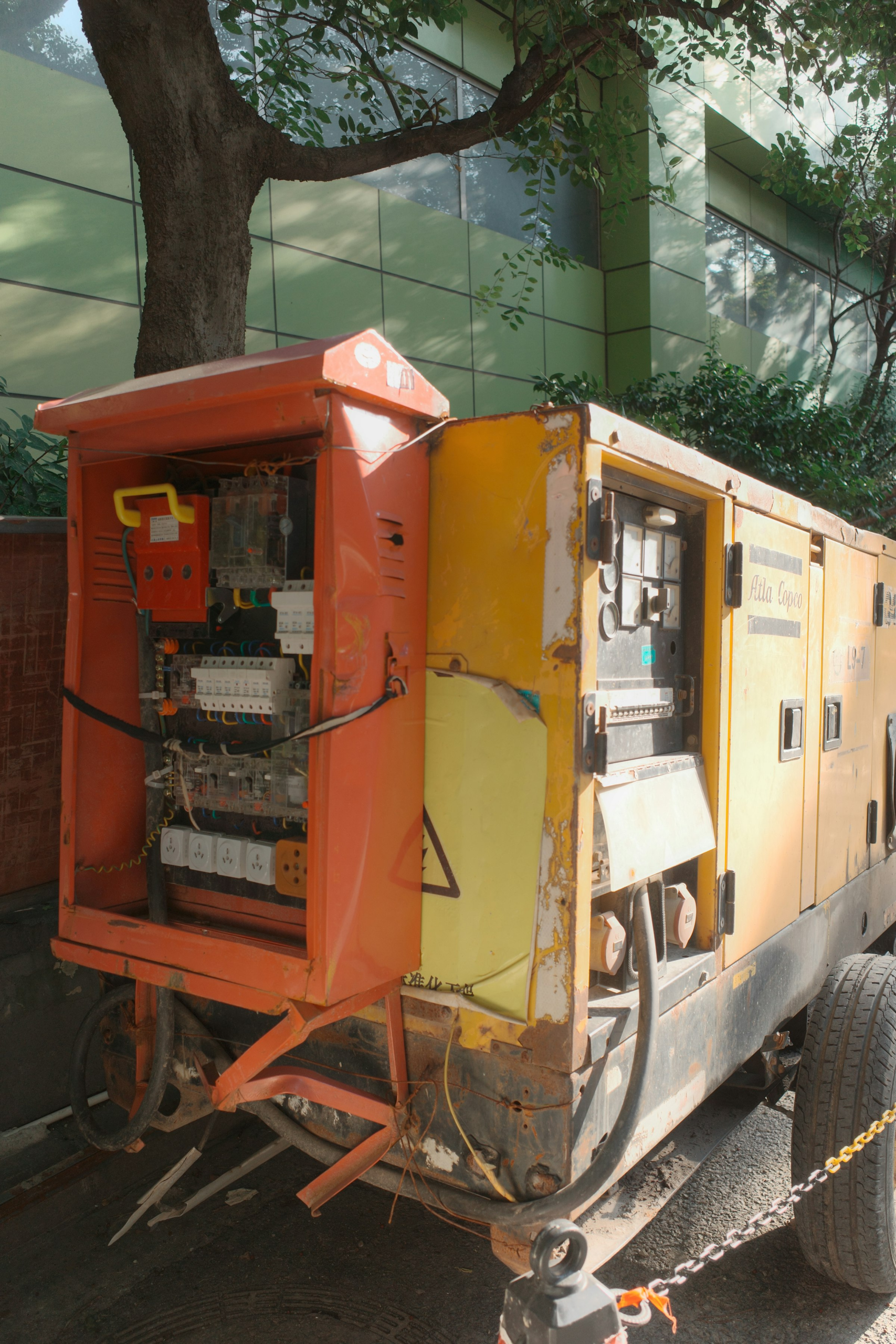
Some developers are considering dedicated gas generation because building a power plant alongside a computing facility may appear commercially preferable to waiting for network reinforcement.
However, installing generation equipment introduces requirements involving fuel supply, environmental permits, construction, emissions, maintenance, and operating costs. A proposed gas plant does not establish that a data centre can enter service independently of all other infrastructure constraints.
The emissions calculation is conditional
BloombergNEF estimates that if all announced on-site gas projects associated with US data centres were built and operated under its modelling assumptions, they would produce approximately 345 million tonnes of carbon dioxide equivalent annually.
That would be around 152 million tonnes more than supplying the same associated data centre demand using the average US grid electricity mix.
The calculation is a hypothetical scenario, not a measurement of current emissions or a prediction that every proposed plant will be commissioned.
The distinction between announced, permitted, under-construction, and operating capacity is particularly important in a market where developers may identify several alternative electricity strategies before making a final investment decision.
Some proposals may also change as network connections become available, generation costs shift, or projects fail to secure customers and financing.
BloombergNEF identifies a further risk where dedicated gas plants are developed as temporary solutions. Once equipment is installed and capital has been committed, its operating economics may favour continued generation even after the associated facility gains access to the grid.
That could extend the emissions consequences beyond the period originally envisaged by the developer.
The comparison with network electricity also depends on the generation mix in each market. In the United States and Europe, BloombergNEF generally finds lower emissions from grid electricity than dedicated gas generation under current conditions. Markets relying more heavily on coal can produce different comparisons.
Neither connection to the grid nor the installation of renewable generation automatically establishes the emissions profile of an individual computing facility. Actual electricity supply, utilisation, operating hours, and the sources of generation must all be considered.
European connection rules influence power choices
Although the proposed gas pipeline is overwhelmingly concentrated in the United States, the underlying question of obtaining timely electricity connections is directly relevant to European data centre development.
BloombergNEF examines electricity connection policies across 17 markets. The approaches reviewed include financial commitments from developers, flexible connection arrangements, designated development zones, faster administrative processes, and measures supporting clean electricity procurement.
Connection queues can contain projects with different levels of commercial maturity. Requiring credible development commitments may help utilities distinguish proposals likely to proceed from applications that reserve capacity without a firm delivery programme.
Flexible connection arrangements present another option. They can allow some demand to connect before unrestricted network capacity becomes available, subject to conditions on consumption during periods of constraint.
The suitability of that approach depends on the computing workloads involved. Some processing can be rescheduled, reduced, or transferred between locations. Other services need continuous operation and must maintain sufficient electricity supply and resilience during network restrictions.
The physical network also needs to accommodate changes in consumption without compromising electricity system performance. Connection rules alone cannot replace transformers, substations, transmission reinforcement, or generation infrastructure where those assets are required.
In the UK, strategic electricity demand connection reforms are intended to improve how capacity is allocated to major developments, with implementation details still influencing the eventual outcome.
Norway has separately suspended new data centre grid reservations while technical requirements are developed to protect network stability from large computing loads.
Those developments illustrate different aspects of the European connection problem: deciding which projects obtain capacity, maintaining secure system operation, and funding the infrastructure required to accommodate additional demand.
Faster connections could reduce the commercial attraction of dedicated generation at some facilities. However, the report also emphasises that continued decarbonisation of electricity networks remains necessary if additional computing demand is to be supplied with lower emissions.
BloombergNEF cautions that several connection reforms are too recent for their effectiveness to be established through extensive operating evidence.
The 181GW pipeline therefore illustrates the scale of announced developer interest in gas generation, not the amount that regulators have approved or utilities will ultimately connect.
Its environmental consequences will depend on which projects receive investment, which plants enter service, how frequently they operate, and whether alternative grid connections and cleaner electricity supplies become available.

