
Summary
- DKRZ has awarded Bull a €40m contract covering a supercomputer, storage, and five years of support.
- HLRE-5 is expected to become available in early 2028 and run two simultaneous global climate simulations at five-kilometre resolution.
- Energy use per simulated year is projected to fall by approximately 75%, with more waste heat available for reuse.
The German Climate Computing Centre (DKRZ) has awarded Bull a €40 million contract for its next supercomputer, combining more powerful climate modelling with direct liquid cooling and expanded waste heat recovery.
The HLRE-5 installation is expected to become available to researchers in early 2028. Based on Bull’s Sequana XH3500 platform, the system will support numerical Earth system simulations and artificial intelligence applications used in climate research.
The procurement covers the computing system, storage infrastructure, and five years of support. Funding comes principally from the Helmholtz Association, the Max Planck Society, and the City of Hamburg, with additional resources from the Max Planck Society and Germany’s Federal Ministry of Research, Technology and Space supporting an expansion of the planned installation.
DKRZ expects HLRE-5 to run two global climate simulations simultaneously at a spatial resolution of five kilometres. Compared with the existing Levante supercomputer, the new system is projected to consume approximately 75% less energy per simulated year.
The efficiency figure relates to the amount of computing work performed, rather than the centre’s total electricity consumption. A faster supercomputer may perform substantially more scientific calculations, meaning annual site demand will also depend on workload volumes, utilisation, and operating arrangements.
Climate simulations require extensive computational resources because they divide the physical environment into numerical representations of atmospheric, oceanic, terrestrial, and other processes. Reducing the size of individual grid cells can improve spatial detail but increases the volume of calculations required.
Higher computing performance therefore creates opportunities for more detailed research while placing demands on electrical and cooling infrastructure. Processor efficiency, system architecture, and thermal management determine how much useful modelling work can be completed within available energy resources.
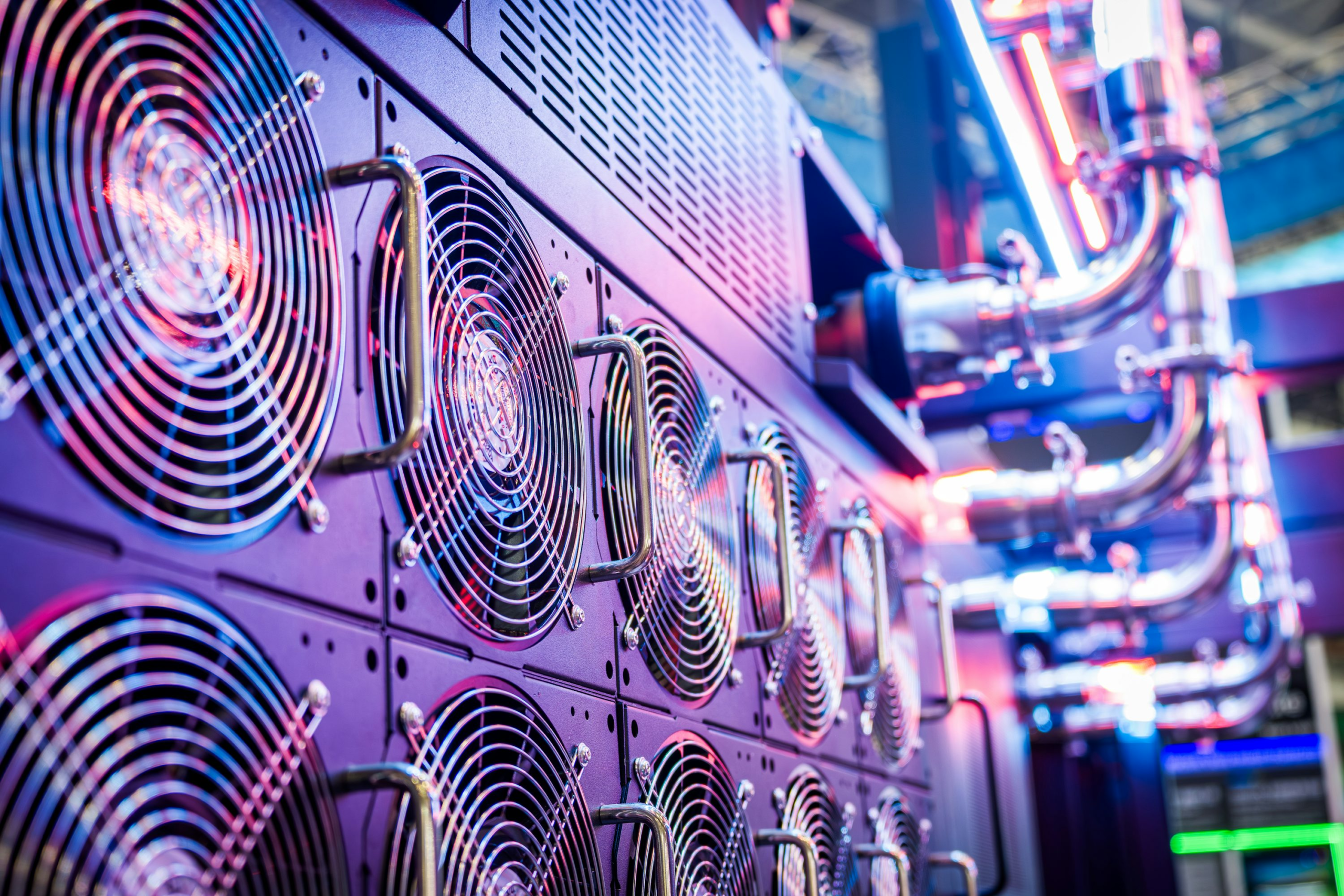
DKRZ will continue using Bull’s direct liquid cooling technology, which circulates warm water through the computing nodes in a closed circuit. Heat is transferred into the cooling system close to the components producing it, reducing reliance on moving large volumes of air through the computing equipment.
The use of warm water also creates opportunities for heat recovery. A cooling system capable of collecting heat at a useful temperature can supply other buildings if appropriate distribution infrastructure and receiving systems are available.
DKRZ already supplies part of its recovered heat to the neighbouring Chemistry Department at the University of Hamburg. The HLRE-5 installation will involve modernisation of the cooling infrastructure so that a larger proportion of the available heat can be recovered.
The university intends to extend utilisation to additional buildings on and around its KlimaCampus. The quantity ultimately supplied will depend on operating temperatures, thermal demand, network arrangements, and the performance of the completed installation.
Heat recovery from computing equipment is increasingly relevant to facilities located close to district heating networks or substantial institutional heat demand. The feasibility of individual schemes depends on the temperature of the recovered fluid and whether consumers require heat at the times it becomes available.
Where recovered heat is at a lower temperature than the receiving heating system needs, additional equipment may be required to raise its temperature. Such arrangements introduce their own electrical requirements and must be assessed against the overall energy benefit.
DKRZ’s existing connection to the university provides an established destination for recovered heat, rather than leaving the project dependent on securing an entirely new customer after commissioning.
The contract does not yet establish the measured operating efficiency or annual heat output of HLRE-5. Those figures will depend on the installed system and its subsequent research workloads.
The procurement nevertheless provides a defined engineering and delivery programme, with the next significant milestones involving installation, cooling infrastructure upgrades, and commissioning ahead of researcher access in early 2028.

