
Summary
- Petitions opposing the Timrå project have collected more than 18,000 signatures.
- The development has been associated with a proposed 1,000MW capacity figure.
- Residents are questioning the consultation process, infrastructure requirements, and likely number of permanent jobs.
Four petitions opposing Google‘s planned data centre at Torsboda in northern Sweden have attracted more than 18,000 signatures, as residents question the scale of the development and the decisions made by local authorities.
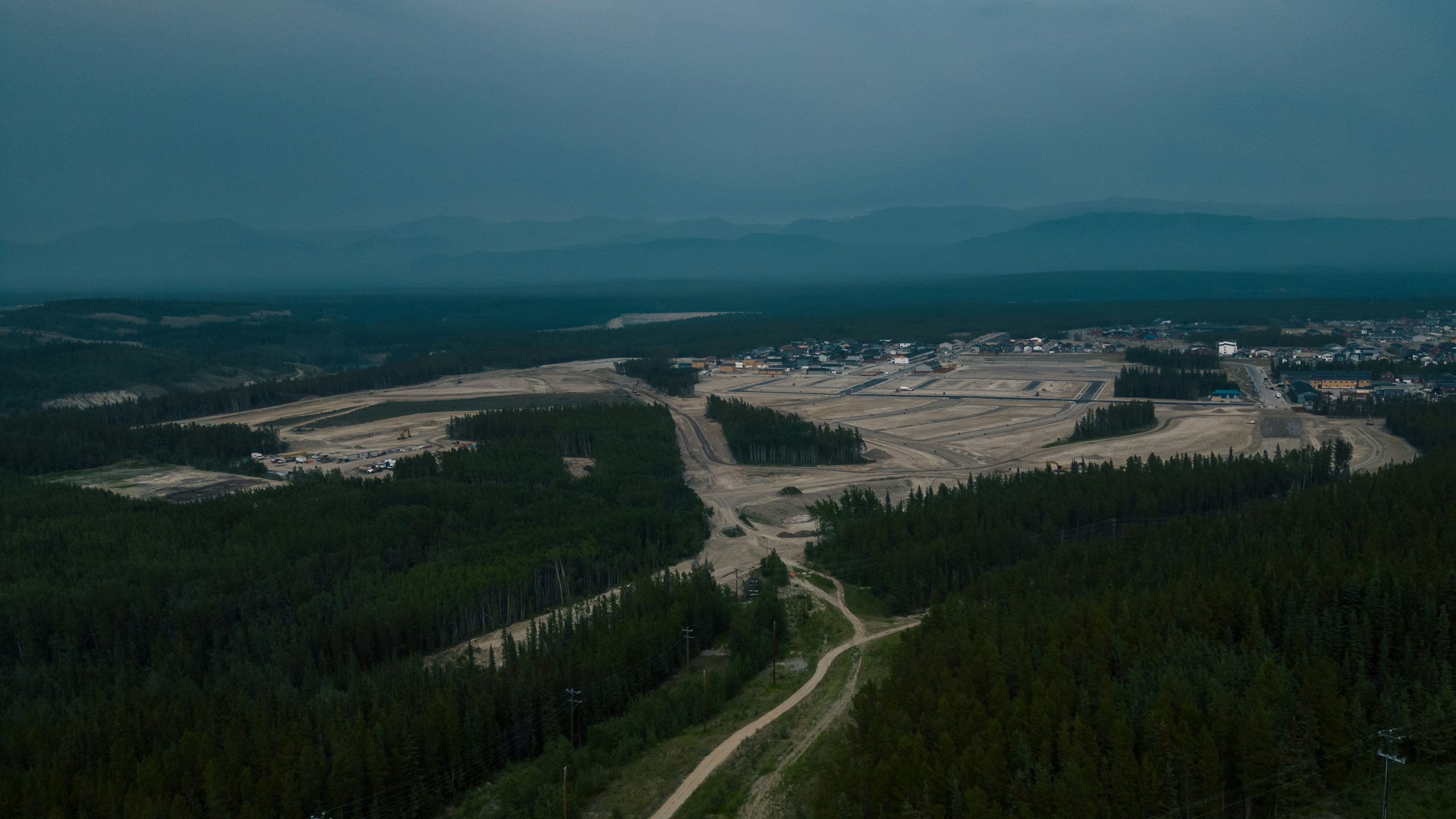
The proposed facility is associated with the Torsboda industrial park in Timrå municipality, where Google has been advancing plans for a large computing campus.
Swedish reporting published on 9 November describes opposition focused on electricity requirements, the consultation process, environmental effects, and expectations concerning permanent employment.
The development has been associated with a possible electrical capacity of 1,000MW. That figure concerns the proposed scale of the project rather than operating electricity consumption or commissioned computing capacity.
The petitions have been organised by residents concerned about the pace at which decisions were taken and the information available to communities before the development advanced.
Leonard Brunn, a resident of Sundsvall, started the first petition during the summer. Three further campaigns followed, collectively securing more than 18,000 signatures.
Particular criticism has concerned municipal decisions made during August, when many residents were away on summer holidays.
Opponents argue that the scale of the project warranted greater public scrutiny before land and development arrangements were advanced.
Authorities in Timrå and neighbouring Sundsvall have defended their approach, presenting the proposal as an opportunity to attract investment to an industrial area.
Local reporting also describes disagreement over expected employment, with campaigners questioning whether the permanent jobs created would match earlier expectations attached to industrial investment in the region.
Electricity demand requires further scrutiny
A data centre campus with a potential electrical requirement approaching 1GW would represent a substantial infrastructure development.
However, the difference between proposed capacity, an allocated grid connection, installed computing equipment, and actual consumption is essential when assessing its impact.
A developer may propose a campus capable of accommodating a large electrical load without having secured or commissioned that full capacity.
Delivery would depend on connection agreements, available network infrastructure, construction phases, and the schedule for installing and operating computing equipment.
Any necessary reinforcement of the regional electricity system would also affect the development programme.
The extent to which those requirements would affect other users cannot be established simply by comparing the headline capacity with the electricity consumption of an existing industrial site.
Network configuration, available generation, and the timing of demand all influence whether new connections can be accommodated.
Cooling requirements likewise depend on the eventual equipment density and thermal design.
A large facility using predominantly liquid cooling may have a different combination of electrical and water requirements from one relying mainly on air cooling or evaporative systems.
Without the final technical specifications, it is not possible to calculate the project’s future freshwater consumption or recoverable heat output from the proposed electrical capacity alone.
Employment projections remain contested
The dispute also highlights the difference between employment created during construction and the permanent workforce required to operate a completed data centre.
Large projects can support substantial temporary activity through civil engineering, electrical installation, mechanical construction, and specialist equipment commissioning.
Permanent operational employment depends on the facility’s configuration, maintenance arrangements, security requirements, and level of automation.
Campaigners have questioned whether earlier regional employment expectations can realistically be achieved through the proposed development.
Local reporting has referred to an estimate of around 50 permanent roles, although that number should not be treated as an independently verified final employment commitment.
The project’s development would also depend on planning and other regulatory decisions, including any outstanding challenges to municipal land arrangements.
Petition signatures demonstrate the scale of organised opposition but do not establish that a permission has been cancelled or that the development is legally prohibited.
Further clarity will depend on disclosure of the project’s infrastructure arrangements, operating assumptions, and the outcome of continuing administrative and legal processes.

