
Summary
- Hassan Allam Digital Infrastructure has signed a licence agreement with Egypt’s telecoms regulator.
- The company plans an initial $400m investment through a strategic partnership with A15.
- Egypt’s data centre appeal rests on domestic cloud demand, digital sovereignty, power strategy, and international connectivity routes.
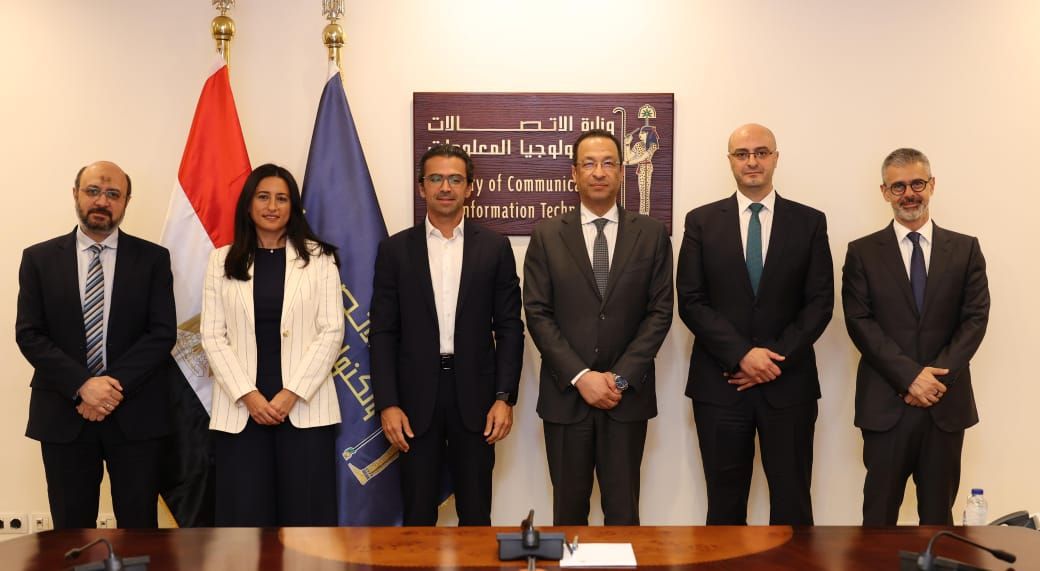
Hassan Allam has launched Hassan Allam Digital Infrastructure after signing a licence agreement with Egypt’s National Telecommunications Regulatory Authority to establish and operate data centres and provide cloud computing services.
The group is developing the platform through a strategic partnership with A15, an Egyptian venture capital and technology firm. Hassan Allam says the business will support demand for data centre services, cloud computing, artificial intelligence applications, and Egypt’s wider data-driven economy, backed by an initial $400m investment.
The company has published a launch update confirming the licence agreement and platform. Details on site location, capacity, power strategy, cooling approach, certification, and delivery timetable have not yet been disclosed.
An infrastructure group enters digital infrastructure
Hassan Allam’s background gives the move a different profile from a pure cloud services launch. The group has deep roots in engineering, construction, investment, and infrastructure development. That experience is relevant because data centres are capital-intensive physical assets before they become cloud platforms.
The early licensing milestone places the platform inside Egypt’s wider push to build regulated data centre and cloud services capacity. Domestic cloud infrastructure can support public-sector workloads, financial services, local businesses, AI applications, and international customers that need regional hosting options.
The initial $400m investment is material for Egypt’s market, even though it sits below the scale of the largest European and US hyperscale campus announcements. The scheme’s commercial significance will depend on what kind of capacity is delivered: enterprise colocation, government cloud, hyperscale-ready infrastructure, managed cloud services, or a hybrid of those models.
The missing technical details will shape the story from here. Megawatts, redundancy level, power source, backup strategy, cooling design, network access, certification, and customer commitments will determine whether the platform becomes a regional infrastructure asset or remains a licensing and investment headline.
Egypt’s route value sits beyond its borders
Egypt’s wider strategic appeal rests partly on geography. The country sits on important connectivity routes between Europe, Africa, the Middle East, and Asia. Subsea cable corridors, regional cloud demand, and digital sovereignty ambitions can all strengthen the case for new data centre investment if power and regulatory conditions are credible.
European relevance is indirect but real. Cloud and content providers serving EMEA markets need infrastructure that can support regional latency, data localisation, resilience, and route diversity. Egypt’s ability to attract workloads will depend on confidence in connectivity, electricity reliability, political and regulatory stability, security, and operational quality.
Power will be one of the main tests. Data centres need stable electricity, clear connection capacity, backup resilience, and a path for expansion. Egypt has renewable-energy ambitions and significant energy infrastructure, but each project still needs a site-level power strategy that works under commercial and operational stress.
The platform also reflects a wider investment pattern. Contractors, infrastructure groups, utilities, and real estate investors are entering data centres because compute demand now looks like a long-term infrastructure market. That brings delivery capability, although it also exposes new entrants to uptime, cyber security, commissioning, and facility operations risks that are specific to digital infrastructure.
Hassan Allam’s next disclosures will determine the strength of the project. Capacity, customer type, power design, cooling, resilience, and construction timing will decide whether the $400m commitment becomes a regional data centre story with EMEA relevance. The licence gives the platform permission to start; the engineering and commercial details will show what it can become.

