
Summary
- Fortescue correspondence referred to large-scale data centre opportunities at Holmaneset in western Norway.
- The formal project remains a 300MW green-hydrogen and ammonia development pending approvals and a final investment decision.
- Any material change of use could affect the site’s conditional power contract, EU Innovation Fund support, permits, and local economic case.
Fortescue has raised the possibility of large-scale data centre development at Holmaneset in western Norway, where the company has been advancing a 300MW green-hydrogen and ammonia project.
The prospect appeared in correspondence from executive chairman Andrew Forrest to Norway’s prime minister, obtained by The Australian, which referred to opportunities at the site including data centres and projects converting electricity into fuels or other molecules.
Fortescue says the formal Holmaneset proposal remains focused on green hydrogen and ammonia, subject to regulatory approvals and a final investment decision. No data centre capacity, operator, tenant, technology partner, grid allocation, or planning application has been announced.
One power allocation, two industrial models
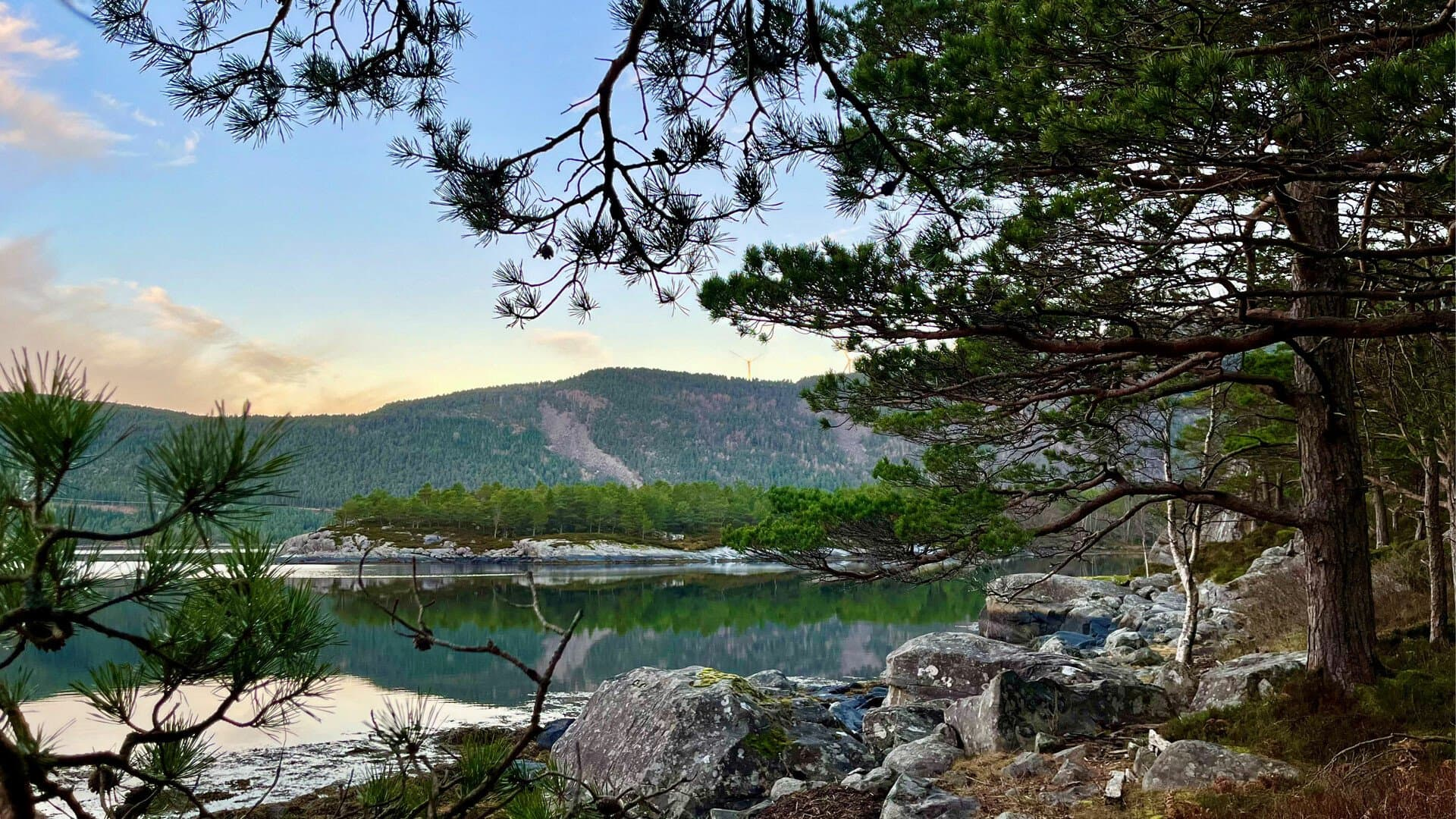
The Holmaneset project is planned beside the Nordgulen fjord, around eight kilometres west of Svelgen in Bremanger municipality. Fortescue’s published design is intended to consume approximately 300MW and produce more than 40,000 tonnes of green hydrogen and 225,000 tonnes of green ammonia annually.
The EU Innovation Fund awarded the project €203.766 million, while a conditional power agreement with Statkraft was renegotiated in 2025. The contract is intended to provide renewable electricity for ten years once its conditions are satisfied.
A data centre would use the site’s power, land, and network position differently. Hydrogen production converts electricity into a transportable fuel through electrolysis and further processing, while a data centre converts electricity into computation and rejects the resulting heat locally.
The hydrogen facility requires electrolysers, air separation, synthesis plant, storage, port infrastructure, and export logistics. A data centre needs substations, secure buildings, diverse fibre, cooling, backup systems, and customers prepared to install computing equipment. Much of the site work completed for one use would need to be redesigned for the other.
Both developments could create industrial activity, yet their employment and supply-chain profiles would differ. An ammonia plant has process, maritime, and maintenance requirements, while a data centre concentrates work during construction and then relies on a smaller technical operations team.
Fortescue’s correspondence indicates that alternative uses are being considered around the site’s energy position. It does not show that the green-ammonia project has been replaced or that a data centre proposal has reached formal development.
Public support would need to follow the asset
The EU grant was awarded against a defined emissions-reduction and fuel-production case. Redirecting a material part of the site towards computing could require the funding terms, permits, and benefit calculations to be revisited.
The Statkraft contract may also contain conditions linked to the customer, load, project milestones, and intended industrial use. Neither company has said whether the supply could be transferred to a data centre development or divided between different projects.
Norway’s renewable electricity is attracting competing demand from electrification, metals, hydrogen, batteries, and data centres. New large-load applications have prompted debate over which projects provide the strongest national and regional return from limited network capacity.
Holmaneset’s location offers access to low-carbon power and a cool coastal climate, but a data centre would still need a full connectivity and cooling case. At least two physically separate high-capacity fibre routes would be required, while the coastal environment introduces corrosion, weather exposure, and maintenance considerations.
Low ambient temperatures could support efficient heat rejection for much of the year. Water use, marine interfaces, noise, and the treatment of waste heat would depend on the cooling architecture and the density of the eventual computing equipment.
Heat reuse would require a nearby customer capable of accepting the quantity and temperature available throughout the year. The relatively remote location may limit conventional district-heating opportunities, although industrial processes, aquaculture, or other local uses could be examined.
The power profile of an AI campus may also differ from the relatively steady load expected from electrolysis. Training clusters can produce faster load changes, requiring the grid connection, internal electrical controls, and any storage system to respond without affecting voltage or frequency.
Fortescue has completed enough work at Holmaneset to establish the site as a serious industrial proposal, including power negotiations, environmental studies, and public funding. Those foundations could reduce part of the early development burden for another use, but they do not amount to a data centre design.
A formal planning submission, revised power agreement, operator partnership, or customer commitment would move the data centre option beyond correspondence. Until then, Holmaneset remains a proposed green-ammonia facility whose land and 300MW energy requirement have opened a wider discussion over how the site might ultimately be used.

