
Summary
- FRA03 will provide 16MW of IT capacity across six rooms and 7,680 square metres of technical space.
- The first construction phase is complete, with the remaining phase scheduled to finish during 2026–27.
- The facility combines air and liquid-cooling options with renewable electricity and planned local heat recovery.
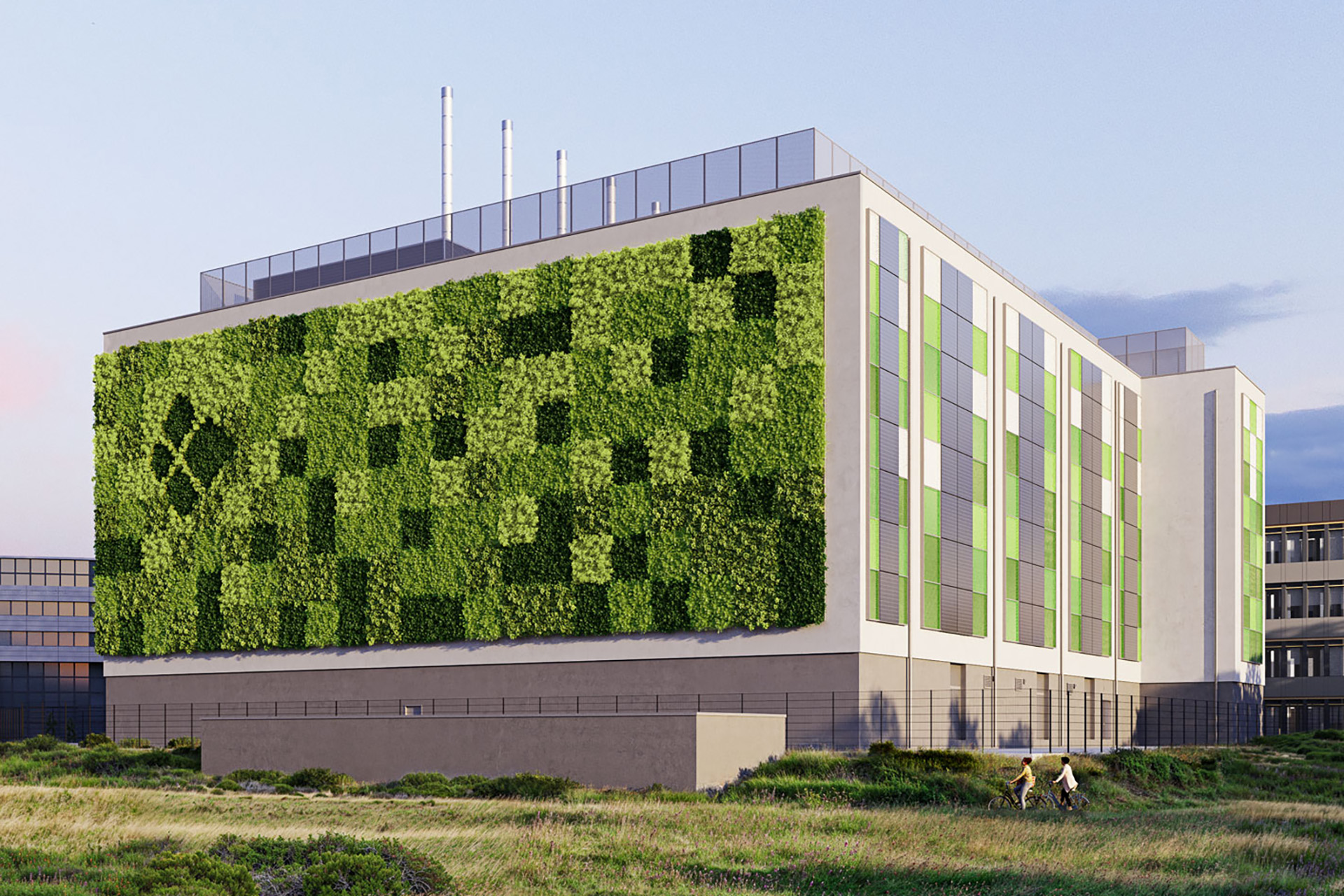
Maincubes has completed the first construction phase of its FRA03 data centre in Schwalbach am Taunus, bringing the first portion of a planned 16MW facility into usable condition near Frankfurt.
The completed building phase forms part of a three-storey data centre containing six IT rooms and 7,680 square metres of technical space. Maincubes describes the site as operational, while its remaining construction phase is scheduled for completion during 2026–27.
Construction began in the fourth quarter of 2024, and a second phase started during the third quarter of 2025. The operator said the first phase concluded in June 2026, after the building reached its topping-out milestone a year earlier.
FRA03 occupies a 17,000-square-metre plot at a former Samsung property. The building covers approximately 27,000 square metres and is being positioned for cloud, high-performance computing, and higher-density AI deployments.
Cooling flexibility follows higher rack loads
Maincubes is offering both conventional air cooling and liquid-cooling configurations at FRA03. Its published technical information describes cold-aisle containment for air-cooled deployments.
Those features reflect a market in which data halls can no longer be designed around a single rack-density assumption. Customers may require conventional enterprise or cloud configurations in one room and substantially denser high-performance systems in another, changing pipework, power distribution, floor layouts, and commissioning requirements.
FRA03’s carrier-neutral design includes separate and redundant cable-entry points. Maincubes is also offering racks, cages, suites, connectivity, and remote-hands services, allowing the operator to divide the building between customers with different security, scale, and density requirements.
The company states that the facility will be supplied with renewable electricity under a long-term power purchase agreement. It also intends to feed recovered heat into a local heating network, although the practical value of that system will depend on a connected heat customer, seasonal demand, temperature levels, and the data centre’s operating profile.
Frankfurt capacity arrives in stages
Completing the first module adds physical capacity to one of Europe’s largest and most constrained data centre markets. Frankfurt’s network density and cloud presence continue to attract development, while access to electricity, land, planning consent, and delivery labour determine how quickly proposed megawatts reach service.
A phased build allows Maincubes to commission usable space before every room is complete. It can also align later fit-out with customer requirements rather than installing all technical systems against a single speculative design.
The trade-off is that the project remains a live construction environment. The first phase can be handed over and operated only if the boundary between commissioned and unfinished areas is tightly managed across access, fire systems, electrical distribution, cooling, controls, and contractor activity.
Maincubes has further Frankfurt projects in its pipeline. FRA04 is planned at 40MW, while the proposed FRA05 campus has been associated with 75MW. The operator is also developing much larger capacity outside Berlin, extending a portfolio that already includes operational facilities in Frankfurt, Berlin, and Amsterdam.
FRA03 is therefore both a delivery milestone and a test of how the company handles mixed-density capacity at scale. Its published specifications cover renewable power, heat recovery, and liquid cooling, but measured performance will emerge only as customers occupy the rooms and the second phase is completed.
The immediate development is narrower: the first portion of the 16MW site is ready for use. The remaining programme will determine when the full six-room facility moves from construction schedule to available Frankfurt capacity.

