
Summary
- National Grid signed a deal for more than 70 acres at Dorman Point.
- The proposed substation would serve a possible major data centre development.
- The 3.2GW ambition is prospective, not commissioned or contracted capacity.
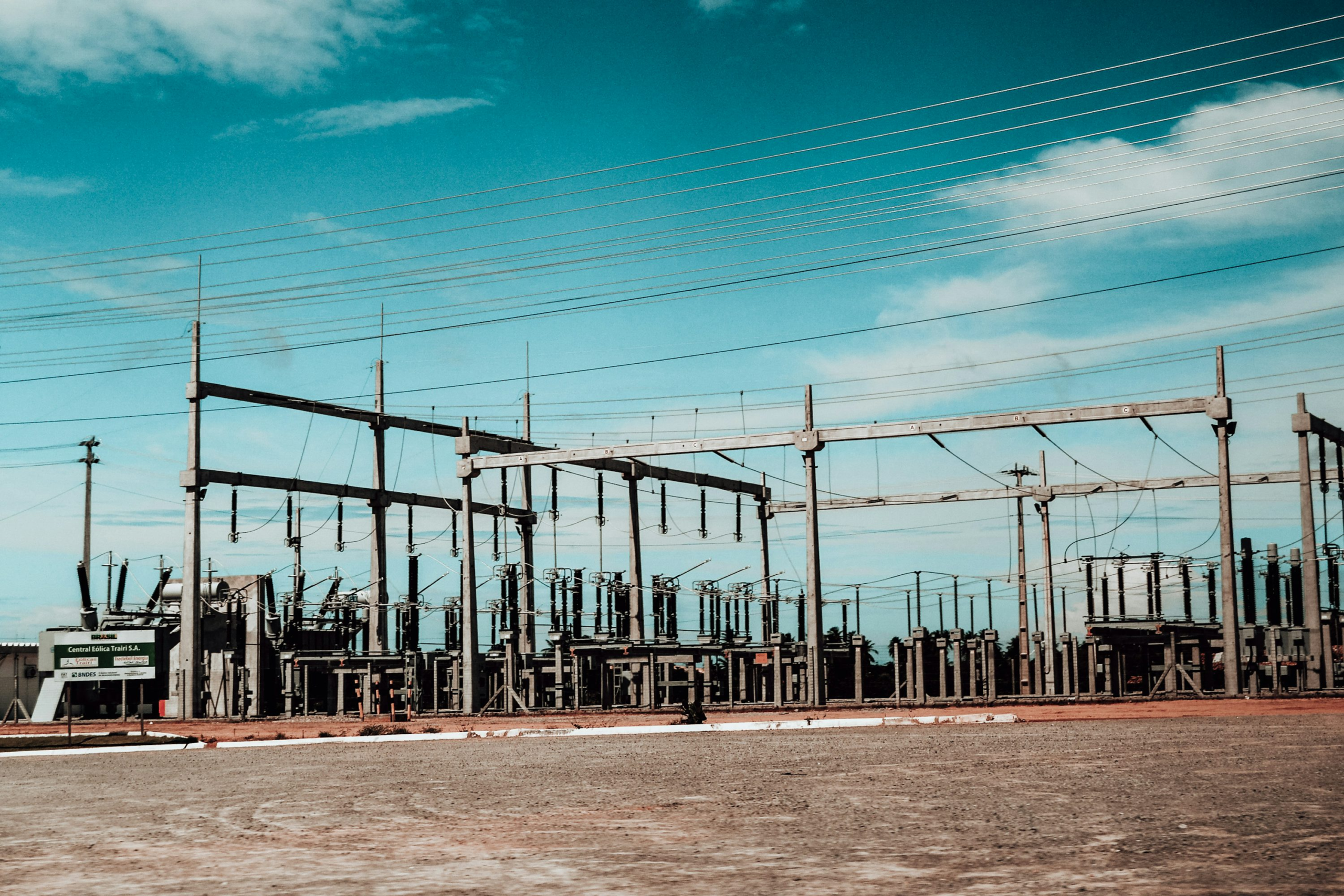
National Grid Electricity Transmission has signed a deal to acquire more than 70 acres of land at Dorman Point on Teesside for a proposed electricity substation intended to serve future industrial development and a potential large data centre campus.
The agreement concerns land within Teesworks, a former industrial estate undergoing redevelopment. Reporting on 1 November identifies plans for what could become Britain’s largest substation, although the eventual engineering configuration, construction award and operating capacity have not been confirmed.
National Grid signed the land deal during the preceding week. The proposed electrical infrastructure would support the development of a neighbouring data centre complex that has reportedly attracted interest from major technology companies. No final computing occupier or commitment to build the campus has been verified.
Tees Valley mayor Ben Houchen has discussed a potential regional development reaching 3.2GW. That is a prospective scale, not an amount of commissioned computing load, electricity already connected or guaranteed contractual demand. Reporting a possible ultimate capacity as operating infrastructure would substantially misstate the project’s position.
The land agreement is nonetheless a physical step towards providing the electrical infrastructure necessary for a substantial industrial site. It gives the transmission developer a location from which detailed engineering and construction arrangements can progress.
Power must reach the proposed campus
Large data centres can require connections to the high-voltage transmission or distribution system, depending on their scale and location. Substations provide voltage transformation, switching, fault protection and interfaces with the network used to deliver electricity.
Major new substations may involve civil engineering, transformers, busbars, control equipment, protection systems and transmission works beyond the immediate project boundary. Delivery schedules can depend on equipment procurement, construction and the availability of outages for integrating the new installation with an operating network.
The proposed Teesworks substation would need to progress through detailed design, relevant permissions, construction and testing before supplying the associated development. Acquiring land does not establish the date on which electricity can be imported by an eventual customer.
Even with a transmission connection in place, the computing campus would require its own distribution system, cooling infrastructure, backup arrangements, telecommunications and operating organisation. These components may be developed in phases as investment and customer demand are confirmed.
It is consequently necessary to distinguish a large possible total power allocation from the amount of IT equipment initially installed. A facility’s electricity draw also includes cooling and electrical losses, while actual utilisation may change over time.
Teesworks redevelopment continues
The proposed site forms part of a substantial former steelworks and industrial area. Land preparation and remediation are required on parts of the estate before new infrastructure can be delivered, and those works have to be coordinated with utility access and construction programmes.
Steel River Power operates the private electricity network serving Teesworks. The relationship between that network and National Grid’s proposed transmission substation will be one of the engineering arrangements to resolve as development proceeds.
Reporting has identified Balfour Beatty as a possible contractor for the substation. The available evidence does not confirm that a contract has been awarded, so participation should remain qualified until a formal construction decision is disclosed.
The potential data centre development would also need its own planning and commercial decisions. Interest from prospective technology customers is not equivalent to a signed lease, a construction programme or commissioned computing capacity.
Teesside’s large industrial redevelopment sites may offer space for power infrastructure and computing facilities that could be difficult to accommodate in constrained metropolitan markets. Yet the proposed scale remains contingent on network delivery and the decisions of future developers and occupants.
The immediate confirmed milestone is the land agreement for an extensive proposed substation. The next verifiable steps will involve site preparation, infrastructure design, approvals and construction arrangements, before any associated data centre can receive operational power.
Industrial land availability, while useful for large equipment compounds, is only one aspect of substation site selection. Access for construction vehicles, safe clearances around high-voltage assets and interfaces with existing power routes all influence the final design. Their specific treatment at Dorman Point will emerge through detailed project plans rather than from the land deal itself.
The reported interest from hyperscale operators also remains separate from network investment. A customer decision would require commercial terms and a facility development programme of its own, even if work on the proposed substation were already progressing.

