
Summary
- Amprion and QTS have signed an agreement covering the proposed campus’s transmission connection.
- QTS and Blackstone will finance the required substation infrastructure and grid upgrades.
- The agreement advances electrical preparation but does not establish commissioned capacity.
Amprion and QTS have agreed construction arrangements for the electricity infrastructure required to connect a proposed data centre campus near Hamm, in Germany’s North Rhine-Westphalia region, to the transmission network.
The planned development occupies approximately 27 hectares at Westfalen industrial park, near Hamm and Lippetal. Its proposed connection will use Amprion’s Uentrop substation, with QTS and its owner Blackstone financing the necessary substation infrastructure and grid upgrades.
The construction agreement establishes a further commitment to preparing the electrical connection. The campus remains a proposed development, however, and the agreement does not establish a completed grid connection, an energised data centre, or a confirmed operating IT capacity.
QTS specialises in the development and operation of large data centre campuses. Its project at Westfalen represents a potentially substantial investment in German digital infrastructure, although construction expenditure and the eventual scale of installed computing equipment will depend on the development’s subsequent stages.
The connection route is important because large data centre campuses can require electricity supplies beyond the capacity available through existing local distribution networks. Connecting directly to transmission infrastructure involves coordination with the network operator responsible for delivering power at the necessary voltage and capacity.
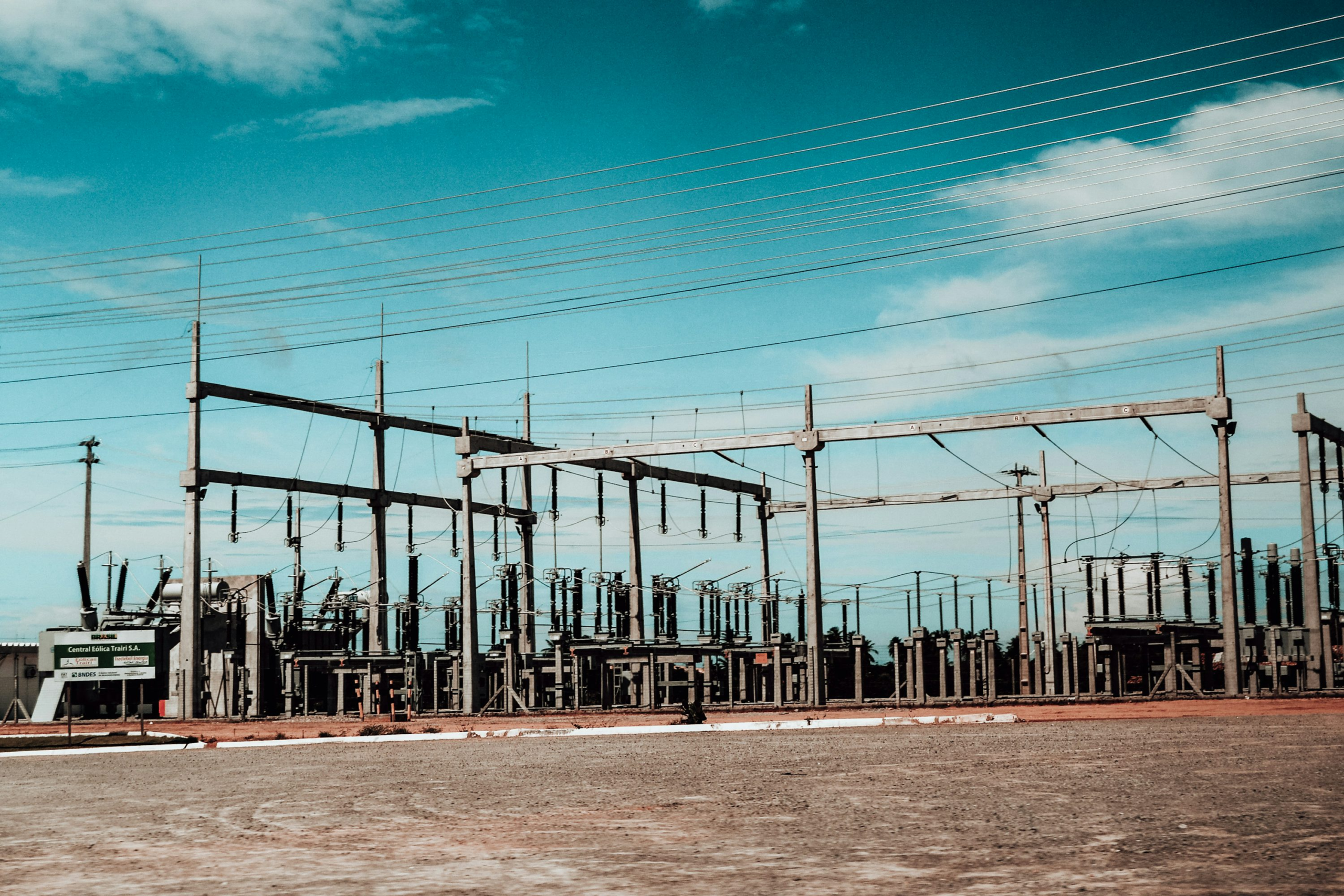
At Uentrop, that process requires engineering work on the substation and associated assets. Depending on the final connection design, high-voltage infrastructure can incorporate transformers, switchgear, protection equipment, metering, control systems, and connections to the developer’s own electrical installation.
These systems must be designed and commissioned before electricity can be supplied under the agreed operating conditions. A construction agreement therefore represents a different development milestone from a fully operational connection.
The parties have agreed that QTS and Blackstone will finance the infrastructure required for the campus. This separates the project’s specific connection investment from the wider network operator’s responsibilities, although the detailed allocation of individual costs has not been published.
Amprion is responsible for one of Germany’s four transmission system operator areas. Its network must accommodate changing demand from industry, transport, heating, and digital infrastructure while supporting the integration of electricity generation and long-distance transmission.
The company is also progressing major transmission developments in the wider Hamm region. These include infrastructure associated with Corridor B, a planned high-voltage direct current connection intended to transfer electricity from northern Germany towards the country’s industrial regions.
Such projects illustrate the broader network investment being undertaken around major electricity demand centres. They should not, however, be interpreted as evidence that a particular renewable generation project has been contracted exclusively to supply QTS.
The electrical needs of a large computing campus extend beyond the grid connection itself. Transformers and distribution equipment must supply the individual buildings, while backup power and uninterruptible power systems must support the facility’s operational requirements.
Cooling infrastructure also draws electricity, meaning the total facility connection requirement can exceed the power used by servers, storage, and networking equipment. Without a published breakdown of the Westfalen design, it is not possible to assign a reliable amount of the proposed electrical supply to IT equipment alone.
The construction timetable will also have to accommodate equipment procurement, network reinforcement, site development, and commissioning. These activities can proceed through separate contractual and regulatory processes, with dependencies between them determining when the facility can become operational.
The parties have not disclosed an indicative connection date or the capacity in megawatts reserved for the campus. The absence of those figures limits any assessment of how much computing equipment could ultimately be installed, or how the proposed development would affect the local grid once operating.
Amprion’s undertaking also sits within a regulated transmission network, meaning the grid works and the customer’s own facility systems will have separate engineering and operational responsibilities. A completed substation connection will deliver electricity to an agreed handover point; the operator must still transform and distribute that supply through equipment capable of serving the buildings and their critical loads.
The proposed investment will also require coordination between electrical construction and the physical development of the site. An early grid programme can limit later delays, but delivery will depend on completion of both the network assets and the campus systems designed to use them. Neither construction sequence nor an expected energisation date has yet been reported.
The agreement establishes the proposed Uentrop connection as a defined element of the Westfalen development. The next stages will determine when the required works are completed and whether the campus progresses through its remaining approvals towards construction and operation.

