
Summary
- Northern Europe Energy has secured exclusive rights to approximately 16 hectares near Riga.
- The proposed campus would be developed in two phases, using different electricity connection voltages.
- Salaspils joins a wider Nordic and Baltic development portfolio encompassing projects in Finland, Estonia, and Latvia.
Northern Europe Energy Group has secured exclusive rights to approximately 16 hectares of land in Salaspils, southeast of Riga, where it plans to develop a data centre campus exceeding 200MW across two development phases.
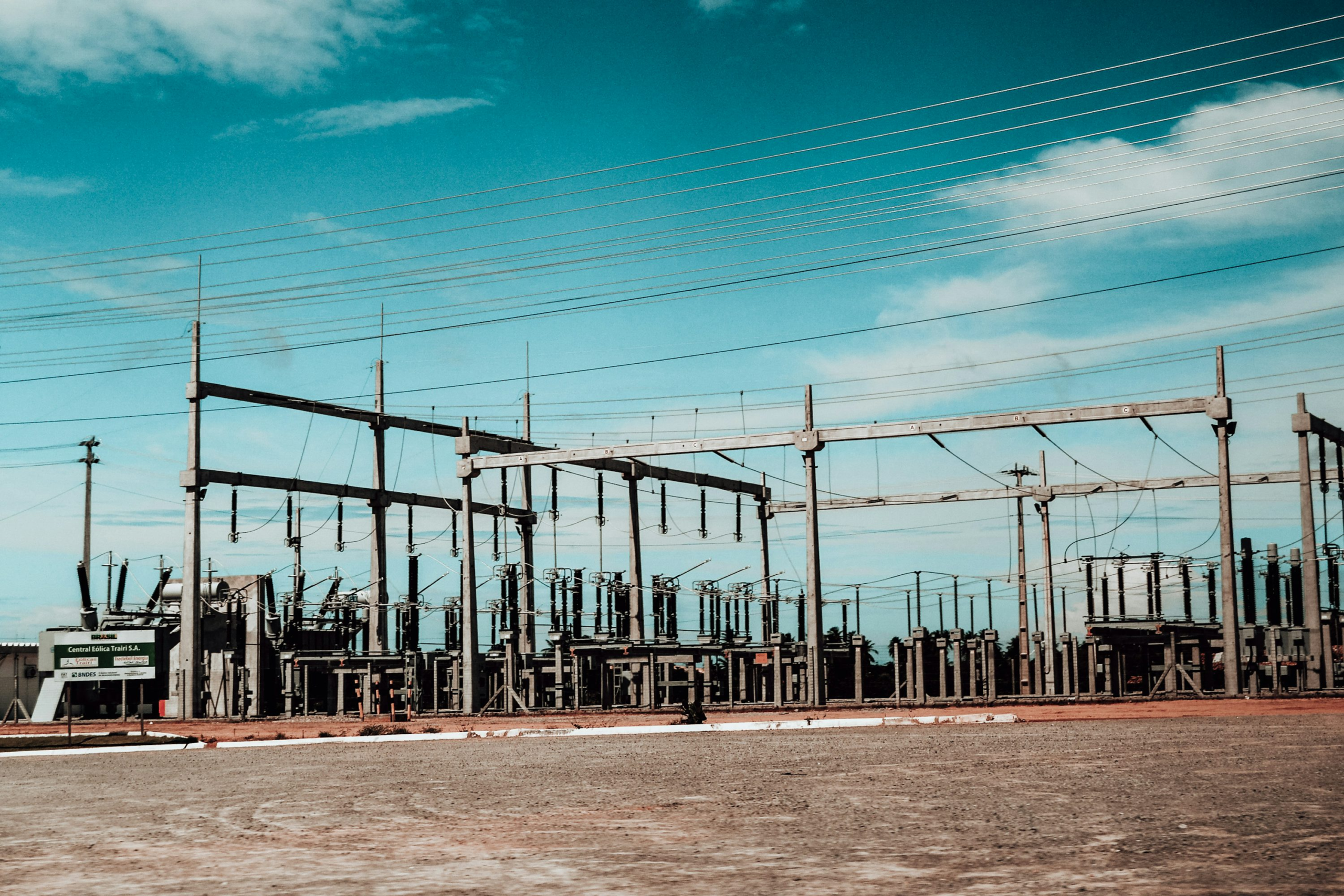
The infrastructure developer intends to supply the first phase through the existing 110kV electricity network before establishing a direct connection to the 330kV transmission lines running alongside the site for the subsequent expansion.
Northern has not disclosed binding electricity connection agreements or individual phase capacities. The development remains at an early planning stage, with further work required alongside the relevant authorities and electricity network operator.
The proposed location is approximately 30 kilometres southeast of Riga, where much of Latvia’s existing commercial computing infrastructure is concentrated. Telecommunications operator Tet also operates a facility in Salaspils.
Northern’s agreement provides exclusive access to the development land while work progresses on the planning, electricity infrastructure, and commercial requirements associated with the campus.
Thor Magnus Rovik, chief executive officer of Northern Europe Energy Group, identified the site’s proximity to high-voltage electricity infrastructure and its potential to support growing demand for computing capacity across the Baltic region as factors behind the selection.
Phased electricity connections
Northern’s proposed connection strategy would allow development to begin using electricity infrastructure operating at 110kV, with expansion subsequently supported by the higher-voltage transmission network.
Delivering electricity at higher voltages can reduce the current required to transfer a given amount of power, influencing cable specifications, electrical losses, and the configuration of connection equipment. A direct transmission connection would nevertheless require dedicated transformation, switching, protection, and metering infrastructure appropriate to the facility’s electrical demand.
Developing those installations would require coordination with the transmission system operator, including assessments of network capacity and the effects of the proposed load on existing electricity infrastructure.
Separating the development into two phases could allow the initial facility to progress while arrangements for the larger connection are being established. The practicality of that approach will depend on the capacity available through the 110kV network and the extent to which equipment installed for the initial development can accommodate future expansion.
The proposed overall capacity exceeds that of several other computing infrastructure developments Northern is pursuing across the region.
Its Latvian portfolio also includes a proposed 120MW development at Liepaja and a 400MW project at Jēkabpils. In Estonia, the company is pursuing a 100MW development at Lihula, alongside projects in the Finnish municipalities of Juva and Riihimäki.
Northern’s own project portfolio identifies Jēkabpils as a former airport development with a target of 400MW of available power by 2029. The site also has secured land and access to 330kV infrastructure, according to the developer. These are separate project milestones and do not establish the timetable or connection capacity available at Salaspils.
Northern’s development strategy encompasses renewable electricity generation, battery storage, hydrogen production, and other industrial projects requiring substantial energy infrastructure. Its computing portfolio consequently sits alongside investments whose commercial feasibility also depends on securing land and suitable electricity connections.
Nordic and Baltic development portfolio
The company signed a separate agreement with the Finnish city of Riihimäki on 16 November, reserving approximately 16 hectares within the Riihimäenportti business area for a phased data centre development.
That agreement establishes arrangements for detailed planning and the potential acquisition or lease of municipal land. Riihimäki is situated approximately 70 kilometres north of Helsinki, within the economic corridor connecting the Finnish capital with Tampere.
Municipal information identifies a preliminary facility design incorporating low-rise buildings and closed-loop cooling, intended to limit the development’s environmental effects and operational water consumption.
Those specifications relate to Riihimäki rather than Salaspils, where Northern has yet to disclose its proposed building configuration or cooling architecture.
The company’s earlier involvement in the Hämeenlinna development in Finland also illustrates its approach to preparing infrastructure opportunities before construction. Northern agreed to transfer its remaining interest in that project to Magnora Data Center during the third quarter.
Progressing land agreements, engineering assessments, and electricity connections can establish commercial value before the substantial investment required to construct and equip a computing facility has been committed.
The availability and contractual status of electricity connections can determine whether prospective infrastructure investors can meet anticipated construction and customer delivery schedules.
Northern’s Salaspils proposal identifies a route towards a large transmission-connected computing campus, although the announced capacity remains a development target. Establishing the first phase’s electricity availability and the terms of the subsequent 330kV connection will determine how the proposed campus can progress from land reservation into construction.

