
Summary
- Forssa granted building permit 061-2026-55 on 23 November for the second QTS data centre building.
- QTS is developing its first Finnish campus across approximately 150 hectares.
- Kreate's groundwork programme began in October and is expected to involve seven months of intensive construction activity.
QTS Data Centers has secured a second building permit for its proposed data centre campus at Forssa, southern Finland, as construction preparations advance across the Blackstone-owned operator’s first Finnish development.
Forssa’s municipal authorities granted building permit 061-2026-55 on 23 November, with the formal decision published the following day. The application was submitted by Green 3 (Finland) Oy for a further data centre building in the Rytökallio area.
The latest approval covers a building reported to occupy approximately 57,500m². It follows the initial construction permit granted on 23 July for a data centre building, electrical substation, and associated service infrastructure.
QTS identifies the wider Forssa campus as a development extending across approximately 150 hectares. Nordic investment services company Brunswick Real Estate is acting as the local development partner for QTS and Blackstone.
The municipality has completed land transactions associated with the development across the Ratasmäki and Rytökallio areas, with the relevant properties designated for industrial use.
Forssa valued the previously disclosed land transactions at approximately €4m, reflecting external assessments of undeveloped industrial land in the area.
Groundworks advance alongside building permits
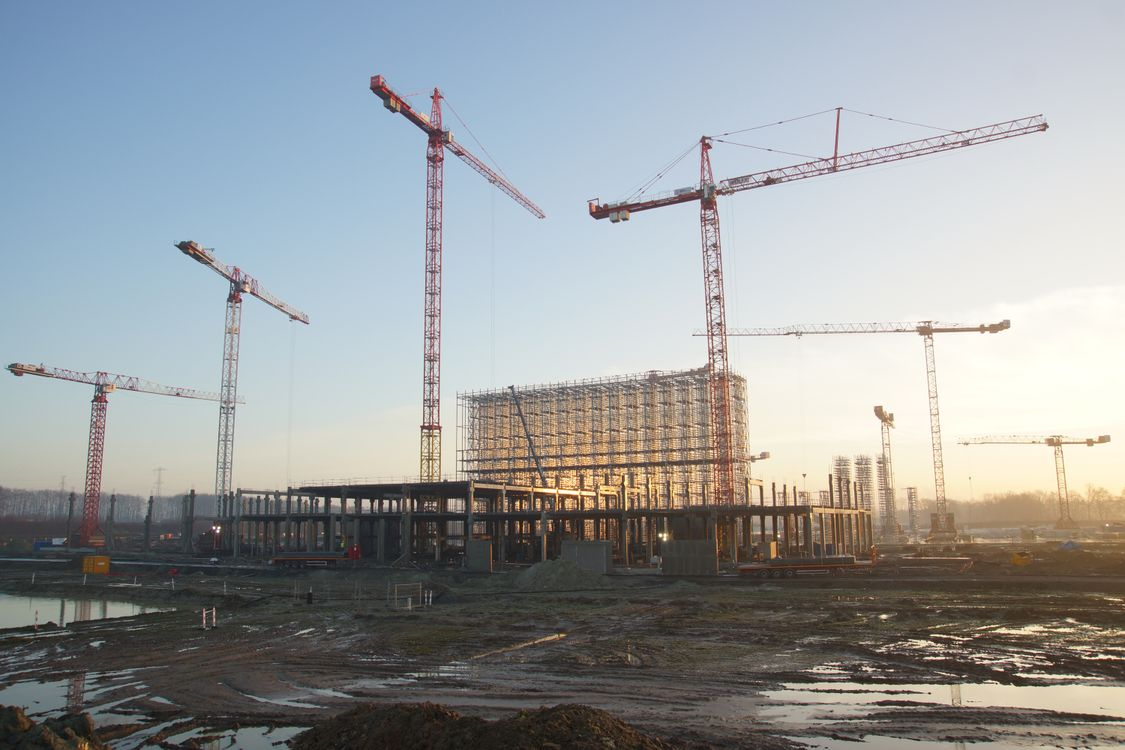
Finnish civil engineering contractor Kreate began groundwork activities at Forssa in October, following an agreement covering site preparation for the wider campus.
The contractor anticipates an intensive construction period of approximately seven months. The scope is expected to involve moving nearly one million cubic metres of earth, reflecting the scale of preparatory work required before the principal buildings and supporting infrastructure can be established.
Large data centre developments require coordinated preparation of building platforms, access routes, drainage, foundations, and underground electrical and telecommunications infrastructure.
The sequencing of those activities can influence how quickly subsequent building packages proceed, particularly where several construction teams require access to the same development area.
QTS’s approach of securing separate building permits allows regulatory decisions concerning individual facilities to progress alongside preparations for the wider campus.
However, the first approval also included a substation and associated service buildings, indicating that electrical infrastructure and other supporting facilities form part of the early development programme.
Substations and common site infrastructure can require investment before all the data centre buildings they are intended to serve have entered construction. Their eventual configuration will influence how subsequent capacity can be accommodated without extensive modification of completed facilities.
The latest building permit advances the physical development of the campus but does not establish when electricity will become available to the second building or how much computing equipment it will ultimately accommodate.
Finnish construction and operational capabilities
QTS has been developing relationships with Finnish contractors and prospective suppliers ahead of the campus’s principal construction activities.
In August, the company held an information session for local businesses covering procurement requirements and participation in international infrastructure supply chains. It has also been working with regional education organisations to develop training opportunities associated with the campus.
Preparing buildings to accommodate computing infrastructure requires specialist electrical and mechanical installation capabilities extending beyond those involved in conventional commercial construction.
Electrical contractors will need to coordinate the installation of transformers, switchgear, backup generation, and uninterrupted power protection with the distribution systems serving individual data halls.
Mechanical installation requires similar coordination between cooling plant, pipework, controls, and the equipment through which heat is removed from computing systems.
Those installations must subsequently undergo testing and commissioning to establish that individual components and complete systems respond appropriately under normal and abnormal operating conditions.
Once buildings enter commercial operation, the workforce requirements shift towards maintenance, facility monitoring, electrical and mechanical servicing, security, and telecommunications support.
Establishing those capabilities locally can support the long-term operation of a large campus, particularly where additional buildings are developed over several years and require continuing specialist engineering support.
The new building approval provides another defined construction milestone for QTS at Forssa. Delivery of the second facility will now depend on the associated construction programme, completion of supporting infrastructure, and the subsequent installation and commissioning of its mechanical and electrical systems.

