
Summary
- Start Campus, Schneider Electric, AVEVA and Nscale have developed an integrated infrastructure simulation pilot.
- The system uses NVIDIA's Omniverse DSX Blueprint to model computing, power and cooling interactions.
- Operational efficiency benefits have not yet been independently quantified.
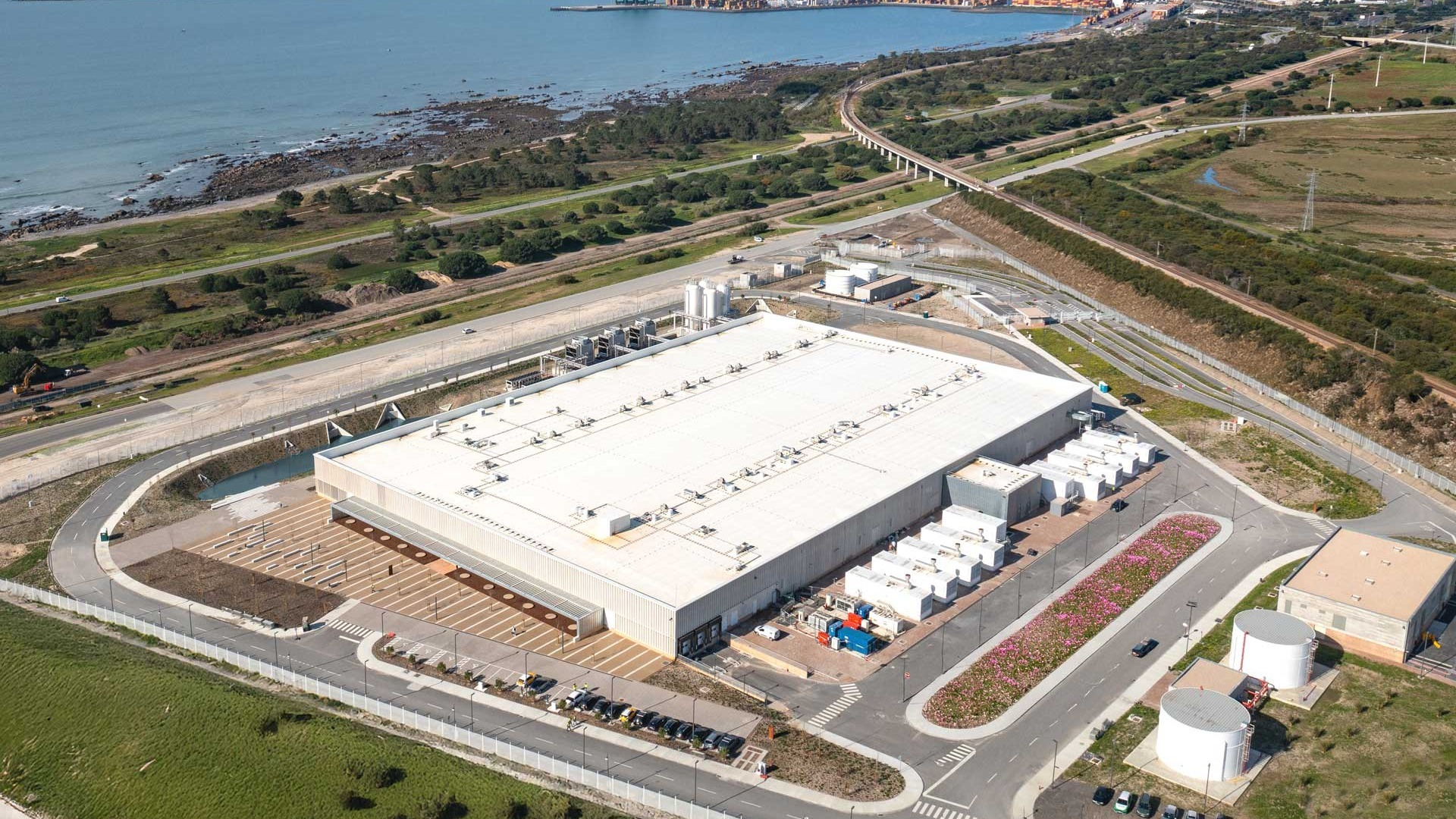
Start Campus has completed a pilot of an integrated digital twin at its SIN01 data centre in Sines, Portugal, connecting computing requirements with models of the facility’s electrical, cooling and operational infrastructure.
The project brings together Start Campus, Schneider Electric, AVEVA and AI infrastructure provider Nscale. It uses the NVIDIA Omniverse DSX Blueprint alongside software and engineering models from Schneider Electric, AVEVA and ETAP.
The companies confirmed the pilot on 21 October, describing an Immersive Twin designed to support the planning and operation of AI computing infrastructure. The system is intended to bring several engineering disciplines into a common simulation environment rather than treating servers, electrical systems and cooling installations as independent designs.
SIN01 is the first operating facility within Start Campus’s proposed 1.2GW SINES Data Campus. That figure describes the wider development ambition and should not be confused with the capacity currently available at SIN01.
The digital twin pilot is intended to support Nscale’s computing activities at Sines. Its practical purpose is to examine the relationship between workloads and the equipment required to operate them, including the way changes in computing demand affect power and cooling systems.
Large AI installations place concentrated loads on electrical distribution infrastructure. The power consumed by computing equipment becomes heat that must be transferred away from the hardware and ultimately rejected outside the building.
These processes are connected physically, but they are often represented through separate engineering tools during design and operation. An integrated model can help identify where changes in one system alter the requirements imposed on another.
For example, a proposed change in server configuration may increase heat production in one part of a data hall. The resulting requirement for cooling capacity must be considered alongside available electrical supply, coolant distribution and the operation of other equipment.
Modelling those relationships before installation gives engineering teams an opportunity to examine competing configurations without immediately modifying physical systems. However, the accuracy of a simulation depends on the quality of the equipment specifications, assumptions and operational measurements incorporated into it.
Schneider Electric’s participation connects electrical and energy infrastructure expertise with the software modelling capabilities of AVEVA and ETAP. The NVIDIA blueprint provides a framework for representing AI infrastructure within the wider simulation.
The companies say their approach could improve deployment efficiency and support decisions about the configuration of computing systems. They have not published independently verified operating results demonstrating a defined reduction in energy consumption, water usage or commissioning time from the Sines pilot.
Predicted improvements should therefore remain separate from measured performance. A successful simulation can identify potential engineering problems, but equipment still requires physical testing, installation, commissioning and ongoing maintenance.
The distinction becomes particularly important where facilities are modified to accommodate successive generations of computing hardware. Higher density racks may demand different coolant flows, electrical distribution arrangements and maintenance procedures from the equipment originally installed.
Digital models that incorporate current operating data could help facilities assess such changes over time, provided the information remains accurate and the modelling techniques are validated against actual behaviour.
Start Campus has already published operating information from SIN01 covering its first year of activity. That provides a separate basis for assessing the facility itself, while the new digital twin initiative concerns how infrastructure models may be used to support future configuration and operating decisions.
The next evidence of the pilot’s effectiveness will be measured comparisons between simulated and actual operating conditions, together with any documented improvements to commissioning, energy efficiency or availability.

