
Summary
- Vertiv has completed its acquisition of King Environmental Services, following the agreement announced in September.
- KES brings specialist flushing, filtration, commissioning, fluid treatment, and load testing capabilities.
- The acquisition extends Vertiv's existing North American fluid management business into EMEA.
Vertiv has completed its acquisition of Irish cooling specialist King Environmental Services (KES), extending its liquid cooling commissioning, fluid management, and testing capabilities across Europe, the Middle East, and Africa.
The transaction, completed on 26 October following an agreement announced in September, brings KES’s engineering and field services into Vertiv’s existing thermal management business. Financial terms have not been disclosed, and Vertiv does not expect the acquisition to have a material effect on its financial results.
Founded in 2002 and headquartered near Dublin, KES provides services including cooling system design reviews, pipework flushing, filtration, water treatment, testing and balancing, thermography, data logging, and thermal and electrical load testing. It serves customers across EMEA through operations including hubs in North Dublin and Frankfurt.
The acquisition follows Vertiv’s purchase of North American fluid management specialist PurgeRite in 2025. Adding KES gives the group established European field engineering capabilities as operators introduce increasingly demanding liquid cooling infrastructure.
Liquid cooling systems require more than correctly specified heat exchangers, pumps, and distribution equipment. Their performance depends on the condition of the fluid circulating through them, the integrity of the pipework, and the ability of the completed installation to deliver its intended flow rates and temperatures.
Construction can introduce contaminants into pipework, while trapped air, incorrect fluid chemistry, and poorly balanced circuits can undermine thermal performance. Such problems may not become apparent until the system is tested under conditions that resemble its intended computing load.
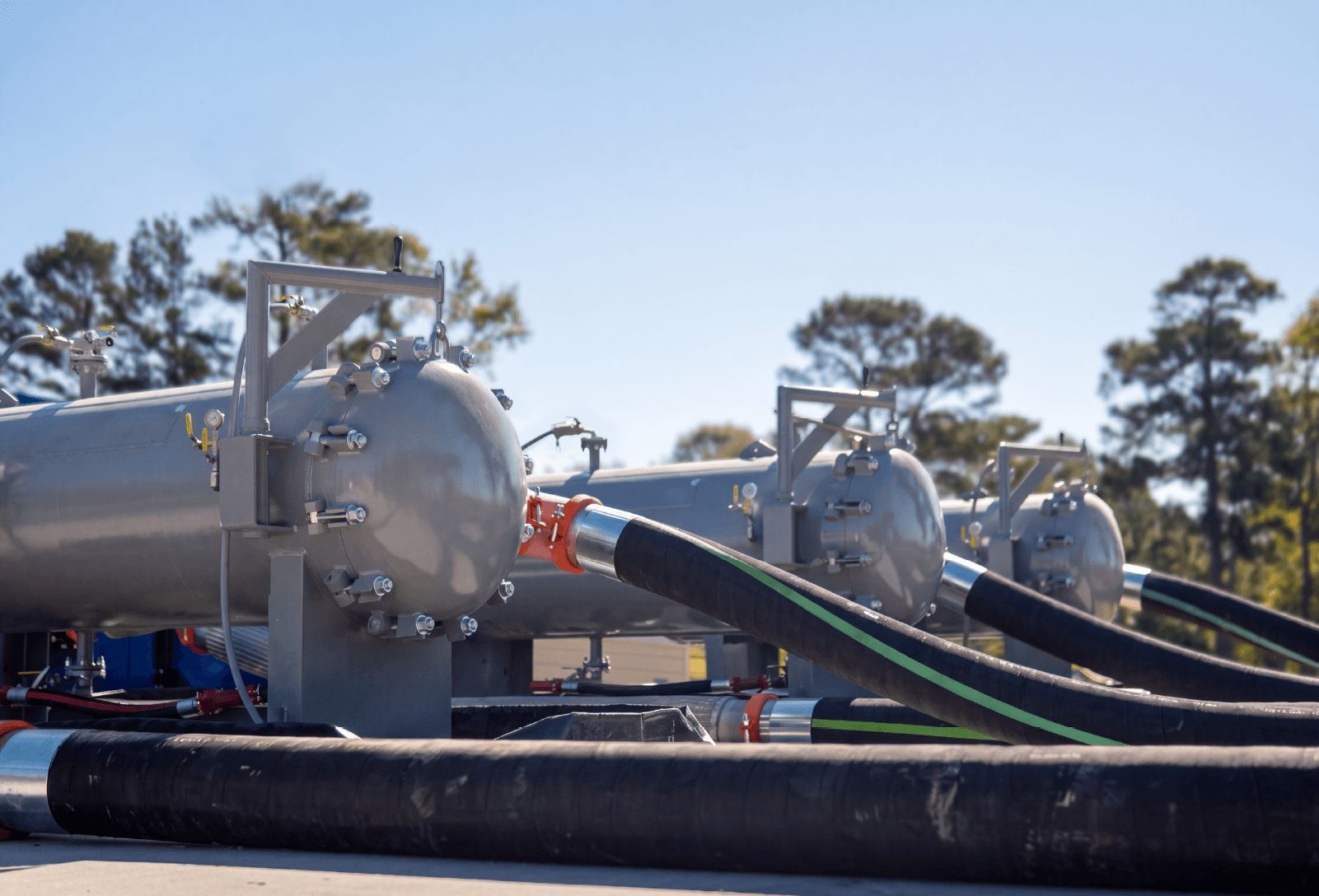
KES specialises in preparing those circuits for operation. Flushing and filtration remove construction debris and contaminants, while testing and balancing establish whether the installed system distributes fluid according to its engineering requirements.
Thermal load testing provides an additional stage of validation. By applying a controlled load before the computing installation enters service, engineers can assess whether the cooling system performs as intended and identify problems that might otherwise emerge during commissioning or early operation.
Those processes become more demanding as computing density increases. Direct liquid cooling introduces fluid circuits closer to heat-producing electronic components, reducing dependence on airflow but also creating additional requirements for fluid quality, leak detection, pressure control, and maintenance.
The operational consequences extend beyond cooling efficiency. A fault affecting coolant circulation may require part of an installation to be isolated, particularly where operators cannot continue running the affected computing equipment without adequate heat removal.
Vertiv intends to combine equipment supply and servicing with commissioning, testing, fluid treatment, and continuing operational support. The company argues that providing these services through one organisation can simplify responsibility for preparing and maintaining cooling installations.
That integration does not eliminate the need for clear contractual boundaries. Operators must still establish which organisation is responsible for equipment warranties, fluid specifications, acceptance testing, remedial work, and ongoing maintenance.
European regulatory requirements add further considerations, particularly around the handling, treatment, and disposal of cooling fluids. The appropriate procedures depend on the substances used and the installation’s operating arrangements.
As more facilities move towards liquid cooling, engineering services that were previously associated with specialist installations are becoming part of mainstream data centre delivery. Commissioning capability, test equipment, trained personnel, and maintenance arrangements must develop alongside the hardware.
KES gives Vertiv an established regional workforce and service organisation addressing those requirements. The company has not disclosed the acquisition price, expected revenue contribution, or specific customer installations resulting from the combination.

